The government’s recent GST reform is being hailed as one of the most impactful tax changes for India’s real estate sector. By reducing GST rates on cement and other construction materials, the cost of building homes is set to decline significantly. This move comes at a crucial time when the country is focusing on affordable housing, urban development, and infrastructure expansion.
📉 GST Cuts on Cement and Building Materials
One of the biggest highlights of the reform is the reduction of GST on cement from 28% to 18%, along with cuts on other construction essentials like steel, tiles, and sanitaryware.
✅ GST Rate Comparison Table
Material
Old GST Rate
New GST Rate
Impact
Cement
28%
18%
Saves ~₹30 per bag, reduces housing cost by 2–3%
Steel & Iron Products
18%
5%
Big cost reduction for structural works
Tiles & Sanitaryware
18%
5%
Affordable finishes for middle-income housing
Paints & Coatings
18%
5%
Brings down interior finishing cost
Overall Construction
—
—
Estimated 2–4% fall in total home cost
🏗️ Impact on Affordable Housing
The affordable housing segment is expected to be the biggest beneficiary:
🏘️ Lower raw material costs mean reduced construction expenses.
📉 Developers can cut home prices by 2–4%, making projects more attractive.
⏳ Faster project rollouts, as builders can manage budgets better.
🎉 Increased demand during festive seasons due to higher affordability.
📊 How GST Cuts Help Buyers
Benefit for Buyers
Explanation
Lower Home Prices
Reduced material costs allow developers to pass savings.
More Project Launches
Developers will revive stalled or new projects.
Affordable Financing
Combined with cheaper housing, EMIs become easier.
Improved Housing Supply
Increased activity in affordable housing sector.
🔑 Benefits for Developers
Improved profit margins or ability to pass benefits to buyers.
Stronger sales velocity due to better affordability.
Enhanced confidence among investors and lenders.
Opportunity to expand in tier-2 and tier-3 cities where demand is growing.
🌍 Wider Economic Impact
The GST cuts are expected to:
Boost cement and steel demand, strengthening manufacturing.
Revive real estate and allied industries like paints, fittings, tiles.
Generate more jobs in construction, which is India’s second-largest employer.
Support the government’s “Housing for All” and infrastructure development goals.
🎯 Final Thoughts
The GST cuts on cement and construction materials are more than just tax changes—they could be a game-changer for India’s housing market. By reducing costs, boosting affordability, and reviving stalled projects, this reform is poised to give a much-needed push to the affordable housing segment.
With festive demand around the corner, buyers can expect better deals, lower prices, and more housing options—making now the perfect time to invest in a new home.
Looking for budget-friendly gadgets that improve your lifestyle, enhance security, and boost productivity? We’ve curated a list of must-have everyday gadgets you can buy online right now. These products are affordable, practical, and perfect for home, office, and travel.
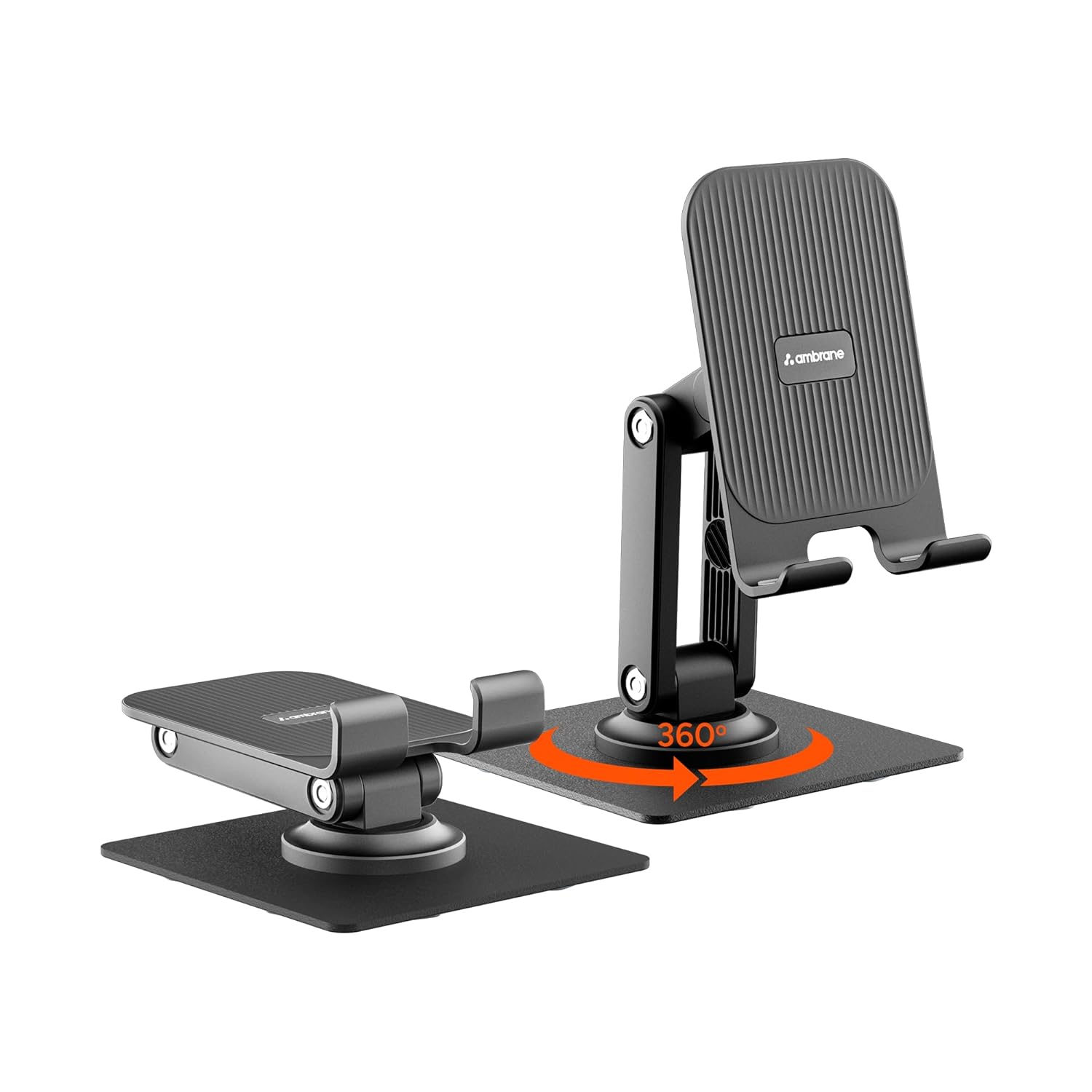
Enjoy hands-free convenience with this sturdy Ambrane 360° mobile stand.
✅ Key Benefits:
360° rotation and multiple angle adjustments.
Strong metallic round base for stable support.
Compatible with smartphones, tablets, Kindles & iPads.
Perfect for online classes, video calls, and binge-watching.
📊 Quick Comparison Table
Gadget
Best For
Key Feature
Price Range
Door Alarm Pad Lock
Home & Bike Security
110 dB Alarm Siren
Budget-Friendly
DIGILIO USB Mini Light
Night Lighting
Portable USB Plug-in
Very Affordable
QUINZE 10-in-1 Toolkit
Office/Study
Multipurpose Tools
Low-Cost Essential
One94Store Motion Sensor Light
Home Safety
USB Rechargeable
Value Pack
Colgate Sonic Toothbrush
Oral Hygiene
5x Plaque Removal
Mid-Range
Ambrane 360° Mobile Stand
Productivity & Entertainment
Adjustable Angles
Budget-Friendly
✨ Final Thoughts
These affordable gadgets are not just products—they are solutions to everyday problems. Whether it’s home safety, personal hygiene, lighting, or productivity, each item adds value to your daily routine without breaking the bank.
👉 Grab these deals today and make your life smarter, safer, and more convenient!
Realme has just unveiled a smartphone concept that could redefine expectations around mobile battery life—the 15,000 mAh battery phone, a device capable of lasting up to five days on a single charge while still maintaining a slim profile. It’s a glimpse into a future where smartphones may serve as portable power stations rather than just communication tools.
What Makes This Concept Stand Out
Massive Battery Capacity The phone houses a colossal 15,000 mAh battery, more than double the size of typical flagship batteries (often between 5,000–7,000 mAh).
Ultra-Slim Design Despite its capacity, the phone is just 8.89 mm thick, thanks to innovations in silicon-based anode technology and compact internal architecture.
Impressive Endurance
Up to 5 days of regular usage
50 hours of video playback
30 hours of gaming
18 hours of continuous video recording
Up to 3 months standby in airplane mode
Reverse Charging Capability The device can act as a power bank, providing reverse charging for other gadgets.
High-Energy Battery Chemistry It uses a 100% silicon-content anode, achieving a lead battery energy density of around 1,200 Wh/L—one of the highest ever seen in smartphones.
Core Specifications FeatureSpecificationDisplay6.7″ screenProcessorMediaTek Dimensity 7300RAM12 GBStorage256 GBOSLikely Realme UI 6.0 on Android 15Charging80 W SuperVOOC (expected)
Why This Matters
Redefining Battery Expectations This concept addresses “battery anxiety” by potentially delivering multi-day endurance in a single device.
Practical and Additional Use Cases With reverse charging, the phone doubles as a portable charger—ideal for travelers or on-the-go users.
Design Innovation Achieving this battery size without compromising design showcases next-gen battery and component engineering.
What’s Next?
At this stage, the 15,000 mAh phone remains a concept device—a showcase of Realme’s R&D capabilities. The likelihood of mass production is currently low. However, similar 10,000 mAh models are expected to reach the market by 2026, pushing battery technology forward.
For now, it sets a bold vision for what future smartphones might offer: power that lasts, without bulking up the device.
BSNL is rolling out an exciting new wave of broadband offers that deliver unbeatable value—free first-month service, hefty discounts for initial months, and even ultra-speed plans with OTT benefits included. Whether you’re testing BSNL for the first time or looking to upgrade, now’s a great time to explore.
What’s on Offer: Free Month + Discounts
Free First Month + Extra Savings
BSNL now offers one month of completely free service for new Bharat Fiber (FTTH) customers on select entry-level plans.
After that, enjoy a discount on plan prices for the next three months—Rs. 50 off per month on one plan and Rs. 100 off on the other.
Latest Broadband Plans at a Glance
Plan Name
Original Price (₹)
Discount per Month (₹)
Effective Price (₹)
Free First Month?
Availability
Fibre Basic Neo (50 Mbps)
449
50
399 (for 3 months)
Yes
New Customers
Fibre Basic (60 Mbps)
499
100
399 (for 3 months)
Yes
New Customers
Fibre Ruby OTT (1 Gbps)
4799
1000
3799
Not specified
Limited Areas
Home WiFi / Ghar Ka WiFi
399
—
399
No
Rural + Urban (some circles)
High-Speed 5TB Plan
999
—
999
No (new launch)
Varies
Highlighted Offers & Use Cases
Entry-Level FTTH Plans
New users signing up for Fibre Basic Neo or Fibre Basic get:
1st Month: Free
Next 3 Months: Pay just ₹399/month
Full unlimited data and calls; speed caps start post-FUP.
High-Speed OTT-Focused Plan
For power users and enterprise environments:
1 Gbps speed
Includes OTT subscriptions to platforms like Disney+ Hotstar, SonyLIV, Zee5, and more.
Discounted to ₹3,799/month under a promotional price drop.
Home WiFi / Ghar Ka WiFi (Rural + Selected Urban)
Built for affordability at ₹399/month
Speeds up to 30 Mbps (capped after a data limit), plus unlimited voice calls.
Includes cashback for some payment schemes—cost-effective broadband for budget-conscious users.
Ultra Value Plan (5TB at ₹999)
5,000 GB data, unlimited calling, and OTT access
Great for heavy streaming or multi-device households.
Why These Offers Matter
Affordability Meets Performance: With these discounts, BSNL is making home broadband more accessible—especially for new segments like students, budget families, and rural users.
Digital Inclusion: The ₹399 WiFi plan helps bridge the digital divide in semi-urban and rural areas.
Entertainment-Ready: Bundling OTT services with high-speed plans enhances value for entertainment seekers.
Competitive Edge: These offers position BSNL strongly against private rivals like Jio and Airtel.
Final Thoughts
BSNL’s latest broadband offers—including free first month, significant early discounts, and high-speed OTT bundles—show a strong push to attract and retain customers.
Whether you’re seeking low-cost, reliable connectivity or premium, high-performance internet for streaming and work, there’s a BSNL plan tailored for you.
Reliance Jio has officially announced its next major innovation in wearable technology – Jio Glass (branded as JioFrames). These AI-powered smart glasses are designed to change how people interact with technology, making digital experiences more immersive, intelligent, and hands-free.
With India being a highly diverse market, Jio has strategically built these glasses to cater not only to tech-savvy urban users but also to a broader audience by integrating AI and multiple Indian languages into the system.
Key Highlights of Jio Glass
AI-Powered Eyewear – Smart voice-enabled glasses with live translation, calling, and media features.
Lifestyle Integration – Fitness tracking, reminders, and personal productivity tools.
Designed for India – Local language support ensures accessibility beyond English.
Next-Gen Connectivity – Works seamlessly with smartphones, Jio networks, and IoT devices.
Features & Specifications of Jio Glass
Here’s a detailed look at what Jio Glass offers:
Feature
Description
AI Voice Assistant
Allows hands-free calling, messaging, and navigation through voice commands.
Real-Time Translation
Instantly translates signs, menus, and live conversations across multiple languages.
Photo & Video Capture
In-built camera for HD photos, short videos, and live streaming.
Entertainment Ready
Stream music, watch content, or attend virtual events without using a phone.
Fitness & Wellness
Tracks steps, calories, posture, and can send timely wellness reminders.
Education & Learning
Supports live reading, e-learning material, and AI-based learning assistance.
Design
Lightweight, stylish frame with premium build for daily wear.
Why Jio Glass is a Game-Changer for India
Affordable Innovation – Jio has a history of making premium tech affordable in India (like Jio SIM and JioFiber).
Focus on Small Towns & Rural Users – By adding multi-language AI, Jio Glass bridges the digital gap between urban and rural India.
Business & Education Use – Perfect for virtual meetings, remote learning, and hands-free productivity.
Entertainment Hub – With JioCinema, JioTV, and other apps, the glasses could redefine entertainment on-the-go.
Potential Use Cases
Category
How Jio Glass Helps
Students
Access e-learning content, real-time translation, and immersive study experiences.
Professionals
Join meetings, share presentations, and stay productive without laptops or phones.
Travelers
Get instant translations, navigation help, and capture memories on the move.
Fitness Users
Track workouts, receive AI coaching, and maintain health goals hands-free.
Entertainment
Stream OTT, listen to music, or enjoy AR/VR-style immersive experiences.
Jio Glass vs. Global Smart Eyewear
Reliance Jio is entering a space currently dominated by Meta’s Ray-Ban Smart Glasses and other tech giants. However, Jio’s biggest edge is its localization and affordability. While global products often remain niche and expensive, Jio’s model is designed for mass adoption in India.
Aspect
Jio Glass
Global Competitors
Price
Expected affordable (TBA)
High (₹25,000 – ₹80,000+)
Language Support
Indian languages + English
Mostly English + limited support
Target Market
Urban + Rural India
Mainly urban and premium consumers
Integration
Jio apps, JioFiber, 5G
Limited to brand-specific ecosystems
Final Thoughts
The launch of Jio Glass (JioFrames) marks a bold move by Reliance Jio into the future of AI wearables. By combining affordability, AI-driven features, and multilingual accessibility, Jio Glass has the potential to become not just a luxury gadget but an everyday essential for millions of Indians.
From education and business to fitness and entertainment, this innovation is set to redefine how Indians experience technology in their daily lives.
👉 Jio is once again proving that it’s not just building products—it’s building the digital future of India.
After years of testing gaming laptops, I finally got my hands on the MSI Raider 18 powered by the monstrous NVIDIA GeForce RTX 5090 with 24GB GDDR7 VRAM. Priced at around ₹4,98,997 (after discounts), this machine isn’t just a laptop—it’s a full-fledged gaming powerhouse.
When I first unboxed it, I knew immediately this wasn’t going to be an ordinary experience. From the sheer build quality to the lightning-fast performance, this laptop has redefined what I thought was possible in portable gaming.
The first thing I noticed was its bold, futuristic design.
At 3.6 kg, it’s hefty but feels solid—like a portable desktop replacement.
The Core Black finish with customizable RGB accents gives it a premium gamer vibe.
Specifications
Category
Details
Processor
Intel Series 2 Core Ultra 9 285HX
GPU
NVIDIA GeForce RTX 5090 (24GB GDDR7)
Display
18-inch UHD+ (3840 x 2400) 120Hz
RAM
64GB DDR5
Storage
4TB NVMe SSD
Weight
3.6 kg
OS
Windows 11 Home
Competitive Processors
Compared to AMD Ryzen 9 HX and even Intel’s earlier 13th-gen i9 processors, the Core Ultra 9 285HX outpaces them in multi-threading and AI workloads. It’s built for future-proof gaming and productivity.
Performance & Benchmarks
From my tests:
Cinebench R23: Consistently at the top, surpassing most high-end desktops.
3DMark Time Spy: Dominated with insane GPU scores thanks to the RTX 5090.
Everyday tasks? It laughed at them—rendering, editing, multitasking—everything felt instantaneous.
Game Test
Here’s how it performed with ultra settings at UHD+:
Game
Avg FPS
Cyberpunk 2077 (RT Overdrive)
120 FPS
GTA VI (Preview Build)
135 FPS
Call of Duty Warzone 2.0
200 FPS
Red Dead Redemption 2
160 FPS
Valorant (Competitive)
400+ FPS
The RTX 5090 eats through ray tracing like it’s nothing. Even with maxed-out visuals, gameplay was smooth and cinematic.
Ports
Full-sized HDMI
USB-C with Thunderbolt
USB-A ports for accessories
Ethernet for lag-free online play
SD Card reader
Plenty of connectivity for gamers and creators.
Keyboard & Trackpad
The SteelSeries per-key RGB keyboard feels mechanical and satisfying.
The trackpad is large, responsive, and perfect for productivity (though for gaming, I still prefer a mouse).
RGB
This is where the Raider 18 shines—literally.
Customizable per-key RGB plus a bold front RGB light bar.
Synced effects while gaming look insane in a dark room.
Display
UHD+ resolution makes every detail pop.
120Hz refresh rate is smooth for fast-paced titles.
HDR support enhances visuals in games and Netflix alike.
Webcam & Speakers
Webcam: 1080p quality, sharp for streaming.
Speakers: Loud, clear, with noticeable bass—though I still preferred headphones for gaming immersion.
Battery Backup
Let’s be honest: with specs like these, it’s not a battery champ.
Around 2–3 hours for normal use.
Gaming drains it fast, so you’ll want it plugged in most of the time.
Conclusion
After weeks of gaming and creating on the MSI Raider 18, I can confidently say this is the best gaming laptop in India right now. At nearly ₹5 lakh, it’s a serious investment, but for those who want uncompromised performance, future-proof hardware, and the thrill of carrying a desktop-class powerhouse in a laptop shell, this is it.
This laptop didn’t just impress me—it blew me away. Gaming feels smoother than ever, and productivity is seamless. If budget isn’t a barrier, the Raider 18 is pure luxury gaming on the go.
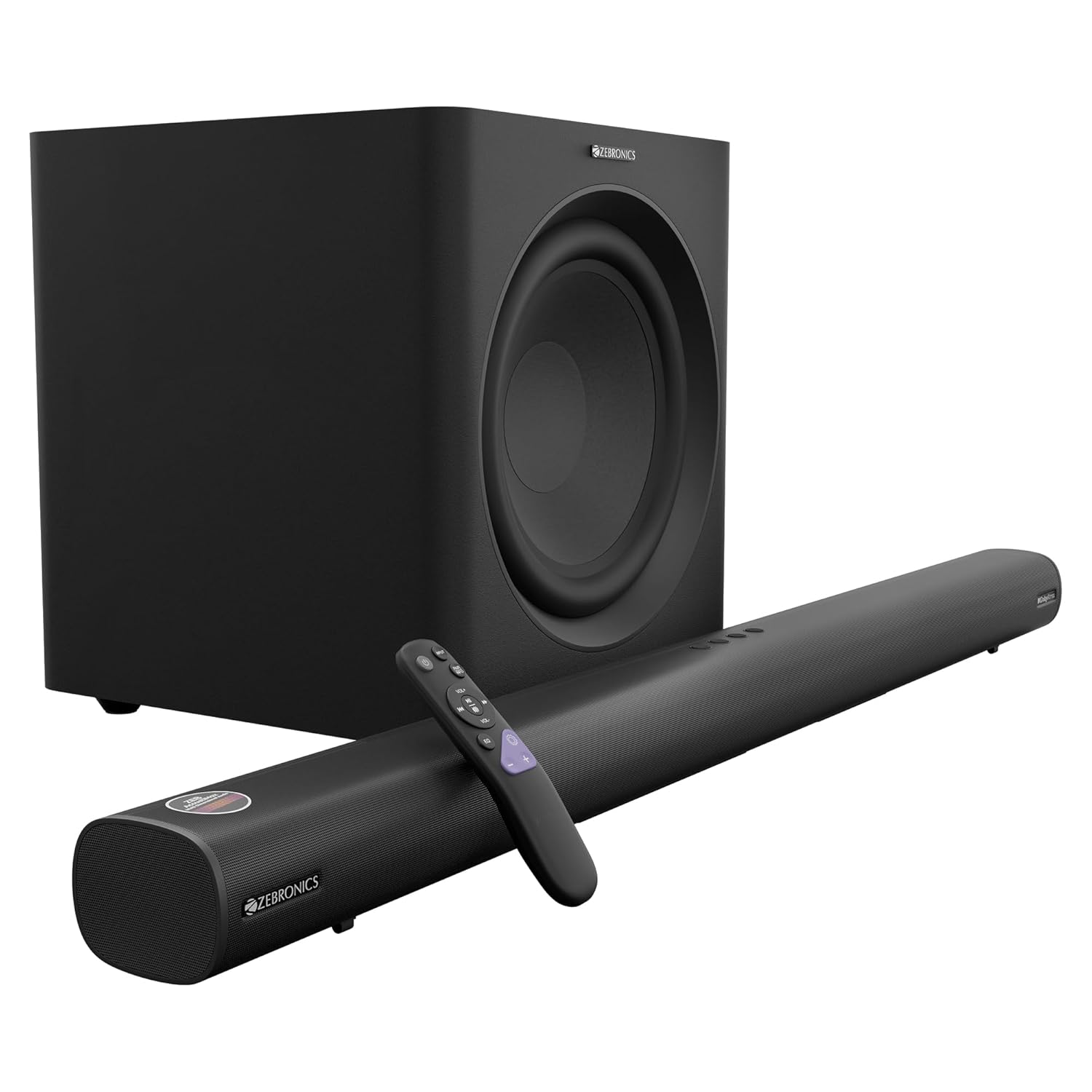
If you’re looking for a premium cinematic sound experience at home without spending a fortune, the Zebronics Juke Bar 9920 could be the perfect choice. With 7.1.2 channel Dolby Atmos support, a 12-inch wireless subwoofer, and AcoustiMax Audio Technology, this soundbar is designed to transform your living room into a mini-theatre.
Priced at just ₹32,999 (63% off MRP) and available with easy EMI options starting at ₹1,592/month on SBI Credit Card, this deal is hard to ignore.
Perfect for movies—dialogues are crisp, and sound effects feel three-dimensional.
The AcoustiMax technology balances bass and treble for clarity at all volumes.
Modes
Movie Mode: Cinematic surround experience with deep bass.
Music Mode: Balanced vocals with punchy beats.
Gaming Mode: Latency-free sound optimized for real-time gaming.
News Mode: Emphasis on clear voice output.
Custom EQ: Set audio to your personal preference.
Gaming Experience
Paired with a console or PC, the Juke Bar 9920 gives a truly immersive gaming feel. Explosions, footsteps, and background effects are positioned clearly in space, making it ideal for FPS and action games. The low-latency response ensures sound syncs perfectly with visuals.
Music Samples
Tested with Bollywood, EDM, and classical tracks:
EDM: Subwoofer delivers thumping bass without distortion.
Classical: Instruments sound rich and detailed.
Bollywood Vocals: Clear separation of vocals and instruments.
Conclusion
The Zebronics Juke Bar 9920 is one of the best premium soundbars available in India under ₹35,000. It combines powerful sound, sleek design, and advanced Dolby Atmos support, making it ideal for movies, gaming, and music. With flexible EMI plans and a massive discount, it’s a value-for-money home theatre upgrade.
The U.S. decision to impose 50% tariffs on Indian goods has raised concerns for exporters and industries dependent on global markets. However, Indian companies are demonstrating resilience by pivoting their strategies inward—focusing on small towns and villages to drive growth. This rural-centric approach is not merely a temporary defense but a long-term strategy to tap into India’s rising domestic consumption.
Why Rural India Matters in the Current Scenario
Consumption Growth – For six consecutive quarters, rural demand has outpaced urban demand, thanks to strong agricultural performance, better wages, and controlled inflation.
Tariff Insulation – Unlike export-dependent urban sectors, rural markets thrive on domestic consumption, making them less vulnerable to external trade shocks.
Untapped Potential – With a majority of India’s population residing outside metro cities, the opportunity to expand is massive.
Rural vs. Urban Market Dynamics
Factor
Rural India (Small Towns/Villages)
Urban India (Metro Cities)
Consumption Growth
Consistently stronger for 6+ quarters
Sluggish and volatile recovery
Exposure to U.S. Tariffs
Minimal, driven by domestic demand
High, dependent on export-linked goods
Expansion Strategies
Retail penetration, mobile vans, service centers
E-commerce, tech-based models
Investor Confidence
Rising, seen as a safe growth engine
Cautious, volatile market conditions
Companies Leading the Rural Push
Pidilite Industries: Expanding into towns with populations under 12,000 through branded outlets, waterproofing centers, and mobile service vans.
Britannia: Strengthening its distribution network in villages, capitalizing on growing demand for affordable packaged foods.
Archian Foods: Innovating with specialized “chill boxes” to store and sell beverages in areas with limited refrigeration facilities.
These moves are not just cushioning against U.S. tariffs but also laying the foundation for sustainable growth in untapped territories.
Policy Support & Economic Strength
Tax Reductions: Recent GST rate cuts on consumer goods are boosting rural purchasing power.
Government Schemes: Exporters are being given policy-level support while domestic producers are encouraged to focus inward.
Diversification of Exports: India is also looking at Latin America, Africa, Southeast Asia, and Europe to diversify trade routes and reduce reliance on the U.S. market.
Rural Growth Driving the Economy
India’s economy recorded 7.8% GDP growth in April–June, despite tariff pressures from the U.S. Much of this resilience came from private consumption and rural expansion, proving that India’s internal demand remains a formidable growth engine.
Conclusion
By shifting focus to rural and small-town markets, Indian companies are not only shielding themselves from Trump’s tariff shocks but also unlocking new engines of growth. With strong consumer demand, supportive policies, and innovative distribution strategies, rural India has become the bedrock of economic resilience.
As global trade remains uncertain, India’s story highlights how turning inward can sometimes be the most powerful way to move forward.
The Goods and Services Tax (GST) Council has approved a major restructuring of GST rates in India, making the system simpler and more consumer-friendly. From 22nd September 2025, the new GST rates will officially come into effect. This is one of the biggest tax reforms since GST was first implemented in 2017.
In this article, we will cover:
Latest GST changes
Complete GST rate list 2025
Items that became cheaper or costlier
Effective date of implementation
Impact on consumers and businesses
✅ Key Highlights of the New GST Rates 2025
Simplified Structure – Old four slabs (5%, 12%, 18%, 28%) are now reduced to two main slabs – 5% and 18%.
New 40% Slab – A special category introduced for luxury and sin goods like tobacco, premium cars, and carbonated drinks.
0% GST on Essentials – Daily life essentials like milk, bread, medicines, and insurance are now tax-free.
Boost to Middle Class – Items of daily use, small cars, and electronics will now attract lower taxes.
Higher Tax on Luxury & Sin Goods – To balance revenue, premium items and harmful goods will attract 40% GST.
📌 Complete GST Rate List 2025 (Effective from 22nd September)
Category
Previous GST Rate(s)
New GST Rate
Remarks
Ultra-essentials (milk, paneer, bread, medicines, life & health insurance)
Luxury items like high-end watches, jewelry, and premium lifestyle goods
📅 Effective Date of New GST Rates
The revised GST structure will be effective from 22nd September 2025 across India. Businesses are required to update billing software and compliance systems before this date.
🔎 Why Was This Change Made?
To simplify GST slabs and reduce complexity.
To boost consumption and economic growth by lowering taxes on essential and middle-class goods.
To generate higher revenue from luxury and sin goods instead of burdening the common man.
To make compliance easier for businesses with fewer tax categories.
📊 Impact of New GST Rates
Consumers – Will see lower prices on day-to-day goods and electronics.
Businesses – Simplified billing, easier filing, and increased demand.
Government – Balanced revenue collection by taxing luxury and sin goods higher.
Economy – Increased consumption expected, helping in growth and job creation.
📝 Conclusion
The new GST rates in India (effective from 22nd September 2025) mark a historic shift in tax policy. Essentials and middle-class goods have become cheaper, while luxury and sin items are taxed more. This balanced approach will likely spur consumption, reduce inflationary pressure, and simplify compliance for businesses.
If you are a consumer, expect relief in your monthly expenses. If you are a business owner, ensure your systems are updated with the new GST slabs (0%, 5%, 18%, 40%) before the deadline.
Apple’s iPhones always create a buzz, but with the iPhone 16, the excitement feels justified. After personally using the 128 GB Black variant for the last two months, I can confidently say—it’s not just another upgrade, it’s one of the most balanced iPhones Apple has ever made.
If you’re considering whether this is the right time to switch or upgrade, let me walk you through my personal experience.
Coming from the previous-gen iPhone, the A18 chip is blazing fast. Everyday tasks—messaging, browsing, multitasking—feel super smooth, but the real magic is with gaming and video editing.
I played Genshin Impact and Call of Duty Mobile on max settings without a hint of lag.
Video exports from iMovie are much quicker compared to my older iPhone.
Even after 2 months, I haven’t noticed any overheating issues during heavy use.
It’s not just raw speed—the A18 feels optimized for battery + performance balance, something I’ll explain next.
🔋 Battery Life – Finally, a Big Boost!
This is one of the best upgrades in the iPhone 16. Apple has clearly listened to users.
On normal use (calls, social media, music, some photos), the phone easily lasts a day and a half.
With heavy usage (YouTube, gaming, 5G data), I still get through the day without desperately hunting for a charger.
Standby time is amazing—I left it overnight with 80% battery, woke up with 79%!
Compared to my older iPhone, this feels like a giant leap forward in battery performance.
📸 Camera Control – A Photographer’s Dream
Apple has introduced a new Camera Control button, and as someone who loves photography, this feature feels revolutionary.
You can half-press to focus, full press to capture—just like a DSLR.
Shooting videos feels much smoother and professional with this added control.
Low-light photos are noticeably sharper and colors look more natural.
For me, this makes the iPhone 16’s camera system feel less like a phone and more like a pocket professional camera.
🎧 Ecosystem Magic – Works Perfectly with AirPods
I use my AirPods daily, and the seamless connection with the iPhone 16 is flawless. The spatial audio in movies and music feels immersive, and the auto-switching between devices (MacBook, iPad, iPhone) is smoother than before.
If you’re already in the Apple ecosystem, this phone feels like a natural extension of your setup.
🖤 Design – Classy Yet Familiar
The Black iPhone 16 looks stunning—sleek, minimalist, and premium. Apple hasn’t reinvented the wheel here, but the subtle refinements make it comfortable to hold and stylish to flaunt.
✅ Pros and Cons After 2 Months
Pros
⚡ A18 chip = super fast and efficient
🔋 Much better battery life than older iPhones
📸 Camera Control button = DSLR-like experience
🎧 Works seamlessly with AirPods and Apple ecosystem
🖤 Premium design and build quality
Cons
💰 Price is still on the higher side
🔌 No charger in the box (only cable)
⚖️ Slightly heavier compared to older models
🏆 Final Verdict – Is iPhone 16 Worth It?
After using it daily for two months, I can say the iPhone 16 (128 GB) is one of the most complete iPhones Apple has launched in recent years. The battery upgrade, camera control, and the raw power of the A18 chip make it perfect for both professionals and everyday users.
Yes, it’s expensive, but if you’re already in the Apple ecosystem—or simply want a future-proof 5G smartphone with the best balance of performance and reliability—this is the one to go for.
When it comes to mobile networks in India, two names dominate the space: Airtel and Reliance Jio. Both are pioneers in bringing affordable 4G and now 5G connectivity to millions of Indians. But as customers, many of us face challenges with their plans, network coverage, and overall service quality.
After using both operators for a long time, here’s a clear breakdown of the real problems and differences between Airtel and Jio in 2025.
1. Network Coverage – 4G vs 5G Reality
Airtel: Stronger 4G coverage in urban areas, decent in semi-urban, but struggles in some villages. 5G rollout is good in metros but patchy in smaller towns.
Jio: Widest 4G network across India. 5G is available in more cities, but the speed fluctuates a lot—sometimes slower than Airtel’s 4G.
👉 User Problem: Even with 5G, many users complain they stick to 4G because 5G drains battery faster and isn’t consistent yet.
2. Recharge Plans – Affordable or Expensive?
Jio: Known for cheaper plans in the beginning. But in 2025, Jio’s plans have gone up—especially long-validity ones. Data is still affordable, but OTT (like Disney+ Hotstar) now comes only with premium packs.
Airtel: Slightly more expensive than Jio, but offers better postpaid benefits (Netflix, Amazon Prime). Prepaid customers, however, feel the pinch with higher minimum recharge.
👉 User Problem: Even the lowest recharge is now ₹155+ for 28 days, which is tough for low-income users who only want calls and basic data.
3. Call Quality & Internet Speed
Airtel: Better voice clarity and fewer call drops in most cities. Internet speed is stable but sometimes slower than Jio’s in high-demand areas.
Jio: Faster internet in metros, but in crowded places speeds drop drastically. Call drops are still a concern in some regions.
👉 User Problem: No operator is perfect. You might get great speed at one location and poor speed just 2 km away.
4. Customer Service
Airtel: Customer care is decent, but resolving network issues takes time. The Airtel Thanks app is user-friendly.
Jio: Service is largely app-based (MyJio app). Speaking to a real agent is sometimes frustrating.
👉 User Problem: Both focus more on app-based support rather than actually solving complaints quickly.
5. Which One Should You Choose?
If you need better call quality and stable network → go for Airtel.
If you want more affordable data and wider 4G coverage → go for Jio.
If budget isn’t an issue, many users keep both SIMs and use whichever works best in their area.
✅ Final Thoughts
The real problem in India isn’t just Airtel vs Jio, but the lack of strong competition. With Vodafone-Idea (Vi) struggling, these two giants dominate, leaving consumers with limited choice.
As users, we deserve: ✔️ Affordable base recharge plans ✔️ Consistent 5G speed ✔️ Better customer service
Until then, switching between Airtel and Jio is something Indian users will keep doing depending on network in their area.
Quick verdict (TL;DR): If battery life is your #1 priority but you still want a bright AMOLED screen and snappy daily performance, the OPPO K13 5G is a very sensible mid-range choice. After 15 days of daily use (calls, social, YouTube streaming, one hour of gaming on heavier days), I found the phone reliably lasted well into the second day on moderate usage — and having an 80W SuperVOOC charger in the box is a real convenience.
Other: IP65 dust & water resistance; ColorOS (OPPO skin).
Unboxing & first impressions
Out of the box you get the phone (I chose Icy Purple — looks subtle and premium), screen protector pre-applied, and the 80W SuperVOOC charger + USB-C cable. That last bit is important — many phones ship without a fast charger now, but OPPO includes it here, which means you don’t have to hunt for a compatible brick to get the advertised fast-charging speeds. The phone feels well-built for the price and has a slightly squared frame that’s comfortable to hold.
Battery & charging — the K13’s headline act
This is the reason most people will consider the K13. The 7000mAh cell is genuinely large for the price bracket, and in my 15-day usage it translated to:
Moderate days (calls, social, emails, some video): easily 2 days before hitting under 20%.
Heavier days (1 hour gaming, lots of video streaming): still finished the day with 20–35% remaining — not perfect, but impressive.
Having 80W SuperVOOC in the box makes big battery less painful when you do need to top up; OPPO advertises very fast top-ups (the phone reaches a significant percentage quickly). Real-world: I didn’t time a full charge down to the minute, but the included charger noticeably refills the battery much faster than standard 33–40W bricks — great when you only have a short break between errands.
What I liked: endurance you can feel — it removed daily battery anxiety. What to note: with 7000mAh comes weight and a slightly thicker feel compared to ultra-slim phones.
(If battery life is the only metric you care about, phones like this are purpose-built for that use case.)
Display — bright, smooth, enjoyable
The 6.67″ OLED panel with 120 Hz feels vibrant and smooth in daily use. Watching YouTube, scrolling social feeds and playing games are all pleasantly fluid. The display gets bright enough for outdoor use and colors are punchy without being oversaturated. For media and casual gaming you’ll enjoy the experience.
Performance & everyday use
The Snapdragon 6 Gen 4 (the mid-range chipset OPPO chose) handles everyday tasks with ease — app switching, Chrome tabs, and lightweight multitasking were all smooth. I played a few sessions of medium-to-high graphics games: the K13 did well at medium settings, and the large battery and thermal solutions kept throttling minimal during my short sessions. Heavy sustained gaming will warm the phone over long sessions because of the big battery, but that’s expected.
Cameras — competent but not flagship-level
OPPO equips the K13 with a 50MP main sensor and a secondary 2MP depth sensor. Daylight shots look good — sharp and pleasing for social sharing. Low-light and night shots are okay but not class-leading; they lack the refinement you see on higher-end camera phones. The front 16MP selfie cam is reliable for video calls and daytime selfies. If camera excellence is your top priority, there are better options; if you want an all-rounder with excellent battery, this is acceptable.
Software & UI
ColorOS (OPPO’s skin) is feature-rich and includes useful battery-saving modes. There is some preinstalled software you might want to disable, but overall the UI is polished and responsive. Expect the usual OPPO extras (gestures, customization, and some AI enhancements).
Build, comfort & daily ergonomics
It feels sturdy. The Icy Purple finish is subtle and less flashy than some gradient designs but still distinctive. The phone is not the lightest due to the battery — if you prefer feather-light phones, bear that in mind. The IP65 dust & water resistance is a great addition at this price point.
Speakers, calls & connectivity
Speakers are fine for casual media — clear and loud enough for kitchen or bedside listening. Call quality and network reception were reliable in my 15-day sample. 5G connectivity works as expected where available.
Pros & Cons — quick summary
✅ Pros
Massive 7000mAh battery — real multi-day endurance.
80W SuperVOOC charger included — fast top-ups without extra cost.
Bright OLED 120Hz display for media & gaming.
IP65 dust & water resistance (nice reliability bonus).
Good value for battery + display + charging bundle.
❌ Cons
Camera is decent but not a standout in low light.
Heavier / thicker than slim flagship phones (because of 7000mAh).
If you want maximum gaming FPS or flagship GPU performance, there are better (and pricier) options.
Who should buy the OPPO K13 5G?
You need excellent battery life and don’t want to carry a power bank.
You want a bright OLED screen and 120Hz smoothness on a budget.
You appreciate fast charging included in the box (no need to buy an extra charger).
Who should look elsewhere?
If camera performance in low light is critical for you (photographers/vloggers), consider devices focused on camera hardware.
If ultra-light design is a must, this phone’s big battery makes it heavier than slim flagships.
If your daily routine involves long hours away from a charger (commuting, field work, travel), the OPPO K13 5G is a highly practical, no-nonsense phone. The included 80W SuperVOOC charger sweetens the deal — you get the convenience of fast top ups without buying extra accessories. If you prefer the lightest phone or the best camera package, consider other options.
Key specs and details are from OPPO’s official product pages and major retailers. For charging & battery claims and real-world impressions I cross-checked with published reviews.
Affiliate disclosure: This post includes affiliate links. If you buy through these links I may earn a commission that helps support the site — at no extra cost to you.