Tag: GST Portal

  • GST Rate Cuts Explained: Are Shops Still Charging More? Here’s How to File a Complaint

    GST Rate Cuts Explained: Are Shops Still Charging More? Here’s How to File a Complaint

    In India, the Goods and Services Tax (GST) is a comprehensive indirect tax implemented in 2017 to streamline taxation and reduce the cascading effect of multiple taxes. From time to time, the government announces GST rate cuts on various goods and services to reduce the financial burden on consumers.

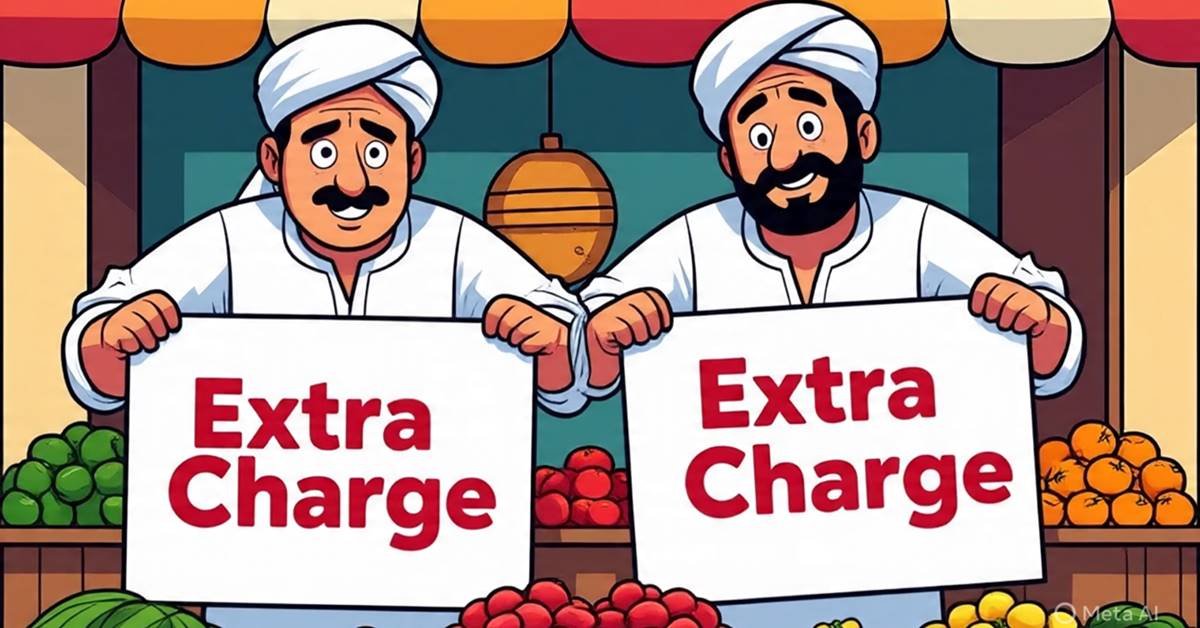
    However, it has been observed that even after GST cuts, some shopkeepers continue charging higher prices, not passing on the benefit to customers. In this article, we will explain what GST rate cuts mean, how to ensure you pay the correct price, and what to do if you are being overcharged.


    1. What Does a GST Rate Cut Mean?

    When the government reduces the GST rate on a product or service, it directly impacts the final price paid by consumers. A rate cut means you should pay less tax, and consequently, your total bill should be lower.

    For example:

    Product/ServicePrevious GST RateNew GST RateEffect on Price
    Household goods18%12%Price should decrease by ~6% on GST portion
    Restaurant dining12%5%Meals should be cheaper for consumers
    Electric appliances28%18%Significant reduction in final price

    2. Why Shops Might Still Charge More

    Despite the rate cut, there are a few reasons why some shops might charge higher prices:

    1. Old stock pricing – Shopkeepers might not update prices for older inventory immediately.
    2. Profit margin protection – Some businesses increase the base price before applying GST to maintain profits.
    3. Lack of awareness – Not all shopkeepers are aware of the new GST rates or fail to update their billing systems.

    3. How to Check the Correct Price

    To ensure you are paying the correct price after a GST cut:

    • Check the GST rate: Use official government notifications or the GST portal to know the latest rates.
    • Examine the bill: GST-inclusive bills should clearly mention the rate and amount charged.
    • Compare prices: If possible, check prices at multiple shops.

    4. What to Do if You Are Overcharged

    If a shop is charging more than the applicable GST:

    1. Talk to the shopkeeper – Sometimes, it’s an honest mistake.
    2. File a complaint with GST authorities – You can lodge complaints online via the GST complaint portal or by calling GST helplines.
    3. Use consumer protection channels – Local consumer forums or online complaint platforms can also be used.

    Steps to file a GST complaint online:

    1. Visit the official GST portal.
    2. Navigate to the “Complaints” section.
    3. Provide details like bill number, GSTIN of the shop, product details, and date.
    4. Submit the complaint and track the status online.

    5. Conclusion

    GST rate cuts are designed to benefit consumers, but it’s crucial to stay vigilant and ensure you are paying the right price. By checking bills, knowing the correct GST rates, and filing complaints if necessary, you can make sure businesses pass on the tax benefits to you.

    Disclaimer: This article is for informational purposes only. Always refer to official GST notifications and portals for the latest updates.



  • GST (Goods and Services Tax) in India

    GST (Goods and Services Tax) in India


    ✅ What is GST in India?

    GST (Goods and Services Tax) is a comprehensive indirect tax levied on the supply of goods and services. It replaces multiple taxes previously levied by the central and state governments, such as VAT, service tax, excise, etc.

    📅 Implemented On: 1st July 2017
    🧾 GST is a destination-based tax – it is collected at the place where consumption occurs.


    🔍 Why GST Was Introduced?

    Before GST, there were:

    • Multiple taxes (VAT, CST, Service Tax, Excise, Entertainment Tax, etc.)
    • Tax cascading (tax on tax)
    • Complex compliance for businesses

    👉 GST unified all these into a single tax, improving transparency and reducing the burden on businesses.


    🧱 Components of GST

    TypeLevied ByApplies On
    CGSTCentral GovernmentIntra-state supply of goods/services
    SGSTState GovernmentIntra-state supply of goods/services
    IGSTCentral GovernmentInter-state supply or imports/exports
    UTGSTUnion Territory GovtSupply in Union Territories without legislature

    📌 Intra-State Supply Example:

    If goods are sold within Maharashtra, then both CGST and SGST apply.

    📌 Inter-State Supply Example:

    If goods are sold from Maharashtra to Gujarat, IGST is levied.


    🧮 GST Rate Structure in India

    SlabItems Covered
    0%Basic items (milk, fruits, vegetables)
    5%Essentials (food, medicines)
    12%Processed food, mobiles, etc.
    18%Most goods/services (ACs, electronics)
    28%Luxury items (cars, tobacco, etc.)

    📊 GST Working with a Practical Example

    Scenario:

    You manufacture a product in Delhi and sell it in Punjab.
    The product cost is ₹1,000, and the GST rate is 18%.

    👇 Here’s how GST works:

    ActivityAmountGST TypeGST %GST AmtFinal Amt
    You buy raw material₹500IGST18%₹90₹590
    You sell product @₹1000₹1,000IGST18%₹180₹1,180

    Input Tax Credit:

    You paid ₹90 on raw material and collected ₹180 from your customer.
    So, you will pay ₹180 – ₹90 = ₹90 to the government.

    📌 Only the value-added portion is taxed. This eliminates cascading tax.


    📥 What is Input Tax Credit (ITC)?

    ITC means you can claim credit for GST paid on purchases and set it off against the GST collected on sales.

    Example:
    GST on purchases = ₹1,000
    GST on sales = ₹1,500
    Net GST payable = ₹1,500 – ₹1,000 = ₹500


    🧾 GST Registration

    Mandatory if:

    • Annual turnover > ₹40 lakh (₹20 lakh for services)
    • Inter-state supply
    • E-commerce seller
    • Casual taxable person or non-resident taxable person

    Documents Needed:

    • PAN card
    • Aadhaar
    • Business address proof
    • Bank details
    • Photographs

    📂 GST Returns to File

    Return FormDescriptionFrequency
    GSTR-1Outward salesMonthly/Quarterly
    GSTR-3BSummary return (tax payment)Monthly
    GSTR-9Annual returnAnnually
    GSTR-2BAuto-drafted ITC statementMonthly

    🧮 How GST is Calculated (In Excel Example)

    ProductRateGST RateGST AmtFinal Amt
    TV₹20,00018%₹3,600₹23,600

    Formula:
    GST Amount = (Price × GST Rate) / 100
    Final Amount = Price + GST Amount


    🏢 Impact of GST on Businesses

    ✅ Simplified taxation
    ✅ Input Tax Credit reduces cost
    ✅ Encourages formal economy
    ✅ Easier compliance via GST portal


    🧠 Common FAQs on GST

    1. Is GST applicable on services?

    Yes. GST is applicable on both goods and services.

    2. Can I claim GST paid on laptop purchase?

    If you are registered under GST and the laptop is used for business, you can claim ITC.

    3. What is GSTIN?

    GSTIN = Goods and Services Tax Identification Number (15 digits)


    💡 Real-Life Practical Scenarios

    🛒 Retailer:

    Buys items from wholesaler @₹500 + 18% GST
    Sells to customer @₹800 + 18% GST
    Can claim ITC on ₹90 and pay only ₹54

    📱 Freelancer:

    Provides service for ₹50,000
    Charges 18% = ₹9,000
    Files GSTR-1 and GSTR-3B, pays tax


    🌐 GST Portal Services

    Website: www.gst.gov.in

    You can:

    • Register
    • File returns
    • Check status
    • Download forms
    • Pay tax

    🎯 Conclusion

    GST has brought transparency, uniformity, and efficiency to India’s indirect tax system. Though it had initial challenges, it has simplified taxation, eliminated tax cascading, and made India a unified market.


    GST Printable PDF Cheat Sheet


    Excel workbook with GST calculations and practical example


    Watch the Video on GST Understanding


    CLICK TO INSTALL FREE TRAINING APP

    On sale products