Tag: gst input tax credit reconciliation

  • GST Summary Comparison in Tally and Excel: Detailed Guide for Accurate GST Compliance and Reconciliation

    GST Summary Comparison in Tally and Excel is one of the most critical processes for businesses, accountants, and tax professionals in India. In the first 100 words itself, it is important to understand that GST compliance is not just about filing returns but also about ensuring that data reported in accounting software like Tally perfectly matches analytical summaries prepared in Excel. Even a small mismatch in taxable value, CGST, SGST, or IGST can result in notices, penalties, or delayed refunds. This detailed article explains how GST summaries are generated in Tally and Excel, how they differ, and how to compare them effectively for error-free compliance.


    What Is a GST Summary and Why It Matters

    A GST summary is a consolidated snapshot of all GST-related transactions for a specific period. It includes outward supplies, inward supplies, tax liability, input tax credit, and net payable tax.

    Businesses rely on GST summaries to:

    • File periodic GST returns accurately
    • Reconcile books with GST portal data
    • Detect errors in tax classification
    • Ensure proper utilization of input tax credit

    According to industry estimates, over 65% of GST notices issued to small and medium businesses arise due to mismatches between accounting data and GST returns. This highlights why GST summary comparison in Tally and Excel is not optional but essential.


    Understanding GST Summary in Tally

    Tally generates GST summaries directly from accounting entries. Once GST is enabled and ledgers are correctly configured, Tally automatically classifies transactions into taxable, exempt, zero-rated, and reverse charge categories.

    Key Components of GST Summary in Tally

    • Total taxable value
    • CGST, SGST, and IGST breakup
    • Input tax credit summary
    • Return-wise summary aligned with GSTR-1 and GSTR-3B

    Advantages of Tally GST Summary

    • Real-time data from books
    • Automatic tax calculation
    • Built-in compliance structure
    • Lower risk of manual calculation errors

    However, Tally summaries depend entirely on correct ledger setup. A single wrong GST rate or ledger classification can distort the entire summary.


    Understanding GST Summary in Excel

    Excel-based GST summaries are usually prepared by exporting data from Tally or other systems and then restructuring it manually or through formulas. Many accountants prefer Excel because it allows deep customization and flexible analysis.

    Key Components of GST Summary in Excel

    • Voucher-wise taxable values
    • Rate-wise GST calculation
    • ITC eligibility analysis
    • Month-on-month comparison

    Advantages of Excel GST Summary

    • High flexibility in reporting
    • Custom formats for management review
    • Easy reconciliation with portal data
    • Advanced analysis using Pivot Tables

    The downside is that Excel relies heavily on human accuracy. Studies show that nearly 88% of spreadsheets contain at least one error, which makes reconciliation skills crucial.


    GST Summary Comparison in Tally and Excel: Core Differences

    The real value emerges when both summaries are compared side by side. This comparison helps identify inconsistencies that may otherwise go unnoticed.

    Comparison Table: GST Summary in Tally vs Excel

    AspectDetails
    Data SourceTally uses live accounting entries, Excel uses imported or manually structured data
    Accuracy ControlTally depends on ledger setup, Excel depends on formulas and data validation

    Why GST Summary Comparison in Tally and Excel Is Essential

    1. Detection of Classification Errors

    Misclassification of GST rates (5%, 12%, 18%, 28%) is one of the most common issues. Comparing summaries helps detect such mistakes early.

    2. Input Tax Credit Reconciliation

    ITC mismatches can block working capital. A proper comparison ensures that eligible ITC claimed in returns matches accounting records.

    3. Audit and Assessment Readiness

    During audits, authorities often ask for reconciled GST data. A well-documented GST summary comparison strengthens audit defense.

    4. Reduction in Interest and Penalties

    Even a delay caused by mismatch can attract interest at 18% per annum. Regular comparison minimizes this risk.


    Step-by-Step Process for GST Summary Comparison in Tally and Excel

    Step 1: Generate GST Summary in Tally

    Select the reporting period and extract GST summaries including outward supplies, inward supplies, and ITC.

    Step 2: Export Data to Excel

    Export voucher-level or summary-level data from Tally into Excel format for detailed analysis.

    Step 3: Prepare Excel GST Summary

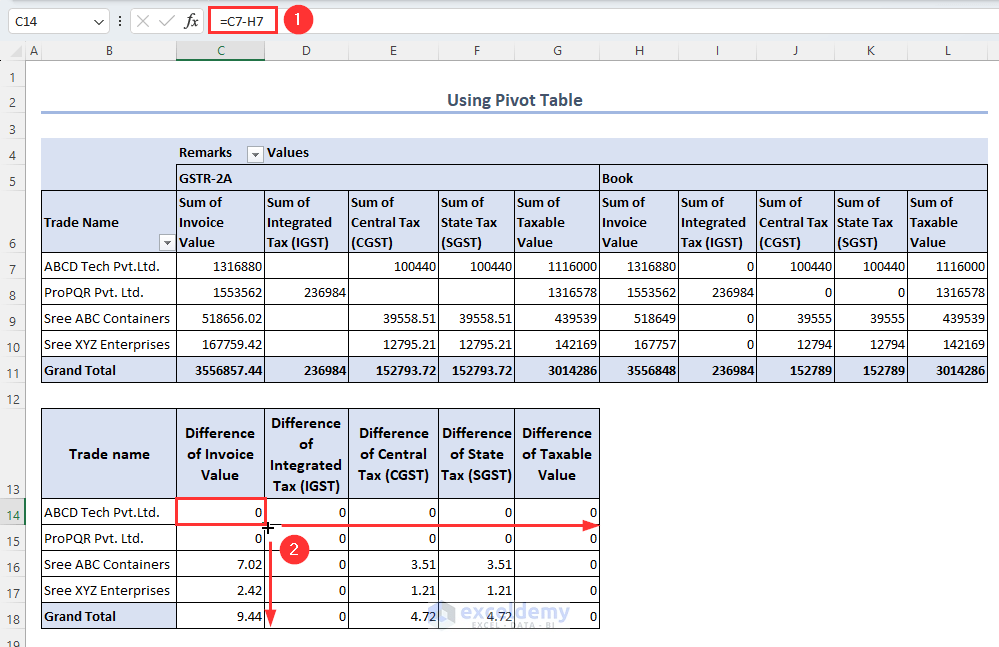
    Use formulas or pivot tables to consolidate taxable values and GST amounts rate-wise.

    Step 4: Match Key Figures

    Compare taxable value, CGST, SGST, IGST, and total tax liability.

    Step 5: Identify and Rectify Differences

    Check ledgers, vouchers, and GST rates for mismatches and correct them in Tally.

    https://www.nexus-business.com/assets/img/vendors.png
    https://www.exceldemy.com/wp-content/uploads/2023/07/19-Obtaining-the-difference-of-invoice-and-GST-values-from-the-Pivot-table-to-Do-GST-reconciliation-in-Excel.png

    Common Reasons for Differences Between Tally and Excel GST Summaries

    • Wrong GST rate selected in ledger
    • Incorrect place of supply
    • Missing reverse charge entries
    • Manual Excel formula errors
    • Rounding differences

    In practice, rounding differences alone account for nearly 10–12% of minor mismatches, especially in high-volume transactions.


    Best Practices for Accurate GST Summary Comparison

    • Use standardized Excel templates every month
    • Lock GST rates in Tally ledgers
    • Perform monthly reconciliation instead of annual
    • Maintain documentation for adjustments
    • Review summaries before filing returns

    Regular monthly reconciliation can reduce year-end workload by up to 40%, according to accounting workflow studies.


    GST Summary Comparison in Tally and Excel for Different Returns

    GSTR-1 Perspective

    Focus on outward supplies, invoice values, and tax breakup.

    GSTR-3B Perspective

    Focus on summary-level tax liability and ITC utilization.

    Aligning both summaries ensures that outward tax declared and tax paid are consistent.


    Impact of GST Summary Comparison on Business Decision-Making

    Beyond compliance, reconciled GST summaries help businesses:

    • Forecast tax outflows
    • Optimize pricing strategies
    • Improve cash flow planning
    • Avoid surprise tax demands

    Large businesses report saving 2–3% of annual tax outflow by identifying excess tax payments through proper reconciliation.


    Frequently Asked Questions (FAQ)

    1. What is GST Summary Comparison in Tally and Excel?

    It is the process of matching GST figures generated in Tally with GST summaries prepared in Excel to ensure accuracy and compliance.

    2. Why do GST summaries differ between Tally and Excel?

    Differences arise due to ledger misclassification, incorrect GST rates, manual Excel errors, or rounding differences.

    3. How often should GST summary comparison be done?

    Ideally, it should be done monthly before filing GST returns to avoid cumulative errors.

    4. Is Excel mandatory for GST reconciliation?

    No, but Excel provides flexibility and detailed analysis that complements system-generated summaries.

    5. Can GST summary comparison help during audits?

    Yes, reconciled summaries provide strong documentary evidence during audits and assessments.

    6. What is the biggest risk of not comparing GST summaries?

    The biggest risk is incorrect return filing, leading to interest, penalties, and blocked input tax credit.


    Conclusion

    GST Summary Comparison in Tally and Excel is a foundational practice for accurate GST compliance in India. Tally offers automation and real-time accuracy, while Excel provides analytical depth and flexibility. When both are used together, businesses gain complete control over their GST data. With increasing scrutiny and data-driven compliance, regular and structured comparison is no longer optional but a necessity for sustainable and compliant business operations.


    Disclaimer

    This article is for educational and informational purposes only. GST laws, rules, and interpretations are subject to change. Readers should verify figures and compliance requirements independently and apply professional judgment before making accounting or tax decisions.


  • How to File GSTR-2B Step by Step: Complete Guide to ITC Reconciliation and GST Compliance for Businesses

    How to file GSTR-2B step by step is one of the most searched GST compliance topics for accountants, business owners, and GST practitioners. In the first 100 words itself, it is important to clarify that GSTR-2B is not a return to be filed, but a system-generated Input Tax Credit (ITC) statement that plays a decisive role in filing GSTR-3B accurately. Since August 2020, GSTR-2B has become the primary reference document for ITC eligibility, helping taxpayers avoid excess claims and GST notices.

    As per GST department observations, more than 65% of GST mismatches arise due to incorrect ITC claims. Proper understanding and use of GSTR-2B significantly reduces this risk.


    What Is GSTR-2B?

    GSTR-2B is a static auto-drafted ITC statement generated monthly for regular GST taxpayers. It consolidates purchase-related data uploaded by suppliers in:

    • GSTR-1
    • GSTR-5 (non-resident)
    • GSTR-6 (ISD)

    Unlike GSTR-2A, GSTR-2B does not change once generated for a tax period.

    Key Characteristics of GSTR-2B

    • Generated monthly
    • Static in nature
    • Based on supplier filings
    • Used for ITC eligibility
    • Linked directly to GSTR-3B

    Why GSTR-2B Is Important for GST Compliance

    GSTR-2B determines how much ITC you are legally allowed to claim.

    Benefits of Using GSTR-2B

    • Reduces excess ITC claims
    • Prevents GST notices and penalties
    • Improves accuracy in GSTR-3B
    • Simplifies reconciliation
    • Ensures legal compliance

    Fact: Businesses that reconcile ITC with GSTR-2B every month face up to 70% fewer GST notices compared to those who don’t.


    Difference Between GSTR-2A and GSTR-2B

    Understanding this difference is crucial.

    ParameterGSTR-2A / GSTR-2B
    NatureDynamic / Static
    UpdatesReal-time / Monthly
    PurposeTracking / Filing ITC
    UsageInformational / Compliance

    GSTR-2B is the only valid base for ITC claim in GSTR-3B.


    Who Needs to Use GSTR-2B?

    GSTR-2B applies to:

    • Regular GST taxpayers
    • Businesses claiming ITC
    • Accountants and GST practitioners
    • Companies filing monthly GSTR-3B

    It does not apply to composition dealers or non-GST registered persons.


    How to File GSTR-2B Step by Step (Practical Explanation)

    https://tutorial.gst.gov.in/userguide/returns/assets/images/image424.png
    https://tutorial.gst.gov.in/userguide/returns/assets/images/CR%2024812_Rule37A_Image1.1.jpg
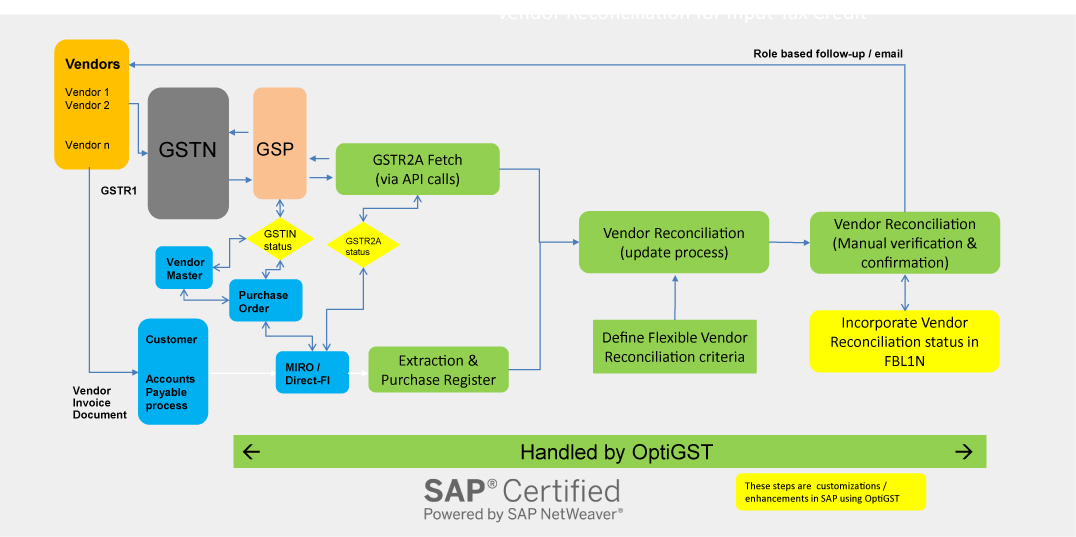
    https://www.ivldsp.com/wp-content/uploads/2021/07/Vendor-Reconciliation-for-Input-Tax-Credit-role-based.jpg

    Step 1: Log in to the GST Portal

    Use your GSTIN and credentials to access the dashboard.


    Step 2: Navigate to GSTR-2B

    Go to:

    • Returns Dashboard
    • Select Financial Year and Month
    • Click on GSTR-2B

    The system generates the statement automatically.


    Step 3: Download GSTR-2B

    You can download GSTR-2B in:

    • PDF format (summary view)
    • Excel format (detailed reconciliation)

    Excel format is recommended for professional reconciliation.


    Understanding GSTR-2B Structure

    GSTR-2B is divided into clear sections.

    ITC Available Section

    Includes:

    • Invoices eligible for ITC
    • Credit notes
    • ISD credits

    ITC Not Available Section

    Includes:

    • Blocked credits
    • Reverse charge supplies
    • Ineligible ITC under GST law

    This clear segregation helps avoid wrong claims.


    Reconciliation of GSTR-2B with Purchase Register

    https://help.gstplus.com/hc/article_attachments/360020664973/mceclip2.png
    https://docs.cleartax.in/product-help-and-support/~gitbook/ogimage/VvNiSHVX3eBNkrKtuXIo
    https://www.exceldemy.com/wp-content/uploads/2023/07/19-Obtaining-the-difference-of-invoice-and-GST-values-from-the-Pivot-table-to-Do-GST-reconciliation-in-Excel.png

    Reconciliation is the most critical step.

    Reconciliation Process

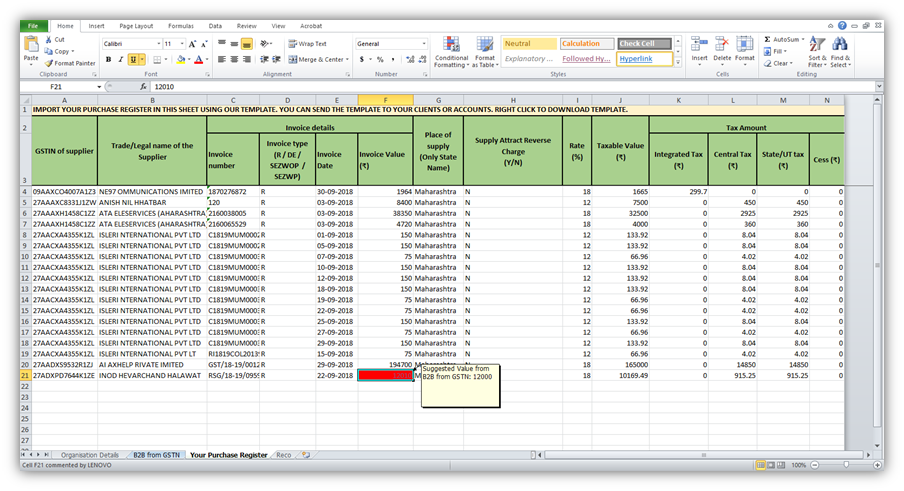
    • Match supplier GSTIN
    • Match invoice number
    • Match taxable value and tax
    • Identify missing invoices
    StatusAction Required
    Invoice matchedClaim ITC
    Missing invoiceFollow up with supplier
    Ineligible creditDo not claim

    Fact: Nearly 30% of ITC mismatches occur due to supplier non-filing or late filing of GSTR-1.


    How to Claim ITC in GSTR-3B Using GSTR-2B

    Only ITC appearing in eligible section of GSTR-2B should be claimed.

    Best Practice

    • Claim ITC strictly as per GSTR-2B
    • Carry forward unmatched ITC
    • Avoid provisional or estimated credits

    This ensures zero variance between departmental data and your return.


    Common Errors While Using GSTR-2B

    MistakeConsequence
    Claiming ITC not in 2BGST notice
    Ignoring ineligible ITCPenalty
    No reconciliationInterest liability
    Supplier mismatchITC denial

    Avoiding these mistakes protects your compliance record.


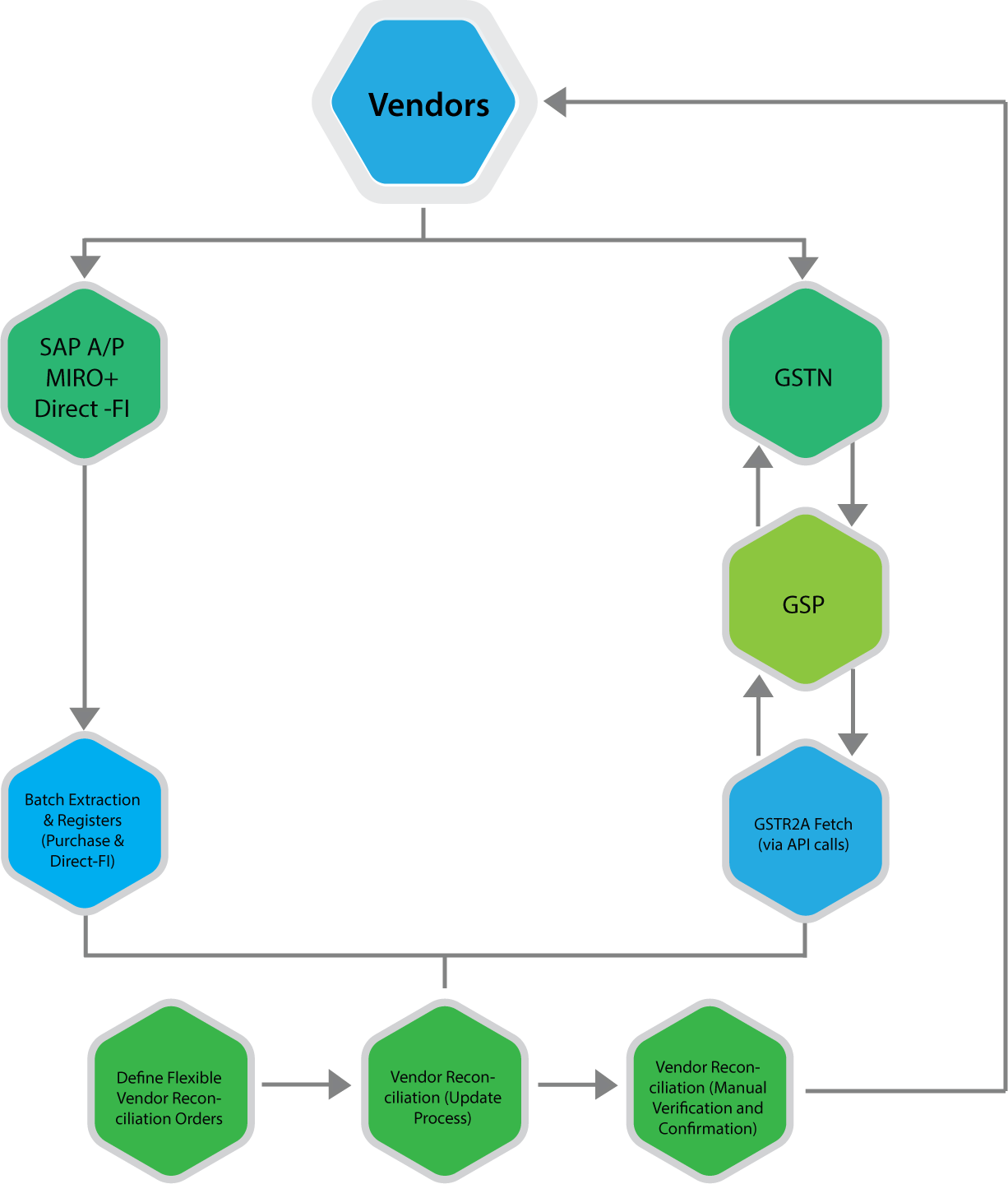
    Monthly Compliance Workflow Using GSTR-2B

    https://go4gst.com/wp-content/uploads/2025/06/gst_workflow_diagram.svg
    https://zetran.com/wp-content/uploads/2018/10/draw-a-table-for-gstr-1-gstr-2-gstr-3b-compressed-570x1024.jpg
    https://media.licdn.com/dms/image/v2/D4D22AQFer2xWirM4iw/feedshare-shrink_800/B4DZs1jcypH4Ag-/0/1766130045686?e=2147483647&t=hXekOZMIsrnjThoimpZx3DCriq47Ba4VLPM4BkOaCo0&v=beta

    A disciplined workflow includes:

    1. Download GSTR-2B
    2. Reconcile with purchase data
    3. Communicate discrepancies
    4. Finalize eligible ITC
    5. File GSTR-3B

    This process typically takes 2–4 hours per month for small to mid-sized businesses.


    Practical Tips for Smooth GSTR-2B Compliance

    • Reconcile monthly, not quarterly
    • Educate vendors on timely filing
    • Maintain clean purchase records
    • Use Excel-based reconciliation
    • Track pending ITC separately

    Consistent compliance builds credibility with tax authorities.


    Legal Importance of GSTR-2B

    GST law clearly states that ITC eligibility depends on:

    • Supplier filing status
    • Invoice reporting
    • Tax payment by supplier

    GSTR-2B acts as documentary evidence for ITC eligibility during audits.


    FAQ: How to File GSTR-2B Step by Step

    1. Is GSTR-2B required to be filed?

    No, GSTR-2B is auto-generated and not filed by taxpayers.

    2. Can ITC be claimed without appearing in GSTR-2B?

    No, ITC should be claimed only if it appears in GSTR-2B.

    3. What is the frequency of GSTR-2B?

    It is generated monthly.

    4. Does GSTR-2B change after generation?

    No, it remains static for the period.

    5. What should be done for missing invoices?

    Follow up with suppliers to file or amend GSTR-1.

    6. Is GSTR-2A still relevant?

    GSTR-2A is for tracking, but GSTR-2B is for compliance.

    7. Can Excel be used for GSTR-2B reconciliation?

    Yes, Excel is widely used for professional reconciliation.


    Conclusion

    Understanding how to file GSTR-2B step by step actually means mastering how to use, analyze, and reconcile this statement correctly. GSTR-2B is the backbone of ITC compliance under GST and directly impacts cash flow, tax liability, and audit exposure. Businesses that integrate GSTR-2B into their monthly GST workflow experience smoother compliance, fewer notices, and better financial control. Treat GSTR-2B not as a formality, but as a strategic compliance tool.


    Disclaimer

    This article is intended for educational and informational purposes only. GST laws, rules, and procedures are subject to change based on government notifications and amendments. Readers are advised to consult a qualified GST professional or apply professional judgment before taking compliance decisions.