Tag: GST Audit Preparation

  • GST Summary Comparison in Tally and Excel: Detailed Guide for Accurate GST Compliance and Reconciliation

    GST Summary Comparison in Tally and Excel is one of the most critical processes for businesses, accountants, and tax professionals in India. In the first 100 words itself, it is important to understand that GST compliance is not just about filing returns but also about ensuring that data reported in accounting software like Tally perfectly matches analytical summaries prepared in Excel. Even a small mismatch in taxable value, CGST, SGST, or IGST can result in notices, penalties, or delayed refunds. This detailed article explains how GST summaries are generated in Tally and Excel, how they differ, and how to compare them effectively for error-free compliance.


    What Is a GST Summary and Why It Matters

    A GST summary is a consolidated snapshot of all GST-related transactions for a specific period. It includes outward supplies, inward supplies, tax liability, input tax credit, and net payable tax.

    Businesses rely on GST summaries to:

    • File periodic GST returns accurately
    • Reconcile books with GST portal data
    • Detect errors in tax classification
    • Ensure proper utilization of input tax credit

    According to industry estimates, over 65% of GST notices issued to small and medium businesses arise due to mismatches between accounting data and GST returns. This highlights why GST summary comparison in Tally and Excel is not optional but essential.


    Understanding GST Summary in Tally

    Tally generates GST summaries directly from accounting entries. Once GST is enabled and ledgers are correctly configured, Tally automatically classifies transactions into taxable, exempt, zero-rated, and reverse charge categories.

    Key Components of GST Summary in Tally

    • Total taxable value
    • CGST, SGST, and IGST breakup
    • Input tax credit summary
    • Return-wise summary aligned with GSTR-1 and GSTR-3B

    Advantages of Tally GST Summary

    • Real-time data from books
    • Automatic tax calculation
    • Built-in compliance structure
    • Lower risk of manual calculation errors

    However, Tally summaries depend entirely on correct ledger setup. A single wrong GST rate or ledger classification can distort the entire summary.


    Understanding GST Summary in Excel

    Excel-based GST summaries are usually prepared by exporting data from Tally or other systems and then restructuring it manually or through formulas. Many accountants prefer Excel because it allows deep customization and flexible analysis.

    Key Components of GST Summary in Excel

    • Voucher-wise taxable values
    • Rate-wise GST calculation
    • ITC eligibility analysis
    • Month-on-month comparison

    Advantages of Excel GST Summary

    • High flexibility in reporting
    • Custom formats for management review
    • Easy reconciliation with portal data
    • Advanced analysis using Pivot Tables

    The downside is that Excel relies heavily on human accuracy. Studies show that nearly 88% of spreadsheets contain at least one error, which makes reconciliation skills crucial.


    GST Summary Comparison in Tally and Excel: Core Differences

    The real value emerges when both summaries are compared side by side. This comparison helps identify inconsistencies that may otherwise go unnoticed.

    Comparison Table: GST Summary in Tally vs Excel

    AspectDetails
    Data SourceTally uses live accounting entries, Excel uses imported or manually structured data
    Accuracy ControlTally depends on ledger setup, Excel depends on formulas and data validation

    Why GST Summary Comparison in Tally and Excel Is Essential

    1. Detection of Classification Errors

    Misclassification of GST rates (5%, 12%, 18%, 28%) is one of the most common issues. Comparing summaries helps detect such mistakes early.

    2. Input Tax Credit Reconciliation

    ITC mismatches can block working capital. A proper comparison ensures that eligible ITC claimed in returns matches accounting records.

    3. Audit and Assessment Readiness

    During audits, authorities often ask for reconciled GST data. A well-documented GST summary comparison strengthens audit defense.

    4. Reduction in Interest and Penalties

    Even a delay caused by mismatch can attract interest at 18% per annum. Regular comparison minimizes this risk.


    Step-by-Step Process for GST Summary Comparison in Tally and Excel

    Step 1: Generate GST Summary in Tally

    Select the reporting period and extract GST summaries including outward supplies, inward supplies, and ITC.

    Step 2: Export Data to Excel

    Export voucher-level or summary-level data from Tally into Excel format for detailed analysis.

    Step 3: Prepare Excel GST Summary

    Use formulas or pivot tables to consolidate taxable values and GST amounts rate-wise.

    Step 4: Match Key Figures

    Compare taxable value, CGST, SGST, IGST, and total tax liability.

    Step 5: Identify and Rectify Differences

    Check ledgers, vouchers, and GST rates for mismatches and correct them in Tally.
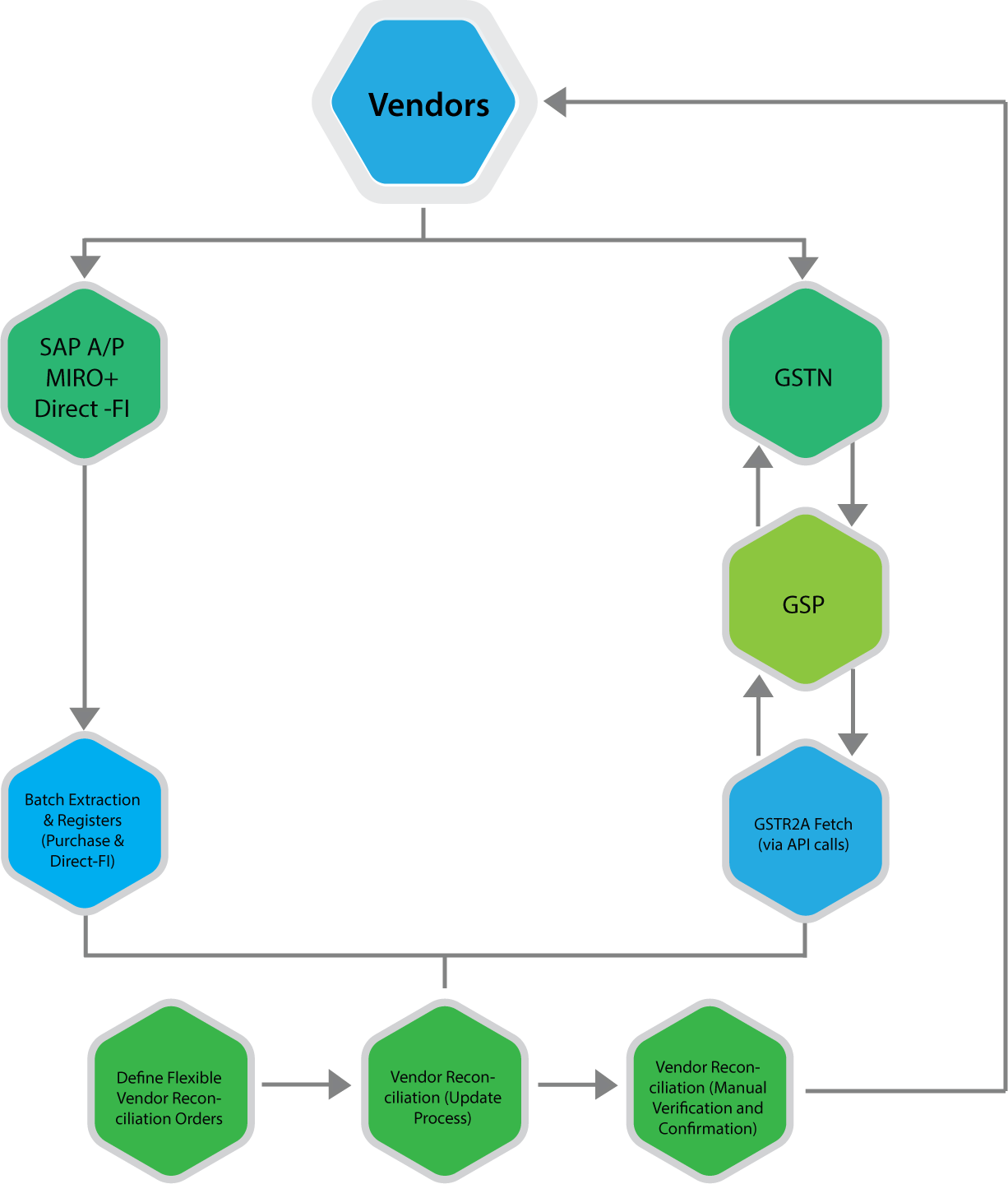

    https://www.nexus-business.com/assets/img/vendors.png
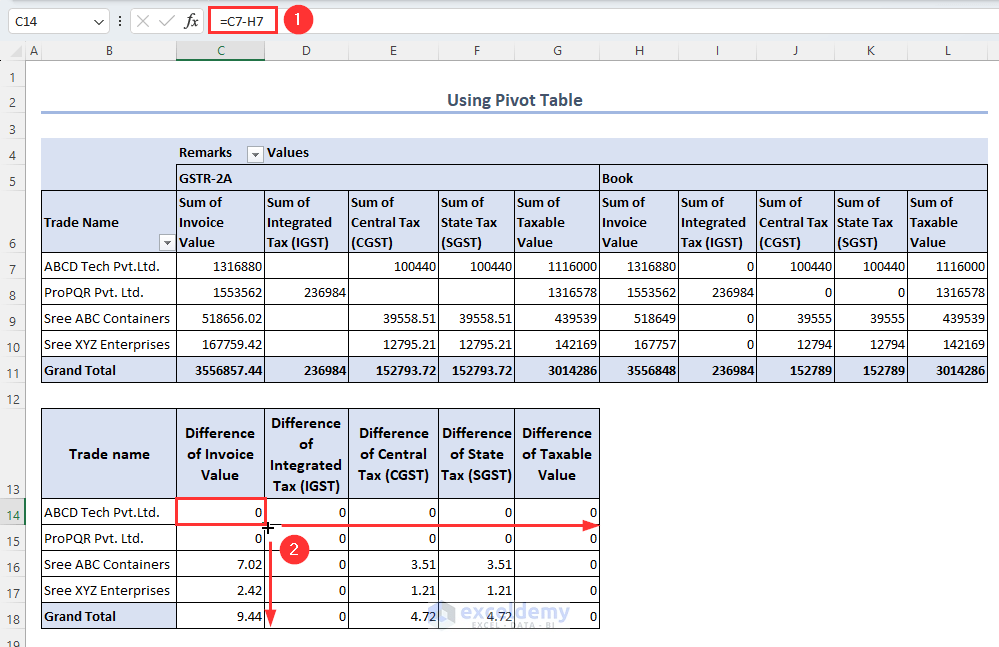
    https://www.exceldemy.com/wp-content/uploads/2023/07/19-Obtaining-the-difference-of-invoice-and-GST-values-from-the-Pivot-table-to-Do-GST-reconciliation-in-Excel.png

    Common Reasons for Differences Between Tally and Excel GST Summaries

    • Wrong GST rate selected in ledger
    • Incorrect place of supply
    • Missing reverse charge entries
    • Manual Excel formula errors
    • Rounding differences

    In practice, rounding differences alone account for nearly 10–12% of minor mismatches, especially in high-volume transactions.


    Best Practices for Accurate GST Summary Comparison

    • Use standardized Excel templates every month
    • Lock GST rates in Tally ledgers
    • Perform monthly reconciliation instead of annual
    • Maintain documentation for adjustments
    • Review summaries before filing returns

    Regular monthly reconciliation can reduce year-end workload by up to 40%, according to accounting workflow studies.


    GST Summary Comparison in Tally and Excel for Different Returns

    GSTR-1 Perspective

    Focus on outward supplies, invoice values, and tax breakup.

    GSTR-3B Perspective

    Focus on summary-level tax liability and ITC utilization.

    Aligning both summaries ensures that outward tax declared and tax paid are consistent.


    Impact of GST Summary Comparison on Business Decision-Making

    Beyond compliance, reconciled GST summaries help businesses:

    • Forecast tax outflows
    • Optimize pricing strategies
    • Improve cash flow planning
    • Avoid surprise tax demands

    Large businesses report saving 2–3% of annual tax outflow by identifying excess tax payments through proper reconciliation.


    Frequently Asked Questions (FAQ)

    1. What is GST Summary Comparison in Tally and Excel?

    It is the process of matching GST figures generated in Tally with GST summaries prepared in Excel to ensure accuracy and compliance.

    2. Why do GST summaries differ between Tally and Excel?

    Differences arise due to ledger misclassification, incorrect GST rates, manual Excel errors, or rounding differences.

    3. How often should GST summary comparison be done?

    Ideally, it should be done monthly before filing GST returns to avoid cumulative errors.

    4. Is Excel mandatory for GST reconciliation?

    No, but Excel provides flexibility and detailed analysis that complements system-generated summaries.

    5. Can GST summary comparison help during audits?

    Yes, reconciled summaries provide strong documentary evidence during audits and assessments.

    6. What is the biggest risk of not comparing GST summaries?

    The biggest risk is incorrect return filing, leading to interest, penalties, and blocked input tax credit.


    Conclusion

    GST Summary Comparison in Tally and Excel is a foundational practice for accurate GST compliance in India. Tally offers automation and real-time accuracy, while Excel provides analytical depth and flexibility. When both are used together, businesses gain complete control over their GST data. With increasing scrutiny and data-driven compliance, regular and structured comparison is no longer optional but a necessity for sustainable and compliant business operations.


    Disclaimer

    This article is for educational and informational purposes only. GST laws, rules, and interpretations are subject to change. Readers should verify figures and compliance requirements independently and apply professional judgment before making accounting or tax decisions.


  • Top 10 GST Compliance Mistakes for Small Businesses: A Complete Guide to Avoid Penalties and Improve Tax Accuracy

    Goods and Services Tax has become one of the most important taxation systems for small enterprises in India. In the first 100 words, let us highlight the significance of the top 10 GST compliance mistakes for small businesses. Many small firms struggle with monthly returns, invoice matching, documentation accuracy, and tax liability calculations. Even after years of GST implementation, more than 55 percent of small businesses still face notices due to non-compliance or reporting errors. Understanding the most common GST mistakes helps business owners stay compliant, avoid penalties, maintain clean books, and build a transparent tax structure. This article provides a detailed explanation of each mistake with practical guidance to prevent them.


    Why GST Compliance Matters for Small Businesses

    GST compliance ensures accurate reporting of outward and inward supplies, timely tax payment, and proper documentation. A fully compliant business:

    • Reduces legal and financial risks
    • Maintains a good reputation with suppliers and authorities
    • Improves input tax credit flow
    • Enhances financial planning and cash flow management
    • Avoids penalties and interest charges

    Non-compliance affects operational stability, and in extreme cases, businesses may face cancellation of GST registration.


    Table: Common GST Mistakes vs Impact on Business

    GST MistakeImpact on Business
    Late filing of returnsPenalties, interest, blocked ITC
    Incorrect invoice detailsRejection of ITC, mismatched returns
    Not reconciling GSTR-2BITC loss and cash outflow
    Wrong tax classificationOverpayment or underpayment
    Poor record keepingIncreased audit risk

    Top 10 GST Compliance Mistakes for Small Businesses

    Below are the most critical mistakes that small companies frequently make and how to prevent them.


    1. Late Filing of GST Returns

    One of the biggest GST compliance mistakes for small businesses is delaying monthly or quarterly return filings. GST law imposes:

    • Late fee charges per day of delay
    • Interest on unpaid tax
    • Restrictions on claiming Input Tax Credit (ITC)

    Industry data shows over 40 percent of small businesses file GSTR-3B after the due date at least twice a year. Late filing directly affects working capital because ITC gets blocked until the next cycle.

    How to avoid this mistake

    • Use automated reminders
    • Maintain a monthly tax calendar
    • Ensure sales and purchase data are updated weekly

    2. Incorrect or Incomplete Tax Invoices

    A GST invoice must contain details such as GSTIN, HSN code, invoice number, date, taxable value, and tax breakup. Missing or incorrect details lead to:

    • ITC claim rejection for buyers
    • Compliance discrepancies
    • Notices during departmental audits

    More than 30 percent of GST invoice mismatches arise from incorrect HSN codes or tax rates.

    How to avoid

    • Use standardized invoice templates
    • Perform internal checks before issuing invoices
    • Ensure numbering sequence is continuous and error-free

    3. Not Reconciling Input Tax Credit with GSTR-2B

    ITC can only be claimed if it appears in GSTR-2B. Many small businesses depend solely on purchase records and do not cross-check with the auto-drafted 2B report.

    Consequences include:

    • Loss of eligible ITC
    • Extra tax liability
    • Cash flow reduction

    Reports indicate that businesses lose up to 8 to 12 percent of potential ITC due to mismatching issues.

    How to avoid

    • Reconcile purchase register with GSTR-2B monthly
    • Identify suppliers who do not file returns on time
    • Follow up regularly to ensure proper reporting

    4. Using Wrong GST Rate or Classification

    A common problem occurs when businesses apply incorrect GST rates due to misunderstanding of product classification or HSN/SAC codes. This leads to:

    • Overpayment of tax
    • Short payment resulting in penalties
    • Incorrect ITC claims

    Studies show that 20 percent of classification errors arise from mixing service codes and product codes.

    How to avoid

    • Maintain a GST rate table for all items
    • Regularly update classification as per notifications
    • Seek professional advice for complex items

    5. Ignoring Reverse Charge Mechanism (RCM) Obligations

    Many small businesses forget that certain supplies attract reverse charge, meaning the recipient must pay GST instead of the supplier. Common RCM cases include:

    • Purchases from unregistered dealers
    • Specific service categories
    • Certain goods and services defined under RCM rules

    Ignoring RCM leads to tax liabilities accumulating unnoticed.

    How to avoid

    • Prepare an RCM checklist
    • Review purchases monthly
    • Document RCM entries in books accurately

    6. Poor Record Keeping and Documentation

    Businesses are legally required to maintain GST records for several years. Missing or incomplete records may cause issues during audits or investigations.

    Common documentation errors include:

    • Missing purchase bills
    • Not maintaining e-way bills
    • Lack of payment records
    • Missing delivery challans

    How to avoid

    • Organize digital and physical records systematically
    • Use proper naming conventions for files
    • Maintain backup copies of all documents

    7. Not Issuing E-Way Bills Properly

    E-way bills are mandatory for transporting goods above a specified value threshold. Mistakes include:

    • Not generating e-way bills on time
    • Incorrect vehicle number
    • Expired validity

    This may result in penalties, detention of goods, or seizure of vehicles.

    How to avoid

    • Track the value of each shipment
    • Train staff on e-way bill generation
    • Keep route and delivery details updated

    8. Mismatch Between Books of Accounts and GST Returns

    A frequent GST compliance mistake for small businesses is inaccurate integration between accounting records and GST returns. Revenue records, purchase registers, and financial accounts must match GST filings.

    Consequences of mismatch:

    • GST notices
    • Discrepancies in ITC
    • Impact on financial reporting accuracy

    How to avoid

    • Compare GSTR-3B, GSTR-1, and financial books monthly
    • Use reconciliation tools in accounting software
    • Conduct quarterly reviews

    9. Incorrect Claiming of Input Tax Credit

    ITC cannot be claimed for certain expenses such as personal purchases or ineligible items like food, health services, or blocked credits. Mistakenly claiming ineligible ITC can result in:

    • Penalties
    • Requirement to reverse ITC
    • Higher tax payable

    How to avoid

    • Maintain an ineligible ITC list
    • Review all purchase entries monthly
    • Verify vendor compliance

    10. Not Updating GST Registration Details on Time

    Businesses often fail to update changes in:

    • Address
    • Contact details
    • Business type
    • Additional places of business

    Failure to update may cause:

    • Miscommunication
    • Notices delivered to wrong address
    • Compliance inaccuracies

    How to avoid

    • Review GST registration every year
    • Submit amendment applications for any changes

    Summary Table: GST Mistakes and Prevention Tips

    MistakePrevention Tip
    Late filingUse reminders and maintain calendar
    Incorrect invoicesUse standard formats and double-check data
    ITC mismatchReconcile with GSTR-2B every month
    Wrong GST rateMaintain updated classification list
    Poor record keepingMaintain digital and physical backup

    FAQs (Optimized for Featured Snippets)

    1. What are the most common GST compliance mistakes for small businesses?

    The most common GST compliance mistakes for small businesses include late filing, incorrect invoicing, ITC mismatch, wrong GST rate, poor documentation, errors in e-way bills, and failure to update registration details.

    2. How does late GST filing affect small businesses?

    Late GST filing results in penalties, interest, and blocked input tax credit, which directly impacts cash flow and working capital.

    3. Why is GST invoice accuracy important?

    Invoice errors cause return mismatches and rejection of ITC for customers. It increases the risk of GST notices and tax disputes.

    4. How can small businesses avoid ITC mismatching?

    Businesses should reconcile purchase records with GSTR-2B monthly, ensure suppliers file returns on time, and track mismatched entries.

    5. What happens if a business uses the wrong GST rate?

    Using the wrong GST rate leads to underpayment or overpayment of tax, resulting in notices, penalties, and potential ITC issues.

    6. Do small businesses need to maintain e-way bills?

    Yes. E-way bills are mandatory for transporting goods above a specified value. Incorrect or missing e-way bills can result in detention and penalties.

    7. How important is documentation for GST compliance?

    Proper documentation is critical for audits, ITC claims, and accurate return filing. Missing records may lead to compliance risk and penalties.

    8. How often should GST reconciliation be done?

    Monthly reconciliation is recommended to avoid mismatches and maintain smooth ITC flow.


    Disclaimer

    This article is for educational and informational purposes only. It should not be considered tax or legal advice. Businesses must evaluate their own compliance requirements and seek professional consultation when needed.


  • Preparing for Tally + GST Audits in 2025 – A Complete Checklist Guide

    With the GST network maturing and e-invoicing expanding to almost all turnover slabs, 2025 is shaping up to be the most audit-intensive year yet. Businesses relying on TallyPrime must ensure their books align perfectly with GST returns, e-invoice data, and vendor filings. A structured checklist-based approach reduces last-minute panic, minimizes penalties, and keeps you audit-ready year-round.


    Why Audit Preparation Matters

    AspectRisk When IgnoredBenefit of Proper Prep
    GST Return MismatchShow-cause notices, penaltiesSmooth audit trail
    Missing IRNsInvoice invalidationGuaranteed compliance
    Input Tax ErrorsBlocked ITCMaximized credit
    Voucher InaccuracyBooks & GST portal mismatchReliable financials

    Tally + GST Audit Preparation Checklist for 2025

    1. Reconcile E-Invoices with Books

    • Export IRP acknowledgment reports (IRN, Ack No, Ack Date).
    • Match against Tally invoice register by:
      • Invoice number
      • GSTIN
      • Invoice value
    • Flag missing or duplicate IRNs for correction.

    Tip: Use Excel Power Query to merge IRP JSON data with Tally exports for quick variance reports.


    2. Validate GSTIN & Master Data

    • Ensure Customer & Supplier Masters have:
      • 15-digit GSTIN (correct state code)
      • Legal name matching GST portal
      • Proper tax rate mapping
    • Apply Tally validation tools or Excel custom formulas: =AND(LEN(A2)=15)

    3. Match GSTR-2B with Purchase Register

    • Download GSTR-2B (static statement) from GST portal.
    • Use VLOOKUP/XLOOKUP to match:
      • GSTIN
      • Invoice number
      • Taxable value
    • Highlight mismatches with conditional formatting (missing ITC, wrong rate).
    • Follow up with vendors to ensure they upload pending invoices.

    4. Review Voucher Accuracy

    • Lock prior-period vouchers after filing.
    • Enable Tally GST features:
      • Auto-tax calculation
      • Tax rate validations
    • Randomly verify:
      • HSN codes
      • Place of Supply
      • Reverse charge applicability
    • Rectify negative stock or wrong ledger groupings before finalization.

    5. Cross-Check GSTR-1 & GSTR-3B Consistency

    • Compare outward supply totals in GSTR-1 vs liability declared in GSTR-3B.
    • Investigate any rate-wise differences:
      • Rounding errors
      • Missing credit notes or debit notes
    • Run Tally’s GSTR-1/GSTR-3B reports to confirm alignment.

    6. Audit Trail & Documentation

    • Maintain:
      • E-way bills linked to invoices
      • Payment proofs for reverse charge
      • Vendor communications for ITC disputes
    • Keep a monthly reconciliation file (Excel) signed off by accounts.

    7. Automate What You Can

    • Tally ODBC → Excel Power Query for live data pulls.
    • Macros to generate:
      • Mismatch reports
      • Tax liability summaries
    • Schedule quarterly dry-runs of the audit checklist so errors surface early.

    Practical Timeline (Year-Round Approach)

    MonthKey Activity
    MonthlyE-invoice & GSTR-2B matching
    QuarterlyVoucher sampling & HSN validation
    Half-YearlyLedger scrutiny & ITC ageing
    Year-EndAudit trail documentation & IRP archive

    2025 Best Practices

    • Enable “Set GST Details” for every ledger in Tally—no generic “Sundry” ledgers.
    • Archive JSON, Excel, and PDF for every return period.
    • Track IRN cancellations—ensure corresponding credit notes exist.
    • Stay updated with NIC schema changes & Tally releases.

    Conclusion

    Audit readiness is no longer a once-a-year sprint. With e-invoicing and data analytics, GST authorities cross-verify in real time. Adopting a checklist-driven process for e-invoice reconciliation, GSTR-2B matching, invoice validation, and error-proof voucher entries will help you sail through audits confidently in 2025.