Tag: GST 2025

  • GST Rate Cuts Explained: Are Shops Still Charging More? Here’s How to File a Complaint

    GST Rate Cuts Explained: Are Shops Still Charging More? Here’s How to File a Complaint

    In India, the Goods and Services Tax (GST) is a comprehensive indirect tax implemented in 2017 to streamline taxation and reduce the cascading effect of multiple taxes. From time to time, the government announces GST rate cuts on various goods and services to reduce the financial burden on consumers.

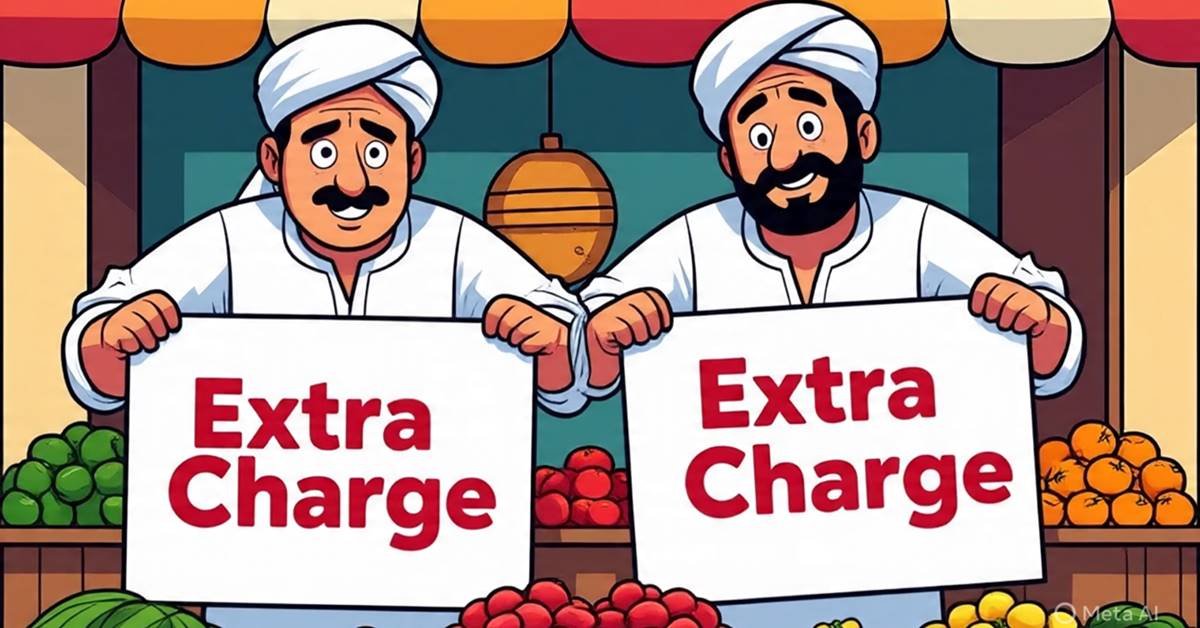
    However, it has been observed that even after GST cuts, some shopkeepers continue charging higher prices, not passing on the benefit to customers. In this article, we will explain what GST rate cuts mean, how to ensure you pay the correct price, and what to do if you are being overcharged.


    1. What Does a GST Rate Cut Mean?

    When the government reduces the GST rate on a product or service, it directly impacts the final price paid by consumers. A rate cut means you should pay less tax, and consequently, your total bill should be lower.

    For example:

    Product/ServicePrevious GST RateNew GST RateEffect on Price
    Household goods18%12%Price should decrease by ~6% on GST portion
    Restaurant dining12%5%Meals should be cheaper for consumers
    Electric appliances28%18%Significant reduction in final price

    2. Why Shops Might Still Charge More

    Despite the rate cut, there are a few reasons why some shops might charge higher prices:

    1. Old stock pricing – Shopkeepers might not update prices for older inventory immediately.
    2. Profit margin protection – Some businesses increase the base price before applying GST to maintain profits.
    3. Lack of awareness – Not all shopkeepers are aware of the new GST rates or fail to update their billing systems.

    3. How to Check the Correct Price

    To ensure you are paying the correct price after a GST cut:

    • Check the GST rate: Use official government notifications or the GST portal to know the latest rates.
    • Examine the bill: GST-inclusive bills should clearly mention the rate and amount charged.
    • Compare prices: If possible, check prices at multiple shops.

    4. What to Do if You Are Overcharged

    If a shop is charging more than the applicable GST:

    1. Talk to the shopkeeper – Sometimes, it’s an honest mistake.
    2. File a complaint with GST authorities – You can lodge complaints online via the GST complaint portal or by calling GST helplines.
    3. Use consumer protection channels – Local consumer forums or online complaint platforms can also be used.

    Steps to file a GST complaint online:

    1. Visit the official GST portal.
    2. Navigate to the “Complaints” section.
    3. Provide details like bill number, GSTIN of the shop, product details, and date.
    4. Submit the complaint and track the status online.

    5. Conclusion

    GST rate cuts are designed to benefit consumers, but it’s crucial to stay vigilant and ensure you are paying the right price. By checking bills, knowing the correct GST rates, and filing complaints if necessary, you can make sure businesses pass on the tax benefits to you.

    Disclaimer: This article is for informational purposes only. Always refer to official GST notifications and portals for the latest updates.


  • GST Cuts on ACs, TVs, Fridges & Washing Machines – Big Savings for Buyers

    The Indian government has recently revamped the Goods and Services Tax (GST) structure, bringing major relief for households and middle-class consumers. With the revised GST rates, air conditioners, refrigerators, washing machines, and televisions have become more affordable, giving a big push to consumer spending just ahead of the festive season.

    This move is expected to boost demand, support the consumer durables industry, and encourage more people to upgrade to energy-efficient models.


    📉 New GST Rates on Home Appliances

    The GST Council has slashed rates for popular consumer electronics, bringing them under a lower slab. Here’s how the changes look:

    Product CategoryOld GST RateNew GST RateImpact on Prices
    Small TVs (<32 inches)18% – 28%5%Drastic price cut, especially for budget TVs
    Large TVs (>32 inches)28%18%Savings of ₹2,000–₹5,000
    Air Conditioners28%18%Reduction of ₹1,500–₹3,000 per unit
    Refrigerators28%18%Mid-range models now more affordable
    Washing Machines28%18%Average household savings of 8–10%
    Dishwashers & Other Appliances28%18%Prices lowered across premium appliances

    🎯 What This Means for Consumers

    1. Big Savings for Middle-Class Families
      Households looking to buy essential appliances like fridges, washing machines, or ACs will now spend less, making these products more accessible.
    2. Encouragement to Upgrade
      With lower prices, consumers may switch to newer, energy-efficient models—helping reduce electricity bills in the long run.
    3. Festive Season Boost
      The timing of the GST cuts is ideal. With Diwali, Dussehra, and other festivals approaching, retailers expect a surge in sales.
    4. Wider Reach to Tier-2 & Tier-3 Cities
      Affordable pricing could also drive demand in semi-urban and rural areas where penetration of appliances like dishwashers and large TVs is still low.

    🏭 Industry Impact

    • Consumer Durable Companies such as LG, Samsung, Whirlpool, and Godrej are expected to benefit from higher sales volumes.
    • Retailers & E-commerce Platforms will see strong demand, especially during festive discounts and EMI offers.
    • Manufacturers may increase production, creating more jobs and boosting the supply chain.

    📊 Why This GST Cut Matters

    FactorBefore GST CutAfter GST Cut
    AffordabilityHigher costs due to 28% GSTReduced prices with 18% GST slab
    Consumer SentimentBuyers delaying purchasesRenewed confidence & festive buying spree
    Industry GrowthStagnant demand in entry/mid-rangeExpected growth of 10–15% in next quarter
    Market PenetrationLimited in Tier-2 & Tier-3 marketsWider adoption due to lower prices

    ✅ Final Thoughts

    The latest GST reforms mark a turning point for India’s consumer electronics sector. By lowering GST on essential appliances, the government has given the middle class more spending power and revived demand in a sector that has been sluggish in recent years.

    For consumers, this is the perfect time to upgrade or invest in home appliances. For the industry, it signals a strong growth trajectory driven by affordability, accessibility, and festive cheer.


  • GST Revamp 2025: Small Cars and Bikes Get Cheaper — Is EV Growth at Risk?

    India’s GST overhaul, effective 22 September 2025, introduces a simplified two-slab structure (5% and 18%) plus a 40% on luxury/sin goods. This restructuring offers strong discounts on mass-market vehicles but raises questions about the future of the electric mobility push.


    GST Rate Changes: How Vehicles Are Affected

    Vehicle TypePrevious GST (incl. cess)New GST RateWho Wins
    Small petrol/diesel cars (<4m, <1200cc)~28–31%18%Buyers of compact cars
    Motorcycles ≤ 350cc28% + cess18%Commuter bike buyers
    EVs (all types)5%5% (unchanged)Clean mobility sector
    Large bikes (>350cc)28% + cess40% (new sin slab)High-end motorcycle buyers
    Large cars/SUVs (>4m, >1500cc)45–50%40%Buyers of luxury vehicles

    Small petrol cars and commuter bikes get a 10–12% GST reduction, slashing prices by up to ₹1 lakh in some models. However, EVs retain their 5% GST rate, which is favorable for EV makers, though analysts warn cheaper ICE vehicles may slow EV adoption.


    What This Means for the Auto Industry & Consumers

    Enhanced Affordability for ICE Vehicles

    The reduced GST on small cars and bikes could revive demand for entry-level vehicles, particularly among middle-income buyers, thanks to notable price drops.

    Continued Support for EVs

    Maintaining the 5% GST on EVs reaffirms the government’s commitment to clean mobility. Both luxury and budget EVs benefit equally from this concession.

    Strategic Risk for EV Adoption

    As ICE prices fall, the cost advantage for EVs narrows. Analysts caution this may shift consumer preference back toward traditional petrol/diesel vehicles.

    Luxury Vehicles Tax Cut

    Big bikes and premium cars now fall into the 40% slab, lower than the previous 45–50% range. This helps moderate price hikes for high-end buyers.


    Industry Reactions

    • Auto OEMs celebrate rising demand prospects for compact vehicles.
    • EV manufacturers caution against trends favoring ICE vehicles amid faster recovery of fuel vehicle affordability.
    • Overall, these GST changes are expected to stimulate a shift in consumer choices during the festive season.

    Final Thoughts

    The 2025 GST reforms deliver massive relief for buyers of small petrol cars and bikes, nudging affordability up while maintaining support for EVs. Yet, the shift may inadvertently slow EV growth, as the price element becomes less of a competitive advantage. The next few months will determine if this creates a temporary roadblock or sparks further innovation in e-mobility.


  • GST Cuts on Tractors, Fertilisers & Fruits: Big Relief for Farmers, Lower Costs & Rural Growth in 2025

    The agriculture sector in India has received a massive boost with the latest GST reforms, aimed at lowering costs for farmers and making essential items more affordable. The government’s move to restructure GST rates has provided relief across a wide range of agricultural products—from tractors and machinery to fertilisers and food items.

    This change is expected to lower farming costs, boost rural incomes, and enhance food security for millions of households.


    📉 Key GST Rate Reductions for Farmers

    The revised GST slabs simplify taxation into 5%, 18%, and 40% categories. Crucially, most farm-related essentials have been placed in the 5% bracket or made tax-free.

    ✅ GST Cuts for Agricultural Essentials

    CategoryOld GST RateNew GST RateImpact on Farmers
    Tractors (<1800 cc)12%5%Affordable farm mechanisation
    Tractor parts (tyres, pumps)18%5%Lower repair & maintenance cost
    Irrigation equipment (drip, sprinklers)12%5%Encourages efficient water use
    Fertiliser inputs (sulphuric/nitric acid, ammonia)18%5%Reduces fertiliser manufacturing cost
    Bio-pesticides & micronutrients12%5%Promotes sustainable farming
    Processed fruits & vegetables12%5%Boosts agri-processing & farmer earnings
    Dairy products (milk, paneer, honey, butter)12%5% / NilImproves rural nutrition and affordability
    Solar irrigation & logistics12–28%5–18%Encourages clean energy use in agriculture

    🚜 How Farmers Benefit from GST Cuts

    1. Cheaper Tractors & Equipment
      Mechanisation becomes more accessible to small and marginal farmers. This leads to improved productivity and reduced manual labour costs.
    2. Lower Input Costs
      Fertiliser and pesticide expenses form a major portion of farming costs. With reduced GST, farmers save money on every harvest cycle.
    3. Boost to Rural Industries
      Food processing units, dairy cooperatives, and farmer-producer organisations benefit from lower taxation, improving profitability and rural job creation.
    4. Encouragement for Sustainable Practices
      Affordable solar-powered irrigation and eco-friendly inputs align with India’s long-term vision of sustainable agriculture.

    📊 Market and Economic Impact

    SectorImpact of GST Cuts
    Tractor ManufacturersSurge in demand; major brands expect sales growth of 10–15%.
    Agri-chemical FirmsReduced input cost drives fertiliser affordability, boosting volumes.
    Dairy & Food ProcessingLower tax burden encourages expansion into rural markets.
    Stock MarketAgriculture-related stocks have already shown positive momentum, reflecting optimism.

    🏡 Wider Benefits for Rural India

    • Farmers’ income rises as cost savings improve profit margins.
    • Affordable food prices ensure better access for consumers across India.
    • Job creation in rural areas through agri-processing and logistics.
    • Support for government missions like “Doubling Farmers’ Income” and “Housing for All”.

    🎯 Conclusion

    The latest GST cuts on tractors, fertilisers, fruits, and dairy products are a significant milestone in India’s tax reform journey. By reducing farming costs, the government has empowered rural households, promoted sustainable practices, and strengthened the backbone of the Indian economy—agriculture.

    This reform is not just a tax update, but a transformative policy shift that will ensure farmers reap more benefits, consumers enjoy affordable food, and the nation moves closer to its vision of inclusive growth.