1) What is ITR-2 and who should file it
ITR-2 is meant for individuals and Hindu Undivided Families (HUFs) who do not have income from business or profession but have any of the following:
- Capital gains (short-term or long-term)
- Income from more than one house property
- Foreign income or assets
- Being a director in a company
- Investments in unlisted equity shares
If your only income is salary/pension, one house property, and total income ≤ ₹50 lakh, you may be eligible for ITR-1 instead — otherwise, use ITR-2.
2) Documents to collect before filing
- PAN & Aadhaar (linked)
- Bank account details (IFSC, account number)
- Form 16 from your employer
- Form 16A / TDS certificates (from banks, others)
- Form 26AS (TDS/TCS summary)
- AIS (Annual Information Statement) and TIS
- Bank statements (for savings interest)
- Home loan interest certificate (if applicable)
- Broker contract notes / capital gains statement
- Investment proofs for deductions (80C, 80D, etc.)
3) Important deadlines
- For FY 2025-26 (AY 2026-27), the last date for filing (non-audit) is 15 September 2026.
- Belated return can be filed till 31 December 2026 but with a penalty.
4) How income is reported in ITR-2
- Salary → Schedule S
- House Property → Schedule HP
- Capital Gains → Schedule CG
- Other Income → “Income from Other Sources” section
- Deductions → Schedule VI-A
- Taxes Paid / TDS → Tax Paid and Verification section
5) Step-by-step filing process (online)
- Login to Income Tax e-filing portal
- Go to: e-File → Income Tax Returns → File Income Tax Return
- Select Assessment Year 2026-27 and choose ITR-2
- Select Prepare and Submit Online (prefilled data) or Upload JSON (offline utility)
- Review pre-filled data (salary, TDS, bank interest, etc.)
- Fill missing details:
- Salary from Form 16
- House property income/loss
- Capital gains with purchase/sale dates and cost
- Other income (bank interest, etc.)
- Deductions under Chapter VI-A
- Verify TDS and taxes paid with Form 26AS/AIS
- Validate the form
- Submit and e-verify instantly (Aadhaar OTP, Netbanking, DSC, etc.)
6) How to use Form 26AS & AIS
Form 26AS shows all tax credits in your PAN — TDS from employer/bank, TCS, advance tax, and self-assessment tax.
AIS shows a wider range of financial transactions — stock trades, interest income, property purchases, mutual fund investments, etc.
Steps to reconcile:
- Download Form 26AS from the e-filing portal (redirects to TRACES)
- Download AIS/TIS from the portal
- Cross-check:
- Salary TDS in Form 16 = Salary TDS in 26AS
- Bank interest TDS = TDS in 26AS
- Capital gains transactions in AIS match broker reports
- If mismatch — contact deductor to revise TDS statement or give feedback in AIS
7) Example calculation — FY 2025-26 (Old Regime)
Rahul has:
- Salary: ₹12,00,000 (TDS ₹90,000)
- Let-out property: rent ₹2,40,000, municipal tax ₹24,000, loan interest ₹1,20,000
- Bank interest: ₹30,000 (TDS ₹3,000)
- LTCG (listed shares after 23 Jul 2024): ₹1,50,000
- Deduction 80C: ₹1,50,000
House property income:
Gross rent 2,40,000 − Municipal tax 24,000 = 2,16,000
Less 30% standard deduction: 64,800 → 1,51,200
Less interest: 1,20,000 → 31,200 taxable
Total income before CG:
Salary after standard deduction: 12,00,000 − 50,000 = 11,50,000
- House property: 31,200
- Bank interest: 30,000
= 12,11,200
Less 80C: 1,50,000 → 10,61,200
Capital gains:
LTCG 1,50,000 − Exemption 1,25,000 = 25,000 taxable @ 12.5% = ₹3,125
Tax:
Other income 10,61,200 under old slabs = ₹1,30,860
Capital gains tax = ₹3,125
Total = ₹1,33,985
Cess @ 4% = ₹5,359 → ₹1,39,344
Less TDS ₹93,000 → Pay ₹46,344
8) Income-wise tax comparison (Old vs New Regime) — FY 2025-26
Assumptions:
- Salaried individual, resident, age < 60
- No capital gains, only standard deduction (₹50,000) in both regimes
- No other deductions in New Regime except standard deduction
- Old Regime includes 80C = ₹1.5 lakh deduction
| Total Income (₹) | Old Regime Tax (₹) | New Regime Tax (₹) |
|---|---|---|
| 5,00,000 | 0 (Rebate u/s 87A) | 0 (Rebate u/s 87A) |
| 10,00,000 | 1,02,960 | 75,400 |
| 15,00,000 | 2,58,960 | 1,56,000 |
| 20,00,000 | 4,41,600 | 2,88,400 |
Incomes above ₹7 lakh in New Regime do not get full rebate — tax savings depend on deductions you can claim in Old Regime.
9) Common mistakes to avoid
- Relying fully on pre-filled data without verifying
- Ignoring AIS entries — they may contain transactions you forgot to report
- Not splitting capital gains before/after 23 July 2024 for correct tax rate
- Missing e-verification — your return will be invalid without it
- Filing in the wrong form (ITR-1 instead of ITR-2)
Disclaimer
This guide is for educational purposes only and is based on current tax rules applicable for FY 2025-26 (AY 2026-27). Tax laws can change, and individual circumstances vary. Always verify figures with your own documents and consult a qualified tax professional before filing.
Featured products
-
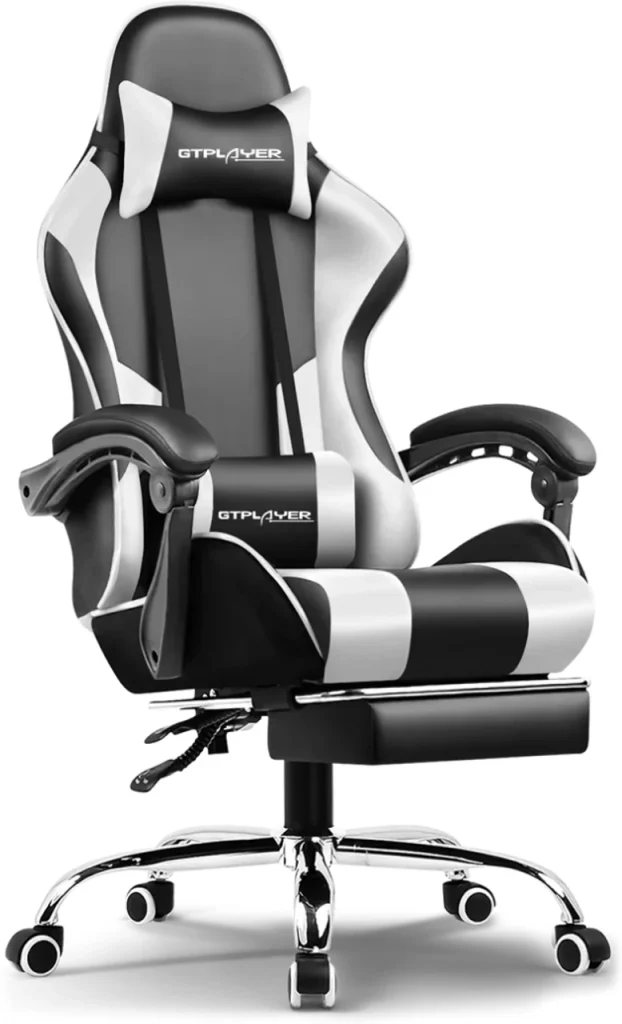
Best Ergonomic Gaming & Computer Chair
-
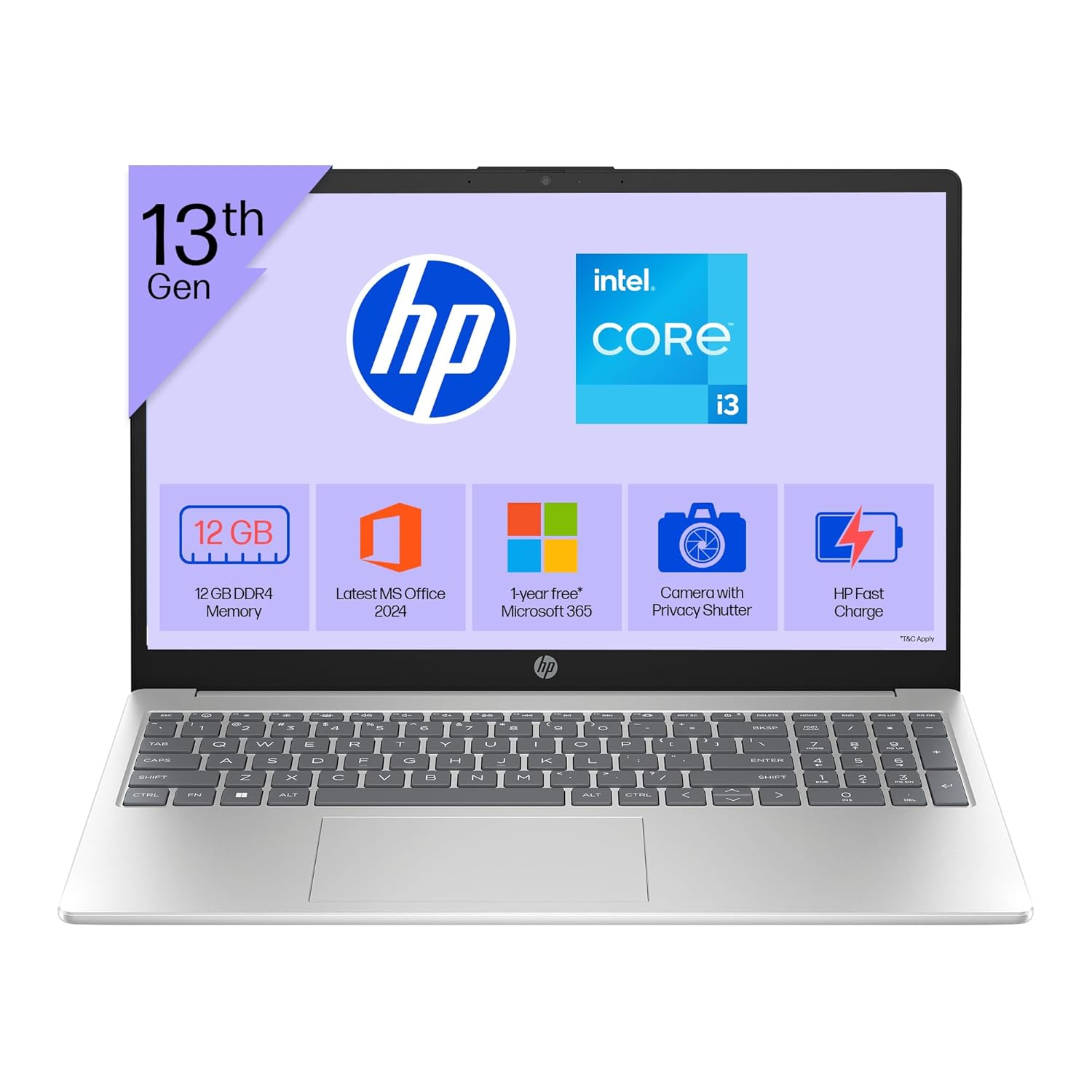
HP 15 Laptop – 13th Gen Intel Core i3 (12GB RAM, 512GB SSD)
Original price was: ₹52,721.00.₹33,990.00Current price is: ₹33,990.00. -

Lenovo SmartChoice Chromebook (82UY0014HA) – Compact & Affordable Everyday Laptop
-

Master Excel, Access, Macros & SQL – All in One Course
-

Noise Buds VS102
Original price was: ₹2,999.00.₹799.00Current price is: ₹799.00.