Category: Travel

  • Night Drive to the Kumaon Hills: A 5-Day Mukteshwar, Almora & Ranikhet Road Trip

    Travelers looking for a peaceful Himalayan holiday often end up crowding popular destinations. If you want serenity, pine forests, panoramic views, and slow mountain life, a road trip to Mukteshwar, Almora, and Ranikhet is the perfect alternative. This blog outlines a 5-day road trip from Noida by cab, starting overnight, covering quiet hill towns and hidden gems—strictly excluding Nainital and Bhimtal.

    This itinerary is ideal for families, couples, and working professionals who want a relaxed yet immersive Uttarakhand experience.


    Why Choose This Route?

    This route focuses on elevated hill stations with less tourist pressure:

    • Mukteshwar: Known for Himalayan views and apple orchards
    • Almora: Cultural heart of Kumaon
    • Ranikhet: Cantonment town with golf courses and forest walks

    The journey avoids overtourism while still offering scenic beauty, temples, wildlife, and local culture.


    Travel Overview

    DetailsInformation
    Starting PointNoida
    TransportPrivate Cab
    Duration5 Days / 4 Nights
    Best TimeMarch–June, September–November
    Route TypeHill Road Trip
    Crowd LevelLow to Moderate

    Night Before Day 1: Noida to Mukteshwar (Overnight Drive)

    Departure Time: 9:00–10:00 PM
    Distance: Approx. 360 km
    Driving Time: 9–10 hours

    Start from Noida at night to avoid traffic and reach the hills by early morning. The overnight drive ensures you save a day and wake up surrounded by mountains.

    Suggested Route:
    Noida → Hapur → Rudrapur → Haldwani → Mukteshwar (hill ascent after Haldwani)

    Stop once for tea near Rudrapur and fuel up in Haldwani before starting the climb.


    Day 1: Arrival & Exploring Mukteshwar

    Early Morning Arrival: 6:00–7:00 AM

    After checking into your hotel, rest for a while before stepping out to explore Mukteshwar.

    Places to Visit in Mukteshwar

    AttractionWhy Visit
    Mukteshwar Temple350-year-old Shiva temple
    Chauli Ki JaliCliff-edge viewpoint
    Sunset PointHimalayan range views
    Local Forest WalksPeaceful pine trails

    Mukteshwar sits at around 7,500 feet, offering stunning views of Nanda Devi on clear days. The area is perfect for digital detox and slow travel.

    Overnight Stay: Mukteshwar


    Day 2: Mukteshwar to Almora via Scenic Villages

    Distance: 50 km
    Driving Time: 2–2.5 hours

    Take a relaxed breakfast and start late morning. The road between Mukteshwar and Almora passes through apple orchards and small Kumaoni villages.

    En-Route Experiences

    StopExperience
    Local Tea StallsKumaoni chai
    Fruit OrchardsSeasonal apples/pears
    Hill ViewsValley photography

    Almora Sightseeing (Half Day)

    PlaceHighlights
    Bright End CornerSunrise and sunset
    Chitai Golu Devta TempleBell offerings
    Lala BazaarLocal handicrafts

    Almora is more cultural than touristic, making it ideal for understanding Kumaon’s heritage.

    Overnight Stay: Almora


    Day 3: Almora to Ranikhet with Local Exploration

    Distance: 30 km
    Driving Time: 1.5 hours

    This short drive allows ample time to explore both locations without rush.

    Places to Visit in Ranikhet

    AttractionDescription
    Chaubatia GardensApple orchards
    Jhula Devi TempleAncient bells
    Ranikhet Golf CourseOpen views
    Cantonment WalksPine forests & calm roads

    Ranikhet’s military presence ensures well-maintained roads, cleanliness, and a peaceful atmosphere.

    Overnight Stay: Ranikhet


    Day 4: Leisure Day in Ranikhet & Nearby Areas

    This day is deliberately kept open and flexible for relaxation or slow exploration.

    Optional Activities

    ActivityBenefit
    Morning WalksClean air & birdwatching
    Local CafesMountain food
    Short DrivesHidden viewpoints
    PhotographySnow peaks in clear weather

    Avoid rushing into multiple attractions. Use this day to absorb the environment.

    Overnight Stay: Ranikhet


    Day 5: Ranikhet to Noida (Return Journey)

    Departure Time: Early morning (6:00–7:00 AM)
    Distance: Approx. 350 km
    Driving Time: 9–10 hours

    Descend towards Haldwani and continue back to Noida. Morning departure helps avoid hill fog and evening city traffic.


    Approximate Travel Costs (Indicative)

    ExpenseEstimated Range
    Cab (5 Days)₹22,000–₹28,000
    Hotels (Mid-Range)₹2,500–₹4,000 per night
    Food₹800–₹1,200 per day
    Total Budget₹30,000–₹40,000 per person (approx.)

    Costs vary by season and hotel choices.


    Travel Tips for This Route

    • Carry motion-sickness medicine for hilly roads
    • Avoid night driving in hills after Day 1
    • Mobile networks may be patchy in Mukteshwar
    • Keep cash for local shops
    • Pack warm clothes even in summer

    Who Is This Trip Best For?

    • Travelers avoiding crowded destinations
    • Families seeking safe, calm hill stations
    • Couples wanting scenic stays
    • Remote workers looking for serenity

    Final Thoughts

    This 5-day Mukteshwar–Almora–Ranikhet circuit is an excellent alternative to overcommercialized hill stations. Starting with a night drive from Noida maximizes your time while keeping the schedule relaxed. With scenic roads, cultural depth, and peaceful landscapes, this trip delivers a true Kumaon experience.


    Disclaimer

    This travel plan is for informational purposes only. Road conditions, weather, travel times, and accommodation availability may vary based on season and local circumstances. Travelers are advised to verify details and take necessary safety precautions before planning their journey.
  • Understanding All Charges in Outstation Cab Booking: Complete Breakdown of State Tax, Toll, Parking, Driver Allowance, and Total Fare Calculation

    Booking an outstation cab through platforms like Ola Outstation, Uber Intercity, MakeMyTrip Cab, or Gozo Cabs has become extremely popular due to the convenience, fixed pricing, and availability for both short and long routes. However, many passengers get surprised when the final bill shows a significantly higher amount than the initial app estimate. This happens because outstation cab fares involve multiple Government taxes, toll charges, and platform-specific charges which are added during the journey or at the end.

    This detailed article explains every single charge involved, with real figures, calculations, and two complete examples. If you want complete transparency before booking your next trip, this guide will help you understand the full cost structure.


    Why Outstation Cab Bills Are Higher Than the Base Fare

    Most users believe that the fare shown on the app includes everything. But for interstate travel, the final bill includes several additional charges such as:

    • State Entry Tax
    • State Transit Tax (if crossing another state)
    • Toll Charges
    • MCD or Municipal Charges
    • Parking Charges
    • Driver Allowance
    • Extra Kilometers
    • GST on the full bill

    These charges are mandated by government rules or platform policies, and none of them are optional.


    Complete List of Charges in Outstation Round Trip Cab Booking

    Below is the full breakdown of what you actually pay beyond the regular per-kilometer rate.


    1. State Entry Tax of the Destination State

    Whenever a cab crosses into another state, the cab operator must pay entry tax or permit tax for passenger vehicles. This tax differs from state to state.

    • The tax can range from ₹150 to ₹1,000 per entry, depending on the state.
    • Some states charge a fixed one-time fee.
    • Some charge a time-based fee (24 hours or 72 hours validity).
    • Some charge based on vehicle type (sedan, SUV, commercial taxi).

    This tax is compulsory and is added to your bill.


    2. Transit State Tax (If a State Is Crossed on the Way)

    If the cab passes through another state on the way to your destination, that state may also charge transit tax, even if you are not staying there.

    For example:
    Delhi → Uttarakhand
    Route crosses Uttar Pradesh territory, so UP transit tax may apply.

    This adds another ₹100 to ₹400 depending on the region.


    3. Toll Charges

    Toll charges depend on the number of toll plazas on the route.

    • Tolls on national highways can range from ₹60 to ₹250 per toll.
    • For long routes, tolls can add up to ₹500 to ₹2,000 per round trip.
    • The apps add tolls automatically to your bill.

    4. MCD or Municipal Entry Charges

    Certain metro cities impose municipal charges or congestion fees. Examples include:

    • MCD fees for entering Delhi
    • Environmental Compensation Charge (ECC)
    • City entry tax

    These charges can be ₹50 to ₹200 depending on vehicle type and time of day.


    5. Parking Charges

    Parking charges may apply at:

    • Airports
    • Hotels
    • Tourist spots
    • Railway stations

    Parking may cost ₹20 to ₹200, depending on the location.

    These are usually directly payable to the parking authority but billed to the passenger.


    6. Driver Allowance (Per Day)

    Outstation rides require the driver to be away from home for one or more days. Hence, companies add:

    • Driver Allowance: ₹300 to ₹500 per day
    • Night Allowance: ₹100 to ₹200 extra in some cities

    If your trip is for 2 or 3 days, this allowance increases accordingly.


    7. Extra Kilometer Charges

    Outstation round trips come with a minimum kilometer usage rule.

    Example minimum km per day:

    • 250 km
    • 300 km

    If your actual travel exceeds the allowed km, you pay extra per km such as:

    • Sedan: ₹12 to ₹14 per km
    • SUV: ₹16 to ₹20 per km

    Extra km charges can significantly increase the final bill.


    8. GST on Total Bill

    After adding:

    Base fare

    • Tolls
    • Driver allowance
    • Extra km
    • State tax
    • Parking
    • MCD
      = A subtotal is created.

    On this subtotal, 5% GST is added.
    For large trips, GST alone may cross ₹200 to ₹400.


    Summary Table of All Outstation Charges

    Charge TypeExplanation
    State Entry TaxMandatory tax for entering destination state
    Transit TaxAdditional tax for passing through another state
    Toll ChargesHighway toll plazas on the route
    MCD / ECCMunicipal entry charges in metro areas
    Parking ChargesAirports, hotels, sightseeing spots
    Extra KM ChargeIf allowed km limit is crossed
    Driver AllowancePer-day extra charge
    GST5% tax added on final bill

    Example 1: Delhi to Jaipur Round Trip (Realistic Estimation)

    Trip Details:

    • Distance: 550 km (round trip)
    • Car Type: Sedan
    • Days Required: 1 Day
    • Minimum km rule: 250 km per day
    • Per km rate: ₹13

    Cost Calculation:

    1. Base Fare
    • 550 km × ₹13 = ₹7,150
    1. Toll Charges
    • 4 toll plazas × avg ₹95 = ₹380
    1. Rajasthan Entry Tax
    • State tax ≈ ₹300
    1. Driver Allowance
    • 1 day = ₹350
    1. GST
    • 5% of subtotal
      Subtotal = 7,150 + 380 + 300 + 350 = ₹8,180
      GST = 5% = ₹409

    Final Estimated Total

    ₹8,589 (Approx.)

    This is a typical bill for a Delhi–Jaipur return trip with no extra km beyond 550.


    Example 2: Mumbai to Lonavala Round Trip (Realistic Estimation)

    Trip Details:

    • Distance: 180 km (round trip)
    • Car: SUV
    • Per km rate: ₹18
    • Minimum km rule: 250 km per day
    • Extra km charged up to minimum rule
    • Days: 1 day

    Cost Calculation:

    1. Base Fare
      Minimum km rule applies: 250 km × ₹18 = ₹4,500
    2. Toll Charges
      Mumbai–Pune expressway toll (one side × 2)
      ₹270 × 2 = ₹540
    3. Driver Allowance
      ₹400 per day = ₹400
    4. GST
      Subtotal = 4,500 + 540 + 400 = ₹5,440
      GST 5% = ₹272

    Final Estimated Total

    ₹5,712 (Approx.)

    This is the normal cost for a Lonavala day trip because minimum km rule forces additional billing.


    Final Thoughts

    Outstation cab booking provides comfort and flexibility, but passengers must understand that the initial fare shown on apps does not include many mandatory government charges like tolls, state taxes, municipal fees, and driver allowances. The total amount may appear high, but each component is a fair and transparent part of interstate travel rules.

    Before booking, always check:

    • Minimum km per day
    • Driver allowance
    • State entry fees
    • Applicable tolls
    • GST implications

    Understanding these cost elements helps avoid surprises and allows you to calculate your final travel budget more accurately.


    Disclaimer

    All fare estimations, taxes, and charges mentioned in this article are indicative and vary from state to state, car category, platform policies, and seasonal changes. These figures are provided for educational and reference purposes. Always confirm charges during actual booking for the most accurate cost.


  • Complete 3-Day Jaipur Trip Itinerary from Delhi Covering Jaipur Forts, Heritage Attractions and Khatu Shyam Ji Temple with Distance, Timings and Travel Plan

    A well-planned 3-day trip to Jaipur from Delhi is ideal for travelers who want to explore Rajasthan’s royal heritage, ancient forts, colorful markets and spiritual destinations. With excellent highway connectivity, Jaipur is one of the most accessible weekend getaways from Delhi. Adding Khatu Shyam Ji Temple to the itinerary makes the journey even more meaningful, as the shrine is one of the most visited spiritual places in the region.

    This guide presents a complete and optimized 3-day itinerary that includes top attractions in Jaipur, immersive cultural experiences and a smooth visit to Khatu Shyam Ji. With detailed distances, timings, sightseeing patterns and practical tips, this article is specially crafted for travelers seeking a balanced, enjoyable and efficient travel plan.


    Why This 3-Day Jaipur Plan Works Best from Delhi

    Travel from Delhi to Jaipur via NH48 is smooth, wide and well-maintained, covering around 280 kilometers typically in 5 to 5.5 hours. By planning Day 3 for Khatu Shyam and returning to Delhi in the evening, travelers save time and avoid unnecessary detours. Jaipur itself contains many attractions located close to each other, making it possible to explore most of the city within two days before visiting Khatu on the final day.

    This itinerary divides travel smartly, avoids rush, and ensures maximum coverage including forts, palaces, markets and the holy temple of Khatu Shyam Ji.


    Day 1: Delhi to Jaipur and Half-Day Jaipur Sightseeing

    Start your journey early in the morning from Delhi, ideally around 6 AM. This timing ensures that you reach Jaipur between 11 AM and 12 PM, leaving the entire afternoon and evening for local exploration. The Delhi-Jaipur highway offers reliable stopovers, clean eateries and service stations throughout the route.

    After checking into your hotel in a central location such as MI Road, Bani Park or C-Scheme, begin your exploration with Jaipur’s iconic attractions.

    Key Places to Visit on Day 1

    1. Hawa Mahal (Outside View)
      Known for its beautiful honeycomb-like façade, this 18th-century monument is one of Rajasthan’s most photographed landmarks.
    2. City Palace
      Located in the heart of Jaipur, City Palace features courtyards, royal museums, textile galleries and intricately designed gates showcasing Rajput and Mughal fusion architecture.
    3. Jantar Mantar
      One of the oldest astronomical observatories in India, it features massive instruments used historically to measure celestial movements.

    Evening Experience

    Travelers can choose between the following to conclude the day:

    • Chokhi Dhani Village Experience
      A cultural showcase of Rajasthani food, dance and village-style entertainment.
    • Amber Fort Light and Sound Show
      An evening show narrating the history of the Kachhwaha dynasty against the backdrop of the Amber Fort.
    • Shopping at Bapu Bazaar or Johari Bazaar
      Ideal for buying textile work, traditional clothes, jewelry and handicrafts.

    Return to your hotel for overnight rest.


    Day 2: Jaipur Forts and Heritage Spots

    Day 2 is the most important sightseeing day in Jaipur, covering the city’s major forts and historical structures. Begin your morning early to avoid crowds and afternoon heat, especially at Amber Fort.

    Morning Attractions

    1. Amber Fort
      Spread over a large hilltop area and built using sandstone and marble, Amber Fort is among the most impressive structures in Rajasthan. Key spots inside include Sheesh Mahal, courtyards, rampart walkways and palace interiors. A thorough visit takes around two hours.
    2. Panna Meena Ka Kund
      A traditional stepwell located near Amber, known for its symmetrical steps and tranquil surroundings. It is ideal for quick photography.
    3. Jal Mahal
      Situated in the middle of Man Sagar Lake, this palace appears to float on water, offering scenic views especially in early hours.

    Afternoon Exploration

    After lunch, proceed to the central part of Jaipur.

    1. Albert Hall Museum
      Rajasthan’s oldest museum known for its Indo-Saracenic architecture and large collections of artifacts, sculptures, paintings and carpets.
    2. Birla Mandir
      A white marble temple dedicated to Lord Vishnu and Goddess Lakshmi. The peaceful ambiance makes it a good stop after a day of exploration.
    3. Optional Sunset Point:
      • Nahargarh Fort
      • Jaigarh Fort
        These locations offer panoramic views of the entire city and are perfect for photography lovers.

    Evening in Jaipur

    Spend your final evening in Jaipur exploring street markets or enjoying a rooftop dinner with views of the city’s illuminated monuments.


    Day 3: Jaipur to Khatu Shyam Ji and Return to Delhi

    Begin early and leave Jaipur around 6 AM to reach Khatu Shyam Ji Temple conveniently. The drive covers approximately 80 to 85 kilometers and takes about one and a half to two hours.

    Khatu Shyam Ji Visit

    Khatu Shyam Ji Temple is known for its significance in Hindu belief and is a major pilgrimage spot. Darshan facilities are well-organized, but weekends and festival days may attract long queues. Early morning visits are recommended for a peaceful experience.

    Important points for Khatu visit:

    • Footwear stands are available outside the temple area.
    • Photography inside the main temple is usually restricted.
    • Facilities for prasad, offerings and queue management are standard.
    • The temple attracts thousands of visitors daily during peak season.

    Return Journey to Delhi

    After darshan and a light meal, begin the return trip to Delhi. The distance from Khatu to Delhi is around 270 kilometers and typically takes about five to five and a half hours via NH48. With an early start from Jaipur, arrival in Delhi is usually around 6 PM, depending on traffic and stopping time.


    3-Day Summary Travel Table

    DayPlan
    Day 1Delhi to Jaipur, visit Hawa Mahal, City Palace, Jantar Mantar, evening cultural activity or shopping
    Day 2Amber Fort, Panna Meena Kund, Jal Mahal, Albert Hall Museum, Birla Mandir, Jaipur markets
    Day 3Jaipur to Khatu Shyam Ji Temple and return to Delhi

    Helpful Travel Tips

    • Best months to visit: October to March due to pleasant temperatures.
    • Carry comfortable footwear as Jaipur’s forts require extensive walking.
    • Keep early morning slots for Amber Fort and Khatu Shyam to avoid crowds.
    • Weekends in Jaipur can be busier; plan visiting hours accordingly.
    • Try local Rajasthani food such as dal-bati churma, gatte ki sabzi and traditional sweets.
    • Jaipur markets are best explored in the evening for vibrant street life and better variety.

    Disclaimer

    This travel guide is created for informational purposes and helps in planning a self-guided trip. Travelers should verify travel timings, local regulations, weather updates and conditions before travelling.


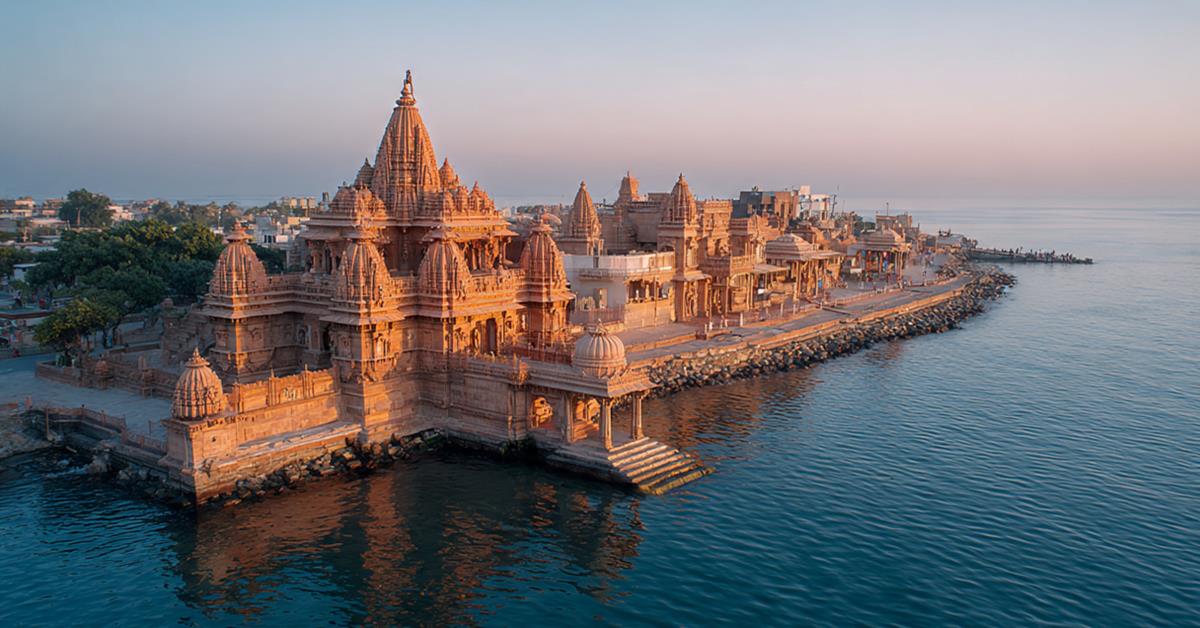
  • Complete 5-Day Gujarat Travel Itinerary from Delhi via Ahmedabad Covering Gir National Park, Somnath, Dwarka and the Great Rann of Kutch with Distances, Travel Facts, and Best Route Planning

    Gujarat is one of India’s most diverse travel destinations, offering wildlife, desert landscapes, spiritual sites, rich coastal towns and centuries-old architecture. For travelers coming from Delhi, planning an efficient route is essential because the state covers long distances and lies across a widespread coastal and desert region. This detailed 5-day Gujarat itinerary begins and ends in Ahmedabad, covering four major attractions: Gir National Park, Somnath Temple, Dwarka and the Great Rann of Kutch. The plan ensures minimum backtracking and maximum sightseeing within a tight schedule.

    Late December, when temperatures range from 14 to 28 degrees Celsius across most parts of Gujarat, is considered one of the best times to travel. Pleasant days, cooler evenings, clear skies and festive energy at the Rann of Kutch make this season ideal for a long, multi-city trip.

    This guide provides a complete travel plan, distances, timings, sightseeing order, travel facts and useful tips to help you execute the perfect 5-day Gujarat trip from Delhi.


    Why This Ahmedabad-Based Itinerary Works

    Many travelers first consider flying directly to Jamnagar to reach Dwarka quickly. However, flight prices to Jamnagar often remain significantly higher compared to Ahmedabad. Ahmedabad also offers more flight options, better connectivity, multiple vehicle rental choices and easier movement in and out of Gujarat.

    This itinerary is designed based on Ahmedabad arrival and departure, ensuring:

    • Minimum repeated routes
    • Quickest access to Gir National Park
    • Smooth transition between coastal and desert regions
    • Balanced travel and sightseeing hours
    • Efficient final-day exit via Bhuj Airport

    With over 2,500 km of smooth highways, Gujarat is extremely road trip friendly, making long-distance travel comfortable throughout.


    Day 1: Delhi to Ahmedabad, Local Exploration and Transfer to Gir

    Start your day by taking an early flight from Delhi to Ahmedabad. Ahmedabad Airport receives more than 90 daily flights, making it the most economical and convenient entry point. After arriving by late morning, visitors can explore a few quick attractions within Ahmedabad before beginning the journey toward Gir National Park.

    Recommended quick visits include:

    • Sabarmati Riverfront for a relaxing walk
    • Adalaj Stepwell for traditional architecture
    • Sabarmati Ashram for a brief historical experience

    After a short local tour, start the road trip from Ahmedabad to Gir National Park. The distance is approximately 355 kilometers, and the drive takes about six to seven hours using state and national highways that remain in excellent condition.

    Arrive at Gir by evening and check into a resort surrounded by forest landscapes. Travelers may visit Devaliya Safari Park in the evening if time permits. Overnight stay is at Gir.


    Day 2: Gir Safari, Somnath Temple Visit and Arrival in Dwarka

    Begin early around sunrise for the Gir Jungle Safari. The national park spreads across more than 1,400 square kilometers and is home to the world’s only population of Asiatic Lions. Morning safaris offer the highest probability of spotting wildlife, including lions, leopards, deer, jackals and hundreds of bird species.

    After completing the safari by mid-morning, drive to Somnath, located about 55 kilometers from Gir. The Somnath Temple is one of the most important Jyotirlingas and holds immense spiritual and historical significance. A quick visit to the Somnath beach is also recommended for its clean coastal stretch and peaceful environment.

    By early afternoon, proceed toward Dwarka. The distance from Somnath to Dwarka is approximately 240 kilometers, taking about four and a half to five hours. The coastal route offers scenic views and smooth travel throughout. After reaching Dwarka in the evening, head to the Dwarkadhish Temple for the evening aarti. Overnight stay is in Dwarka.


    Day 3: Full Day Dwarka Sightseeing

    Day 3 is dedicated entirely to Dwarka. Known as the ancient kingdom of Lord Krishna, Dwarka remains one of India’s most important pilgrimage destinations. Travelers can begin the day by participating in the morning aarti at the Dwarkadhish Temple.

    Key places to visit in Dwarka include:

    • Gomti Ghat for riverside views and traditional rituals
    • Sudama Setu, a pedestrian bridge offering scenic coastal views
    • Rukmini Devi Temple located a short drive from the main city
    • Local markets for traditional handicrafts

    If time allows, a recommended extended trip is to Bet Dwarka, an island located about 25 kilometers away, accessible through a short ferry ride. The island offers old temples, calm beaches and a simple coastal charm.

    Evening options include watching the sunset at Dwarka Beach or spending more time at Dwarkadhish Temple. Night stay remains in Dwarka.


    Day 4: Dwarka to Great Rann of Kutch (Dhordo)

    This is the longest travel day of the itinerary but also one of the most rewarding. Begin early in the morning for the drive from Dwarka to Dhordo, the gateway to the Great Rann of Kutch. The distance is nearly 520 kilometers and can take about eight to nine hours due to multiple zones of the state being crossed.

    Upon reaching Dhordo, travelers check into desert camps or tent city accommodations, especially popular during the Rann Utsav. The White Rann of Kutch stretches over thousands of square kilometers and transforms into a glowing salt desert under the evening sun.

    After settling in, visit the White Desert in the evening to witness the famous sunset over the salt plains. Cultural programs, traditional dance performances, craft exhibitions and local cuisine experiences are commonly available during the festival months. Spend the night in Dhordo to enjoy the peaceful desert environment.


    Day 5: Great Rann Sightseeing and Departure via Bhuj

    On the last day, start early to experience the sunrise at the White Rann, which provides a completely different view from the evening session. Visitors may also explore Kalo Dungar, also known as Black Hill, which is the highest point in the Kutch region and offers panoramic desert views.

    Handicraft villages around Dhordo and Bhuj offer excellent opportunities to buy embroidered fabrics, leather crafts and mirror-work textiles. After local shopping and sightseeing, head toward Bhuj Airport for the return journey.

    Depending on flight availability, travelers can:

    • Take a direct Bhuj to Delhi flight
    • Or fly from Bhuj to Ahmedabad and then continue to Delhi

    Both options ensure a smooth end to the trip without returning by road to Ahmedabad.


    5-Day Plan Overview Table

    DayPlan Details
    Day 1Delhi to Ahmedabad, short local tour, travel to Gir
    Day 2Gir Safari, visit Somnath Temple, reach Dwarka
    Day 3Full-day Dwarka sightseeing and temple visits
    Day 4Drive to Great Rann of Kutch and evening desert visit
    Day 5Sunrise at White Rann, travel to Bhuj and departure

    Useful Travel Tips

    • Winter nights in Kutch can drop to 8 to 10 degrees Celsius. Carry warm clothing.
    • Book Gir safaris at least one to two weeks in advance due to high seasonal demand.
    • Long drives require early starts; distances in Gujarat are large but roads are smooth and well-maintained.
    • Rann Utsav tents get booked early in December; pre-booking avoids last-minute issues.
    • Many restaurants along highways serve fresh Gujarati thalis, which are ideal for long travel days.
    • Try to keep luggage slightly light for easier movement between coastal, forest and desert zones.

    Disclaimer

    This article is created purely for informational and travel planning purposes. It is not affiliated with any tourism board, airline or booking service. Travelers should cross-check dates, timings and personal suitability before planning their trip.


  • Best Apps for Outstation Cab Booking in India: Complete Comparison of Features, Speed, Comfort, Pricing, and Reliability for Long-Distance Travel

    Outstation cab travel in India has grown rapidly over the past few years. Whether it is a weekend getaway, business travel, inter-state journey, airport transfer, family trip, or emergency travel, outstation taxi services have become a preferred mode of long-distance transportation. With the rise of app-based mobility solutions, booking a reliable outstation cab has become easier, faster, and more transparent.

    But with so many apps available, choosing the best one can be confusing. Each app offers different benefits such as one-way routes, round-trip packages, luxury cars, transparent pricing, multi-city travel, and verified drivers. This detailed blog compares the top apps for outstation cab booking in India and helps users choose the most suitable option based on comfort, price, availability, and route coverage.

    This article includes tables, feature analysis, example routes, pricing insights, and performance comparisons to give you a complete understanding of the best outstation cab apps.


    Why Outstation Cab Apps Are Growing So Quickly

    Outstation app bookings have increased significantly due to the following reasons:

    • Faster booking process compared to offline agents
    • Transparent pricing with clear inclusions
    • Verified drivers and safer long-distance travel
    • Access to multiple car types (Hatchback, Sedan, SUV, Premium)
    • Flexible one-way and round-trip options
    • Growth in domestic tourism
    • Convenience of doorstep pickup

    Industry data suggests that outstation cab demand in India has grown by nearly 35 percent in the last three years, with tier-2 cities contributing almost 40 percent of that growth.


    Key Factors to Consider When Choosing an Outstation Cab App

    Before booking a cab, it is important to compare apps based on:

    • Route Coverage
    • Car Availability
    • Driver Quality and Ratings
    • Fare Transparency
    • One-Way vs Round-Trip Pricing
    • Safety Features
    • Customer Support
    • Refund and Cancellation Policies
    • Estimated Time of Arrival (ETA)

    These factors significantly impact the overall travel experience.


    Top Apps for Outstation Cab Booking in India

    After evaluating service quality, pricing, customer experience, and coverage, the top three apps that consistently perform well for outstation cab bookings in India are:

    1. Savaari Car Rental
    2. CabBazar
    3. MakeMyTrip Outstation Cabs

    Let’s explore each of them in detail.


    1. Savaari Car Rental

    Savaari is one of India’s most widely used apps for outstation cab services, with strong coverage across major and minor cities.

    Key Highlights

    • Specialises in outstation travel
    • Coverage across more than 2000 cities and lakhs of routes
    • Transparent pricing structure
    • Verified chauffeurs with professional training
    • Multiple vehicle choices including premium cars

    Strengths

    • Excellent reliability for long trips
    • No last-minute cancellations in most cases
    • Trusted by frequent corporate and family travellers

    Best For

    Travellers looking for comfort, reliability, and professional long-distance service.


    2. CabBazar

    CabBazar is known for its competitive pricing and wide availability across popular outstation routes in India.

    Key Highlights

    • Strong one-way cab network
    • Budget-friendly rates
    • Many local driver partners ensuring quick availability
    • Offers hatchback, sedan, and SUV options

    Strengths

    • Good option for cost-conscious travellers
    • Wide range of route options
    • Transparent per-kilometre pricing

    Best For

    Travellers who want affordable outstation cab services without compromising on basic comfort.


    3. MakeMyTrip Outstation Cabs

    MakeMyTrip, a popular travel platform, also provides dependable outstation cab services.

    Key Highlights

    • Strong brand trust
    • Easy booking interface
    • Combines cab booking with hotels or flights
    • Good coverage across major cities

    Strengths

    • Reliable customer support
    • Best suited when booking a trip package
    • Verified car partners

    Best For

    Travellers who want a one-stop solution for cabs, hotels, and flights together.


    Comparative Analysis of Top Outstation Cab Apps

    Table 1: Feature Comparison

    FeatureBest App
    Long-distance comfortSavaari
    Budget-friendly optionsCabBazar
    Best for combined travel packagesMakeMyTrip
    Driver professionalismSavaari
    Wide route availabilitySavaari
    Cheapest one-way faresCabBazar
    Strong customer supportMakeMyTrip
    Vehicle varietySavaari
    Best for family travelSavaari
    Best for casual weekend tripsCabBazar

    Detailed Performance Comparison

    1. Speed of Booking

    • Savaari offers quick match times due to extensive driver network.
    • CabBazar is fast for one-way routes where demand is high.
    • MakeMyTrip provides a polished interface with smooth booking flow.

    2. Route Coverage

    Savaari leads with widespread coverage, especially for tier-2 and tier-3 cities.
    CabBazar is strong on popular outstation routes.
    MakeMyTrip offers reliable coverage but not as dense in remote areas.

    3. Fare Transparency

    Savaari and CabBazar both display clear cost breakdowns.
    MakeMyTrip includes competitive fares but may vary depending on travel seasons.

    4. Driver Quality

    Savaari focuses on trained drivers with long road experience.
    CabBazar partners with local drivers; quality varies but is generally good.
    MakeMyTrip works with professional service providers.

    5. Car Options

    Savaari offers the widest variety: hatchbacks to luxury sedans and full-size SUVs.
    CabBazar offers standard options.
    MakeMyTrip offers mostly mid-range vehicles.

    6. Cancellation and Support

    MakeMyTrip provides one of the best support systems.
    Savaari offers strong customer backing.
    CabBazar offers support, though response times can vary.


    Example Outstation Routes and Approximate Expectations

    Below are sample experiences based on common long-distance routes.

    Route 1: Bangalore to Coorg

    • Savaari: Comfortable sedans and SUVs, trained drivers
    • CabBazar: Budget options with hatchbacks
    • MakeMyTrip: Standard sedans

    Route 2: Delhi to Jaipur

    • Savaari: Reliable and popular for family trips
    • CabBazar: Affordable one-way trips
    • MakeMyTrip: Good if combined with hotel booking

    Route 3: Mumbai to Pune

    • Savaari: Most professional service
    • CabBazar: Fast availability
    • MakeMyTrip: Smooth online booking

    Table 2: Best Use-Cases

    Travel NeedRecommended App
    Long highway road tripsSavaari
    Low-cost one-way tripsCabBazar
    Short business or sightseeing travelMakeMyTrip
    Multi-city travelSavaari
    Family trips with luggageSavaari
    Solo budget travelCabBazar
    Trip packagesMakeMyTrip

    Figures and Insights

    Here are some insights based on general travel trends in India:

    • Nearly 45 percent of outstation cab bookings are for weekend travel.
    • Sedans account for 52 percent of outstation preferences, followed by SUVs at 35 percent.
    • Around 30 percent of users prefer one-way trips over round-trip bookings.
    • Savaari has one of the widest verified driver networks among outstation-only platforms.
    • Budget-conscious travellers frequently choose CabBazar due to competitive pricing.
    • MakeMyTrip sees high cab bookings from users who combine hotel or flight reservations.
    • User retention for dedicated outstation apps is nearly 35 percent higher compared to local taxi apps.

    Which App Should You Choose?

    Your ideal app depends on your travel needs:

    Choose Savaari if you want:

    • Reliable long-distance travel
    • Professional chauffeurs
    • Comfortable and clean vehicles
    • Best for family trips and multi-city journeys

    Choose CabBazar if you want:

    • Affordable pricing
    • One-way travel options
    • Quick availability on popular routes

    Choose MakeMyTrip if you want:

    • Combined bookings with hotels and flights
    • Strong support and trusted service
    • A smooth booking experience

    Conclusion

    Outstation cab booking apps have made long-distance travel in India more comfortable, accessible, and transparent. While multiple apps offer outstation services, Savaari, CabBazar, and MakeMyTrip stand out for their reliability, pricing, and wide route coverage.

    Savaari excels in professional long-distance services, CabBazar leads in budget-friendly one-way options, and MakeMyTrip is ideal for users who want full travel packages. Understanding your travel priorities helps you choose the best app for your journey.

    With increasing digital adoption, more travellers are now booking outstation trips online, making these apps an essential part of modern travel planning.


    Disclaimer

    This article is intended for informational purposes only. All comparisons and insights are based on general observations and may vary depending on location, car availability, route demand, driver partners, and travel dates. Travellers should verify details directly before booking.


  • Shimla Trip in Christmas and New Year – Complete Travel Guide for a Magical Winter Holiday

    Shimla, the Queen of Hills, transforms into a fairytale destination during Christmas and New Year. The snowy peaks, pine-covered slopes, twinkling lights, and festive cheer make it one of India’s most sought-after winter getaways. Located at an altitude of around 2,200 meters above sea level, Shimla offers a unique blend of British colonial charm, natural beauty, and holiday festivities.

    Whether you want to celebrate Christmas in cozy cafes, witness snowfall, or ring in the New Year under a blanket of stars, Shimla in December is nothing short of magical. This detailed travel guide covers everything you need to plan your Shimla trip for Christmas and New Year, including itinerary, hotels, weather, activities, and local experiences.


    Why Visit Shimla During Christmas and New Year

    December marks the beginning of peak winter in Shimla. The average temperature during this time ranges between 1°C to 10°C, often dipping below freezing at night. The town is beautifully decorated with Christmas lights, pine wreaths, and snowflakes, while hotels and cafes host live music, bonfires, and festive dinners.

    The Mall Road and Ridge become the heart of celebrations, offering local food stalls, shopping, and breathtaking views of the snow-capped mountains. For families, couples, or solo travelers, this is one of the best times to experience winter tourism in Himachal Pradesh.


    Ideal Duration for a Shimla Christmas Trip

    A 4-day to 5-day trip is perfect to explore Shimla and nearby spots like Kufri, Narkanda, and Mashobra while still having enough time to relax and enjoy the festivities.

    DurationExperience
    3 DaysQuick weekend celebration with local sightseeing
    4-5 DaysBalanced trip with Kufri, Narkanda, and local events
    6+ DaysExtended stay including Mashobra, Chail, and snow treks

    How to Reach Shimla

    ModeDetails
    By TrainThe Kalka–Shimla Toy Train (UNESCO World Heritage route) offers a scenic journey of around 5-6 hours through 102 tunnels and 864 bridges.
    By RoadShimla is about 350 km from Delhi and can be reached in 8-9 hours via NH44 and NH5. Regular Volvo and deluxe buses operate from ISBT Delhi.
    By AirThe nearest airport is Jubbarhatti (22 km) from Shimla, connected by flights from Delhi and Chandigarh.

    Suggested Itinerary for Shimla Trip (Christmas and New Year)

    Day 1: Travel from Delhi to Shimla

    • Overnight or early morning journey from Delhi (around 8–9 hours by car or bus).
    • Check-in at a hotel on or near Mall Road.
    • Evening walk around The Ridge, Christ Church, and Mall Road.
    • Enjoy local dinner featuring Himachali dishes like Siddu or Madra.

    Stay Suggestion:
    Hotel Combermere, Clarkes Hotel, or Honeymoon Inn Shimla – for a mix of comfort and scenic views.


    Day 2: Local Sightseeing and Christmas Celebration

    • Visit Jakhoo Temple (dedicated to Lord Hanuman) – offers panoramic views of Shimla town.
    • Explore Christ Church – beautifully decorated during Christmas.
    • Visit Scandal Point, Town Hall, and Lakkar Bazaar for shopping.
    • In the evening, attend Christmas Eve celebrations at Ridge or local hotels.
    • Enjoy live music, bonfire, and festive dinner.
    AttractionActivityTime Required
    Christ ChurchChristmas prayers & photography1 hour
    The RidgeFestive walk, snow view1.5 hours
    Lakkar BazaarSouvenir shopping1 hour
    Jakhoo TempleTrek or drive visit2 hours

    Day 3: Excursion to Kufri and Mashobra

    • Early breakfast and depart for Kufri (15 km) – known for skiing, yak rides, and snow adventures.
    • Visit Kufri Fun World, Himalayan Nature Park, and Mahasu Peak.
    • Later visit Mashobra for peaceful landscapes and apple orchards.
    • Return to Shimla by evening and enjoy a Christmas dinner or festive buffet.
    ActivityLocationExperience
    Skiing / Snow activitiesKufriAdventure and fun
    Nature park visitKufriWildlife photography
    Apple orchardsMashobraScenic and calm

    Day 4: Narkanda or Chail (Optional)

    • Take a day trip to Narkanda (65 km) or Chail (45 km).
    • Narkanda offers snow-covered slopes ideal for skiing and panoramic Himalayan views.
    • Chail is known for the highest cricket ground in the world and the beautiful Chail Palace.
    • Return to Shimla in the evening.

    In the evening, stroll through the Mall Road to enjoy pre-New Year events.


    Day 5: New Year Celebration and Departure

    • Begin the day with a peaceful breakfast overlooking the mountains.
    • Attend New Year’s Eve celebrations hosted by hotels and cafes.
    • Popular venues include The Ridge, Café Sol, and Hotel Willow Banks, where tourists gather for countdown parties and fireworks.
    • Depart for Delhi by night with unforgettable winter memories.

    Weather in Shimla During Christmas and New Year

    MonthAverage Day TemperatureAverage Night TemperatureSnowfall Chances
    December6°C to 10°C0°C to -2°CHigh
    January4°C to 8°C-1°C to -4°CVery High

    Tip: Carry woolens, gloves, thermals, and snow boots. If you’re visiting in late December, check road conditions due to snowfall.


    Top Things to Do in Shimla During Festive Season

    ActivityDescription
    Attend Christmas MassVisit Christ Church for a beautiful midnight service.
    Enjoy Snow ActivitiesGo skiing or sledging in Kufri or Narkanda.
    Shop Local HandicraftsExplore Lakkar Bazaar for wooden crafts and woolens.
    Café HoppingVisit heritage cafés on Mall Road for festive treats.
    Walk to Jakhoo HillEnjoy snow-covered trails and scenic views.
    Capture the SnowfallPerfect for photographers and nature lovers.

    Local Cuisine to Try in Shimla

    DishDescription
    SidduTraditional steamed Himachali bread, served with ghee.
    Chana MadraChickpeas cooked in yogurt gravy.
    Tudkiya BhathSpicy rice dish from Himachal.
    BheyThinly sliced lotus stems cooked with spices.
    BabruLocal version of kachori stuffed with black gram.
    Hot Gulab Jamun & TeaPerfect evening combination in cold weather.

    Estimated Budget for Shimla Christmas Trip (Per Person)

    Expense CategoryEstimated Cost (INR)
    Travel (Delhi to Shimla Round Trip)2500 – 4000
    Hotel Stay (3 Nights)4000 – 8000
    Food and Local Meals1500 – 2500
    Sightseeing & Local Transport1200 – 2000
    Activities & Shopping1000 – 2000
    Total Estimated Budget10,000 – 18,000 INR

    Travel Tips for Shimla in Winter

    • Book hotels in advance – the festive season is peak tourist time.
    • Start early for day trips like Kufri and Narkanda due to short daylight hours.
    • Carry snow chains for car tires if self-driving.
    • Drink plenty of water to avoid altitude dehydration.
    • Keep extra buffer time for return travel in case of snowfall delays.

    New Year Celebrations in Shimla

    Shimla welcomes the New Year with grandeur. The Ridge and Mall Road are illuminated with lights and music. Local bands perform live, and tourists gather to enjoy the countdown amid a snowy backdrop. Many hotels host gala dinners, DJ nights, and fireworks, making the last night of the year truly memorable.

    VenueCelebration Type
    The RidgePublic celebration with live music
    Café Simla TimesDinner & live performance
    Clarkes HotelNew Year Gala
    Hotel CombermereDJ Night & Buffet
    Mall RoadOpen-air celebration with crowd countdown

    Best Time to Book

    Ideally, book your hotels and transport at least one month in advance (by late November or early December) to get good deals. Prices rise sharply during the last two weeks of December.


    Conclusion

    A Shimla trip during Christmas and New Year offers a perfect mix of snowfall, celebrations, and serenity. Whether it’s sipping hot coffee on a chilly morning, joining carol singing at Christ Church, skiing in Kufri, or counting down to midnight under a starlit sky, Shimla provides an unforgettable holiday experience.

    The festive ambiance, colonial charm, and scenic beauty make it one of the best places in India to celebrate the winter holidays. If you’re planning to end the year on a high note, Shimla’s snowy embrace awaits you.


    Disclaimer

    The information provided in this article is for general guidance and travel planning purposes only. Weather conditions, hotel rates, and events may vary depending on time and circumstances. Travelers are advised to confirm all bookings and check local advisories before visiting.


  • 5 Days Jodhpur to Jaisalmer and Sam Dunes Detailed Trip Itinerary from Delhi – Complete Rajasthan Travel Guide with Hotels, Trains, and Sightseeing Plan

    Rajasthan is a land of forts, colors, and the golden desert. A perfect way to experience its royal charm and rustic beauty is by planning a 5-day trip from Delhi covering Jodhpur, Sam Dunes, and Jaisalmer. This route lets you explore the Blue City’s grandeur, the Thar Desert’s magic, and the Golden City’s heritage — all in one seamless itinerary.

    In this detailed guide, we’ll cover train schedules, hotel recommendations, day-wise sightseeing plans, desert experiences, and travel tips — everything you need to make your Rajasthan trip memorable.


    Trip Overview

    Duration5 Days / 4 Nights
    Starting PointDelhi
    DestinationsJodhpur → Sam Dunes → Jaisalmer
    Ending PointDelhi
    Best Time to VisitOctober to March
    Ideal ForFamily, Friends, Solo & Couples
    Travel ModeTrain + Private Cab

    Day 1: Overnight Journey from Delhi to Jodhpur

    Evening Departure:
    Start your Rajasthan journey by boarding an overnight train from Delhi to Jodhpur.

    Train NameTrain No.Departure (Delhi)Arrival (Jodhpur)Duration
    Mandore Express124619:15 PM7:00 AM9 hrs 45 mins
    Rajasthan Sampark Kranti124638:55 PM7:00 AM10 hrs 5 mins
    Delhi Sarai Rohilla – Jodhpur Express224827:00 PM6:30 AM11 hrs 30 mins

    Night Stay: Onboard Train.


    Day 2: Explore Jodhpur – The Blue City

    Morning:
    Arrive at Jodhpur Junction. Check into your hotel, refresh, and enjoy breakfast.

    Hotel CategorySuggested HotelsLocation
    BudgetGovind Hotel, Pushp Guest HouseNear Clock Tower
    Mid-RangeThe Arch Boutique, Kankariya HeritageNai Sarak
    LuxuryAjit Bhawan, Radisson JodhpurCircuit House Road

    Places to Visit in Jodhpur:

    AttractionEntry FeeTimingsHighlights
    Mehrangarh Fort₹2009 AM – 5 PMIconic fort with museum and city view
    Jaswant Thada₹309 AM – 5 PMMarble cenotaph near lake
    Umaid Bhawan Palace (Museum)₹609 AM – 5 PMRoyal collection and vintage cars
    Toorji ka Jhalra (Stepwell)Free8 AM – 7 PMAncient stepwell in the old city

    Lunch Suggestion:
    Try Dal Baati Churma and Makhaniya Lassi at Gypsy or Janta Sweet Home.

    Evening:
    Explore Sardar Market & Clock Tower for handicrafts, spices, and souvenirs. You can enjoy sunset views at Rao Jodha Desert Rock Park, right beside Mehrangarh Fort.

    Night Stay: Hotel in Jodhpur.


    Day 3: Jodhpur to Sam Dunes – Desert Adventure Begins

    Morning Departure:
    After early breakfast, depart for Sam Dunes (Jaisalmer region) by private cab (approx. 5–6 hours drive, 280 km).
    Enjoy the scenic desert drive and short breaks at Pokhran Fort or Ramdevra Temple along the route.

    Afternoon:
    Arrive at Sam Village, located about 40 km from Jaisalmer. Check-in at your pre-booked desert camp.

    Camp CategoryRecommended CampsFacilities
    BudgetDesert Dream Royal CampCamel Safari, Cultural Show
    Mid-RangeRajputana Desert CampJeep Safari, Rajasthani Buffet
    LuxuryPrince Desert Camp, The SeraiSwiss Tents, Bonfire, Folk Music

    Evening in the Desert:

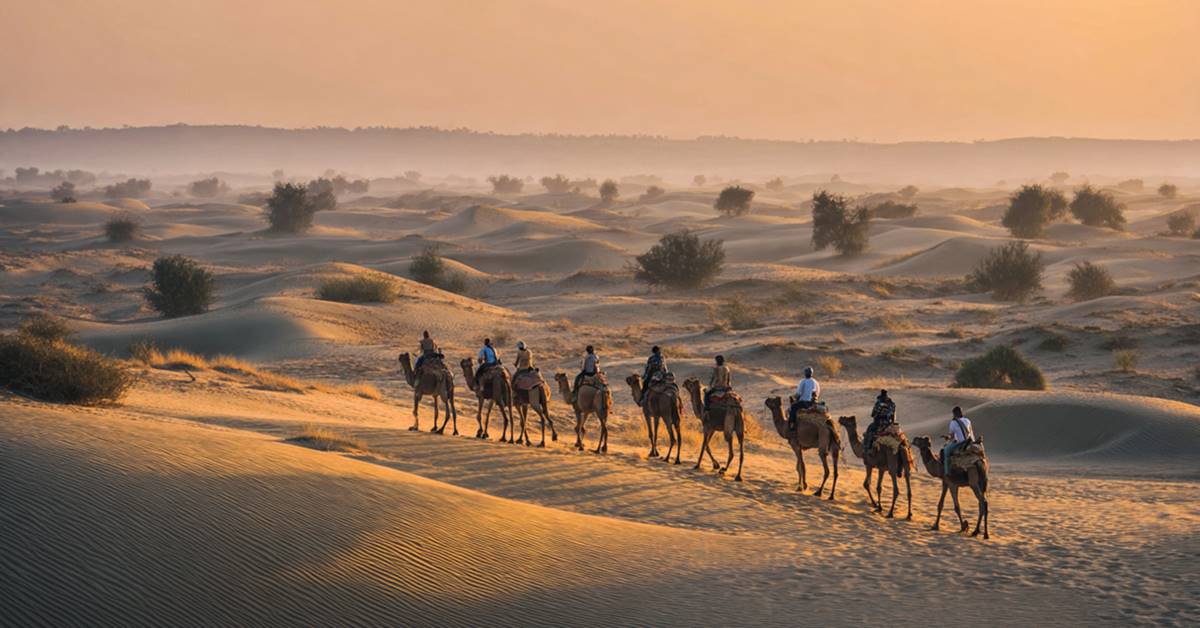
    • Enjoy Camel Safari over the dunes (5:00 PM to 6:30 PM).
    • Witness Thar Desert Sunset – a perfect photo opportunity.
    • Experience Rajasthani Folk Dance, Kalbeliya performances, and Bonfire Dinner under the starlit sky.
    • Try traditional dishes like Bajra Roti, Ker Sangri, and Gatte ki Sabzi.

    Night Stay: Desert Camp in Sam Dunes.


    Day 4: Sam Dunes to Jaisalmer – The Golden City Experience

    Morning:
    Wake up early for the mesmerizing desert sunrise. After breakfast, drive back to Jaisalmer City (approx. 1 hour).

    Check-in: At your city hotel.

    Hotel CategorySuggested HotelsLocation
    BudgetHotel Tokyo Palace, Mystic JaisalmerNear Fort
    Mid-RangeThe Gulaal, Hotel FifuHanuman Circle
    LuxuryMarriott Jaisalmer, SuryagarhSam Road

    Full-Day Jaisalmer Sightseeing

    AttractionEntry FeeTimingsHighlights
    Jaisalmer Fort (Sonar Quila)₹1009 AM – 6 PMLiving fort, Jain temples, royal palace
    Patwon ki Haveli₹1009 AM – 5 PMIntricate carvings, museum, architecture
    Nathmal ki Haveli₹509 AM – 5 PMTwin haveli with mirror work
    Salim Singh ki Haveli₹509 AM – 5 PMUnique peacock-shaped roof
    Gadisar LakeFreeSunrise – SunsetBoating and photography spot
    Bada Bagh₹508 AM – 6 PMRoyal cenotaphs and scenic sunset point
    War Museum₹559 AM – 5 PMIndian Army history and tanks display

    Lunch Recommendation:
    Try Rajasthani thali or Ker Sangri curry at a traditional restaurant near the Fort area.

    Evening:
    Walk through the old lanes of Jaisalmer, filled with sandstone houses and golden hues. End your day at Gadisar Lake for sunset views or attend the Light and Sound Show at Jaisalmer Fort (if available).

    Night Stay: Hotel in Jaisalmer.


    Day 5: Jaisalmer – Last Day Exploration and Return to Delhi

    Morning (Half Day Sightseeing):
    Utilize your morning to cover nearby attractions before departure.

    Suggested Plan:

    • Visit Kuldhara Village (Ghost Village) – 20 km from Jaisalmer. Learn the legend of the abandoned Paliwal Brahmin settlement.
    • Quick stop at Amar Sagar Jain Temple, known for its carvings and lakeside view.
    • Visit Desert Cultural Centre & Museum (₹60 entry) – perfect to understand Rajasthani instruments, turbans, and art forms.

    Afternoon:
    Have lunch at a rooftop café offering fort views. Return to hotel, pack, and get ready for your return journey.


    Return Options:

    ModeDetails
    Train (Direct)Jaisalmer–Delhi Express (14660) departs around 4:45 PM, reaches Delhi next morning 11:00 AM
    Via JodhpurDrive to Jodhpur (5–6 hrs) and take an evening train or flight to Delhi
    FlightLimited direct flights; if available, via Jaipur or Jodhpur

    Night: Overnight travel to Delhi.


    Approximate Budget (Per Person)

    Expense HeadBudget (₹)Mid-Range (₹)Luxury (₹)
    Train Tickets (Delhi–Jodhpur–Delhi)1,2002,0003,500
    Hotels & Camps (4 Nights)4,5009,00018,000
    Local Transport2,0004,0007,000
    Food & Misc.3,0005,0008,000
    Entry Fees & Activities1,0002,0003,000
    Total Estimate₹11,700₹22,000₹39,500

    Figures are approximate and may vary based on season and bookings.


    Important Travel Tips

    • Plan Desert Camp in Advance: Sam Dunes gets fully booked during winter months.
    • Carry Cash: Many smaller shops in desert regions may not accept digital payments.
    • Keep Warm Clothes: Desert nights can drop below 10°C in winter.
    • Start Early: Most forts open by 9 AM; early visits help avoid crowds.
    • Stay Hydrated: The dry desert air can dehydrate you quickly.
    • Photographers’ Tip: Best light for photos is from 7 AM – 9 AM and 4 PM – 6 PM.

    Suggested Packing Checklist

    CategoryEssentials
    ClothingCotton clothes, jacket, hat, scarf
    FootwearSandals for dunes, sneakers for forts
    HealthSunscreen, lip balm, water bottle
    ElectronicsCamera, chargers, power bank
    DocumentsTrain tickets, hotel vouchers, ID proof

    Conclusion

    This 5-day Jodhpur–Sam Dunes–Jaisalmer itinerary is the perfect way to experience Rajasthan’s diversity. From the blue streets of Jodhpur, the royal charm of Mehrangarh Fort, the golden glow of Jaisalmer Fort, to the endless dunes of Sam, every destination adds a unique layer to your journey.

    Whether you’re an adventure seeker, culture lover, or photographer, this route delivers a complete blend of heritage, desert thrill, and royal hospitality.

    Make sure to spend at least one night under the desert sky — it’s an experience you’ll remember for life.


    Disclaimer

    This itinerary is a suggested plan for informational purposes. Train timings, hotel prices, and activity availability may change seasonally. Travelers should verify current details before making reservations.


  • 6 Month Solo Travel Itinerary to Explore the Whole of India: A Complete Guide with Budget, Routes, and Practical Tips

    India is not just a country; it’s a continent of experiences wrapped in one landmass — from the snow-capped Himalayas to the deserts of Rajasthan, the dense forests of the Northeast, the beaches of Goa, and the backwaters of Kerala. Covering the whole of India in six months as a solo traveler is both a challenge and a dream. With the right plan, discipline, and mindset, it’s absolutely achievable and incredibly rewarding.

    This blog offers a complete 6-month solo India travel plan, covering the most significant regions, must-see destinations, estimated travel costs, transport suggestions, safety advice, and practical tips — ensuring a rich, memorable, and realistic journey.


    Why a 6-Month Solo Trip Across India?

    According to India’s Ministry of Tourism, domestic travel in India grew by over 20% in 2024, with solo travel witnessing a sharp rise, especially among professionals taking career breaks or working remotely. India offers unparalleled diversity — 28 states, 8 union territories, and over 1,600 spoken languages, all connected through one massive rail and road network.

    In 6 months, a solo traveler can comfortably explore each zone — North, West, South, East, and Northeast India, plus the Union Territories — while balancing travel fatigue, climate conditions, and budget limits.


    Overview: The 6-Month All-India Travel Route

    Here’s a broad division of your travel schedule:

    MonthRegionKey DestinationsEstimated Travel Cost (₹)Average Stay Duration per Place
    1North IndiaDelhi, Agra, Rajasthan, Himachal35,000–45,0003–5 days each major city
    2North-East IndiaSikkim, Assam, Meghalaya, Arunachal30,000–40,0003–4 days per state
    3East IndiaKolkata, Odisha, Bihar, Jharkhand25,000–35,0002–4 days per city
    4South IndiaTamil Nadu, Kerala, Karnataka40,000–50,0003–6 days per state
    5Western IndiaGoa, Maharashtra, Gujarat35,000–45,0003–5 days per location
    6Central & Union TerritoriesMadhya Pradesh, Varanasi, Chandigarh, Kashmir30,000–40,0002–5 days each
    Total (Approx.)₹1.8 – 2.5 lakh—

    Month 1: North India — Heritage and Himalayas

    North India sets the perfect tone — diverse in culture, architecture, and terrain.

    Route:

    Delhi → Agra → Jaipur → Jodhpur → Udaipur → Manali → Shimla → Amritsar → Dharamshala

    Highlights & Details

    • Delhi (4 days) – Start in the capital. Visit Red Fort, India Gate, Qutub Minar, and Chandni Chowk. Stay near Connaught Place for better metro connectivity.
    • Agra (2 days) – Just 230 km from Delhi (4 hours by train). Visit Taj Mahal, Agra Fort, Mehtab Bagh.
    • Jaipur (3 days) – 240 km from Agra (5 hours by bus). Explore Amber Fort, City Palace, Hawa Mahal. Try Rajasthani Thali.
    • Jodhpur (2 days) – 330 km by overnight train. Mehrangarh Fort, Clock Tower market.
    • Udaipur (3 days) – 250 km by road. Visit Lake Pichola, City Palace, enjoy sunset boat rides.
    • Manali (4 days) – From Delhi, 540 km (12 hours overnight bus). Rohtang Pass, Solang Valley, local cafés.
    • Shimla (2 days) – Scenic toy train ride from Kalka. Mall Road and Jakhu Temple.
    • Amritsar (2 days) – Visit Golden Temple, Jallianwala Bagh, and Wagah Border (Delhi to Amritsar ~450 km).

    Tips:

    • Use IRCTC trains and Himachal Volvo buses for economical travel.
    • Stay in hostels (₹500–₹800 per night).
    • Local meals: ₹200–₹400 per meal.
    • Best time: October–February (pleasant weather).

    Month 2: North-East India — Nature and Serenity

    The Northeast offers breathtaking landscapes, unique cultures, and less-crowded trails.

    Route:

    Guwahati → Shillong → Cherrapunjee → Kaziranga → Gangtok → Pelling → Tawang

    Highlights & Details

    • Guwahati (2 days) – Gateway to Northeast. Visit Kamakhya Temple and Brahmaputra cruise.
    • Shillong (3 days) – 100 km (3 hours) from Guwahati. Ward’s Lake, Elephant Falls, local markets.
    • Cherrapunjee (2 days) – 55 km from Shillong. Visit Double Decker Root Bridge, Mawsmai Caves.
    • Kaziranga National Park (2 days) – 200 km drive from Shillong. Jeep Safari for one-horned rhinos.
    • Gangtok (3 days) – 500 km (overnight bus/train to Siliguri + cab). Visit Tsomgo Lake, Rumtek Monastery.
    • Pelling (2 days) – 130 km from Gangtok. Famous for Kanchenjunga views.
    • Tawang (3 days) – 320 km from Tezpur (road travel). Tawang Monastery, Sela Pass, snow-covered peaks.

    Travel Tips:

    • Road conditions vary; keep extra travel days.
    • Permits required for Arunachal and Sikkim — apply in advance.
    • Average daily spend: ₹1,200–₹1,800 including stay and food.

    Month 3: East India — History and Spiritual Roots

    Route:

    Kolkata → Bhubaneswar → Puri → Konark → Bodh Gaya → Patna

    Highlights

    • Kolkata (4 days) – Explore Victoria Memorial, Howrah Bridge, and Indian Museum. Try street foods like Kathi rolls and puchka.
    • Bhubaneswar (2 days) – Visit Lingaraj Temple, Udayagiri Caves.
    • Puri & Konark (2 days) – Beach town and Sun Temple (35 km from Bhubaneswar).
    • Bodh Gaya (2 days) – Buddhist pilgrimage site where Buddha attained enlightenment.
    • Patna (2 days) – Historic Patna Sahib Gurudwara, Golghar.

    Distances & Travel

    • Kolkata to Bhubaneswar – 440 km (overnight train).
    • Bhubaneswar to Puri – 60 km (2 hours).
    • Bhubaneswar to Gaya – 700 km (overnight train).

    Cost & Stay

    • Train travel under ₹1,000 per segment (sleeper class).
    • Hostels ₹600–₹900; food ₹300/day.

    Month 4: South India — Culture, Temples & Coastlines

    Route:

    Chennai → Mahabalipuram → Pondicherry → Madurai → Munnar → Kochi → Alleppey → Bangalore → Mysore

    Highlights

    • Chennai (2 days) – Marina Beach, Fort St. George, Kapaleeshwarar Temple.
    • Mahabalipuram (1 day) – 55 km south of Chennai, famous for Shore Temple.
    • Pondicherry (2 days) – 100 km from Chennai. French architecture and Auroville.
    • Madurai (2 days) – Meenakshi Temple and heritage walk.
    • Munnar (2 days) – Tea plantations, waterfalls, trekking.
    • Kochi (2 days) – Backwaters, Fort Kochi, local markets.
    • Alleppey (1 day) – Houseboat cruise (average ₹6,000/day solo).
    • Bangalore & Mysore (3 days) – Modern tech city and Mysore Palace.

    Travel Tips

    • Southern rail and bus connectivity are excellent.
    • Opt for overnight trains to save hotel costs.
    • Best time: November–March (pleasant weather).
    • Average daily budget: ₹2,000–₹2,500 (includes accommodation and meals).

    Month 5: Western India — Beaches, Cities, and Desert

    Route:

    Goa → Mumbai → Pune → Ahmedabad → Rann of Kutch → Mount Abu

    Highlights

    • Goa (4 days) – Baga, Calangute, Colva, and heritage forts. Rent scooters for ₹400/day.
    • Mumbai (3 days) – Gateway of India, Marine Drive, Elephanta Caves. Local trains are cheapest.
    • Pune (2 days) – Shaniwar Wada, Osho Ashram.
    • Ahmedabad (3 days) – Sabarmati Ashram, Adalaj Stepwell, Law Garden.
    • Rann of Kutch (3 days) – White salt desert, Rann Utsav festival.
    • Mount Abu (2 days) – Cooling hill station in Rajasthan.

    Distances

    • Goa to Mumbai – 590 km (overnight bus/train).
    • Mumbai to Ahmedabad – 530 km (train 7 hours).
    • Ahmedabad to Bhuj – 330 km (overnight bus).

    Cost

    • Western India tends to be moderately priced: ₹1,800–₹2,500 per day.
    • House stays and hostels widely available.

    Month 6: Central India & Union Territories — Heart and Crown of India

    Route:

    Varanasi → Khajuraho → Bhopal → Indore → Ujjain → Gwalior → Delhi → Srinagar → Leh-Ladakh

    Highlights

    • Varanasi (3 days) – Ganga Aarti, boat ride at sunrise, Kashi Vishwanath Temple.
    • Khajuraho (2 days) – World Heritage erotic temples (400 km from Varanasi).
    • Bhopal (2 days) – Upper Lake, Tribal Museum, Bhimbetka Caves.
    • Ujjain (1 day) – Mahakaleshwar Temple, one of 12 Jyotirlingas.
    • Gwalior (2 days) – Gwalior Fort and Scindia Palace.
    • Srinagar (3 days) – Dal Lake, Shankaracharya Hill.
    • Leh-Ladakh (4 days) – Nubra Valley, Pangong Lake (via Srinagar-Leh highway).

    Distances

    • Delhi to Srinagar – 800 km (flight preferred, 1.5 hr).
    • Srinagar to Leh – 420 km (2 days road trip).
    • Leh to Delhi (return flight) – 1.5 hours.

    Budget

    • Daily average ₹2,500–₹3,000 including transport.
    • Leh region can be costlier due to remoteness.

    Estimated Total Budget for 6 Months

    Expense TypeApproximate Cost (₹)Remarks
    Accommodation60,000 – 90,000Budget hostels & homestays
    Food50,000 – 70,000Local dhabas, simple meals
    Inter-City Travel45,000 – 60,000Trains, buses, a few flights
    Intra-City Travel20,000 – 25,000Autos, metros, local cabs
    Activities & Sightseeing25,000 – 30,000Entry fees, guides
    Miscellaneous15,000 – 25,000Shopping, SIM, emergencies
    Total (Approx.)₹2.2 – ₹3 lakhFor 6 months

    Safety & Practical Tips for Solo Travelers

    1. Documents: Keep scanned copies of ID, visa (if foreigner), tickets, and emergency contacts in cloud storage.
    2. Health: Carry a basic medical kit and hydration salts. India’s temperature ranges from –5°C in Ladakh to 45°C in Rajasthan.
    3. Accommodation: Use verified hostels and check reviews. Prefer locations near railway stations or markets.
    4. Budget Control: Use UPI apps and digital wallets; withdraw cash weekly to limit spending.
    5. Local Etiquette: Dress modestly in rural and religious sites. Learn basic greetings in Hindi.
    6. Transport Strategy:
      • Use overnight trains to save hotel costs.
      • Use local buses in the hills and metros in cities.
      • Confirm tickets 10–15 days in advance.
    7. Climate Awareness:
      • North India: Winter ideal (Oct–Feb)
      • South India: Best Nov–March
      • Northeast: Avoid heavy monsoon (June–Sept)
    8. Connectivity: Mobile signal weaker in Ladakh, parts of Northeast; download offline maps.
    9. Emergency Contacts:
      • Police: 100
      • Women Helpline: 1091
      • Tourist Helpline: 1363

    Sample Weekly Routine During Long Trips

    DayActivity
    Day 1Arrival & rest
    Day 2Explore main attractions
    Day 3Local food & culture
    Day 4Day trip to nearby site
    Day 5Relaxation / writing / journaling
    Day 6Night transfer to next city
    Day 7Travel day / light activity

    This rhythm helps avoid burnout and keeps your energy balanced for a 6-month journey.


    Best Travel Practices

    • Pack light — 10–12 kg backpack maximum.
    • Essentials: power bank, sunscreen, reusable bottle, microfibre towel.
    • Avoid tourist traps: Negotiate prices for taxis, guides, and souvenirs.
    • Engage Locally: Talk to locals for hidden gems; India’s best experiences are often unplanned.
    • Keep a journal: Recording memories daily helps process your long trip mentally.

    Why a Solo Journey Across India is Life-Changing

    A solo 6-month India trip is not just sightseeing — it’s a test of patience, adaptability, and courage. You’ll witness more than 15 climate zones, 30 major languages, 500+ cuisines, and a culture that continuously evolves with each state line you cross.

    By the end, you’ll have:

    • Ridden trains across deserts and mountains.
    • Watched the Ganga flow at dawn and Arabian waves at dusk.
    • Met monks, farmers, musicians, and chai vendors.
    • Collected stories that define India’s true essence — diversity in unity.

    Disclaimer

    The itinerary and cost estimates provided are for educational and informational purposes only. Actual costs, weather conditions, permits, and travel routes may vary depending on individual preferences, seasons, and local regulations. Travelers should verify details and safety guidelines before travel. The intent of this article is to inspire and inform safe, sustainable, and responsible travel across India.


  • 5 Days Goa Itinerary: Explore the True Spirit of Goa Even in Its Current Negative Scenario (Guide for Smart Travelers)

    Goa remains one of India’s most-iconic holiday destinations, but in 2025 the travel landscape has changed: infrastructure pressure, weather variability, cost fluctuations and transport challenges all mean a standard beach holiday needs more planning. This article gives a very detailed 5 day itinerary, including exact distances, typical fares, recommended travel modes, and contingency advice — so you know exactly how to move between beaches, towns, forts and heritage sites, what each journey will cost, and how to manage your time efficiently while remaining safe and comfortable.


    Pre-Trip Logistics & Transport Overview

    Before walking through each day, a quick overview of transport and cost realities in Goa will help you budget and plan.

    Transport Modes & Typical Costs

    • Taxi (airport to major beach towns): For example, the distance between Dabolim Airport (Goa’s main airport) and Calangute Beach is approximately 39–41 km and takes around 1 hour to 1 hour 15 minutes depending on traffic. Approx fares reported: ₹1,400–₹1,700 for a standard 4-seat car. mygoa365.com+2maharanacabs.in+2
    • Government regulated bus shuttle: From airport to Calangute, an A/C shuttle fare was listed at around ₹200 per passenger. Goa Government+1
    • Scooter / two-wheeler rental: Daily rates for standard scooters are approx ₹300-₹500 per day in many areas. Premium or larger bikes cost more (₹900-₹1,500/day). goantales.com
    • Car rental (self drive or chauffeur): Basic sedans may start around ₹1,200-₹1,500/day in many cases; larger vehicles or premium models considerably higher. Reddit+1

    Other Important Transport Tips

    • Always negotiate and fix the fare in advance for taxis, especially from airports or major hubs.
    • Watch for hidden “waiting charges”, extra stops, or night surcharges. Government rate tables list extra km charges and waiting charges. goataxi.co.in
    • Self-drive scooters require a valid driving licence; conditions vary for foreign visitors. goantales.com
    • During heavy rains or monsoon months, road conditions can deteriorate and travel times can increase by 30% or more — plan buffer time.

    With these in mind, here’s the detailed day-by-day plan.


    Quick Reference Table: 5-Day Itinerary Snapshot

    DayBase LocationMajor DestinationsTravel Distance / TimeApprox Transport Cost*
    Day 1Calangute / Baga (North Goa)Arrival, Baga Beach, Calangute BeachAirport → Calangute: ~39 km / 1hTaxi ~ ₹1,400-1,700 or bus ~₹200 pp
    Day 2North GoaChapora Fort, Anjuna, VagatorCalangute → Chapora: ~12 km / 30m; Chapora → Anjuna → Vagator ~8-10 km moreScooter ~ ₹300-500/day or hire car ₹1,000+
    Day 3Inland Goa (Ponda region)Spice plantation, waterfall/ wildlifeNorth Goa base → Ponda: ~35-45 km / ~1-1.5hCar/rental ~₹1,500-2,000 for day
    Day 4South Goa (Palolem / Patnem)Move South, Palolem Beach, Cabo de RamaNorth → South: ~60-70 km / ~1.5-2hCar/minivan ~₹2,000-3,000 for transfer
    Day 5South Goa → Panaji / DepartureOld Goa, Panaji, local marketsSouth base → Panaji: ~40-50 km / ~1h; then to airport depending on flightTaxi ~₹1,200-1,800 depending on end point

    *Approximate; local conditions may vary significantly.


    Day 1: Arrival & North Goa Beach Relax

    Morning & Arrival

    • Arrive at Dabolim Airport (or whichever airport/rail you use) and travel to your accommodation in Calangute/Baga area (North Goa). Expect about 39-41 km, around 1 hour travel. For example, many taxi services quote ₹1,400-₹1,700 one-way for a 4-seater from airport to Calangute.
    • Check into your hotel/guesthouse early if possible (by 12–1 pm).

    Afternoon

    • After freshening up, take a relaxed walk on Calangute Beach, watch the sea and if weather allows, dip in the water.
    • Note: In current scenario, avoid staying too late on the beach if weather becomes unstable (clouds, rain, rough surf).

    Evening

    • Move to Baga Beach (which is very close — Calangute to Baga ~3–5 km). Walk or scoot over (approx 10-15 minutes by scooter).
    • Have dinner at a beach shack. Choose one where you can see the refrigerator, check cleanliness and confirm the price of dishes in advance.
    • Typical meal for two: moderate seafood plus beverages may cost around ₹1,200-₹2,000 depending on choice of dishes and drinks. According to cost guides, mid-range dining in Goa can be around ₹400-₹1,000 per person for non-luxury. Rent-A-Bike India Tourism

    Night

    • Return to accommodation; unwind early, perhaps a beach-walk at dusk. Prepare for early start next day.

    Day 2: Culture & Scenic Spots in North Goa

    Early Morning

    • Drive/rent scooter from your base to Chapora Fort. Approx distance: Calangute → Chapora ~12 km, 25–30 minutes ride.
    • Arrive around sunrise (~6:00-6:30 am) for best view and fewer people.

    Mid-Morning

    • After fort, proceed to Anjuna Beach and Anjuna Flea Market (if market day). Distance: Chapora → Anjuna ~8-10 km, about 20–25 minutes by scooter or car.

    Lunch

    • Dine in Anjuna; try a café or beach-side eatery. Set aside around ₹600-₹1,200 for two depending on choice.

    Afternoon

    • Visit Vagator Beach (distance from Anjuna ~5 km). Spend time exploring the cliff path, sun-down vantage.
    • You may optionally rent a scooter for entire day (~₹300-₹500) or hire a car for day (~₹1,000-₹1,500). Confirm fuel inclusion.

    Evening

    • Return back towards your base; you might stop at Candolim area if you wish, or stick to Baga/Calangute for dinner.
    • Budget for dinner around similar to previous night; seafood or Goan-Portuguese dishes may cost higher.

    Tips & Caution

    • During peak hours traffic in North Goa beaches is heavy — plan your outings before 10 am or after 4 pm for smoother travel.
    • If scooter, ensure you inspect it, take photos of existing damage — some users report scooters rented without proper condition check. Reddit

    Day 3: Inland Nature & Spice Plantation

    Morning

    • After breakfast, check out of your North Goa base or keep staying depending. Travel to Ponda region (if staying in North still, else move earlier). Distance: approx 35-45 km from North Goa base, travel time ~1 to 1.5 hours depending on route and traffic.
    • Visit a spice plantation: enjoy guided tour of pepper, cardamom, vanilla plants etc.

    Lunch

    • Have lunch at the plantation café or nearby local vegetarian/Goan eatery. Set aside ₹500-₹900 for two.

    Afternoon

    • Option A: Visit Bondla Wildlife Sanctuary (in Ponda region) which may involve a further ~20-30 km ride.
    • Option B: If weather allows, visit a waterfall (note current scenario: many waterfall trails may be closed or unsafe due to rains). Always check with local accommodation for status.
    • This afternoon outing may involve 30-60 minutes additional travel each way.

    Evening

    • Return back to your accommodation. If you planned to shift to South Goa tomorrow, either stay another night in North or reposition to mid-Goa hotel (approx ~50 km drive) for easier next morning move.

    Transport & Cost

    • For this inland journey, a car rental for the day may cost ₹1,500-₹2,000 (including driver + fuel) depending on vehicle class and distance.
    • Scooter may not be ideal for longer inland/hilly drives; car is safer especially if weather unpredictable.

    Day 4: South Goa Calm & Heritage

    Morning

    • Depart early morning to South Goa base (Palolem / Patnem / Agonda region). Distance from mid/North Goa: approx 60-70 km; typical driving time ~1.5 to 2 hours.
    • If you stayed overnight in North, plan departure by 8–9 am to avoid midday heat and traffic.

    Late Morning

    • Arrival at south-Goa beach area (Palolem etc). Check-in and relax by the beach — soft white sand, fewer crowds compared to North.

    Lunch

    • Beach-front café; seafood or vegetarian Goan meals. Budget ~₹700-₹1,300 for two depending on dishes and location.

    Afternoon

    • Visit Cabo de Rama Fort. Distance from Palolem approx ~20-25 km; 40-45 minutes drive. Explore cliff-view, historic remains.
    • Photography, quiet walks. If weather good, attempt a short trek or viewpoint walk.

    Evening

    • Return to Palolem/Patnem. Sunset beach walk. Dinner at a local homestay recommended for authentic taste and lower cost. Approx cost ~₹600-₹1,000.

    Transport & Cost

    • For transfer north→south and local travel in South Goa, a minivan/ car may cost ~₹2,000-₹3,000 for the day (including fuel).
    • Scooter rental in South usually slightly cheaper; daily rates still ~₹300-₹500 but ensure condition and helmet.

    Tips

    • Many ride-service apps and local taxis are less frequent deep in South Goa after dark. Plan your day so you’re back before 8–9 pm if you’re not comfortable riding after dark.
    • Check weather and sea condition — South Goa beaches may still have rough surf after rains.

    Day 5: Shopping, Heritage & Departure

    Morning

    • After breakfast, depart for Panaji / Old Goa region. Distance from Palolem to Panaji ~40-50 km; time ~1 hour (depending on traffic).
    • First stop: the Latin Quarter (Fontainhas) in Panaji — Portuguese-style lanes, pastel houses. Walk through and soak in ambience.

    Late Morning

    • Visit Old Goa churches (e.g., Basilica). Short drives involved within the region (~10-15 km).
    • Lunch in Panaji: riverside or heritage café. Cost ~₹600-₹1,200 for two.

    Afternoon

    • Shopping: local markets in Panaji for cashew nuts, pottery, seashell décor etc. Explore at leisure.
    • Final check-out and travel to airport (if flight) or railway station. From Panaji to airport ~40 km; allow extra buffer 1.5–2 hours for traffic and airport check-in.

    Transport & Cost

    • Taxi from Panaji to airport may cost ~₹1,200-₹1,800 depending on vehicle and time of day.
    • Budget extra for tolls, parking, night surcharges if applicable.

    Evening / Departure

    • Arrive at airport/train station, complete check-in formalities. End of trip.

    Comprehensive Cost Estimate (2 Persons, 5 Days)

    Expense CategoryEstimate (₹)Notes
    Accommodation7,500-10,000Mid-range guest-houses/hotels 5 nights
    Food & Dining3,500-5,000Breakfast, lunch, dinner approximate
    Local Transport Rentals/Cabs4,000-7,000Including airport transfers, inter-city, scooter/ car for some days
    Activities & Entry Fees1,500-3,000Forts, plantations, nature excursions
    Miscellaneous (Shopping, Tips)1,000-2,000Buffer for extras
    Total Approx₹17,500-27,000For two persons, moderate budget

    Notes:

    • High season (Dec-Jan) will cost significantly more (rooms jump 200-300%).
    • Rainy season may reduce cost but risk of weather disruptions increases. Cost guide suggests budget backpackers can survive on ~₹1,200-₹1,800 per day; couples on mid-range ~₹5,000-₹8,000 per day. Rent-A-Bike India Tourism
    • All cost estimates exclude flights/trains to/from Goa.

    Why This Itinerary Works Given Current Challenges

    • Distances and times are built in so you aren’t rushing; buffer for traffic or rain.
    • Travel mode is flexible: you can adjust to taxi vs scooter depending on weather and energy levels.
    • Mixes beach, culture, heritage, nature — so if one day is affected (e.g., heavy rain), you have indoor or less weather-dependent options (heritage, markets).
    • Transfers from North → South help you experience both lively and tranquil side of Goa.
    • Budget tables and transport fares give you realistic expectations to avoid being overcharged.

    Additional Practical Tips

    1. Check weather forecast daily — especially if planning beach time or waterfall visits.
    2. Keep a local SIM or strong mobile data — helpful for ride-apps, maps, emergency alerts.
    3. Always carry a helmet if driving/riding yourself — compliance is mandatory and fines may apply.
    4. Keep ID and booking proof handy — some places check tourist registration.
    5. Fuel up early — some stretches (especially in South) have fewer petrol stations.
    6. Avoid booking the first scooter/car you see at airport exit — compare 2-3 and inspect condition.
    7. Night travel caution — avoid isolated beaches after dark if weather deteriorated, use reliable transport.
    8. Rainy-time caution — water sports may be suspended; some waterfalls or trails may be closed for safety.

    Final Thoughts

    This 5-day itinerary offers the best of Goa with precision: you know how far you travel, how much you might spend and how to adapt for current travel pressures. With smart planning you can enjoy sun, sand, history and nature while staying within budget and staying safe. Goa remains rich in experiences — from the lively North to the serene South — and armed with logistics and local cost awareness you’re set for a better trip.


    Disclaimer

    The above itinerary and cost estimates are provided for general informational purposes only. Travel conditions, fares, vehicle availability and weather can vary widely by season, day, and local policy updates. Visitors should verify real-time information for transport, lodging, activity availability and local regulations before finalising their plans. The author does not guarantee pricing or availability.


  • Perfect 4 Days Dwarka–Somnath Itinerary: A Complete Travel Guide to the Spiritual Heart of Gujarat

    Perfect 4 Days Dwarka–Somnath Itinerary: A Complete Travel Guide to the Spiritual Heart of Gujarat

    Journey through the Sacred Shores of Gujarat

    Dwarka and Somnath — two of India’s most revered spiritual destinations — together offer a journey that is both soulful and scenic. Located along Gujarat’s pristine Arabian Sea coast, these ancient cities are steeped in mythology, heritage, and devotion. Dwarka is known as the kingdom of Lord Krishna, one of the Char Dham pilgrimage sites, while Somnath houses the first of the twelve Jyotirlingas of Lord Shiva.

    A 4-day trip to Dwarka and Somnath promises a divine experience enriched with history, architecture, and natural beauty. From exploring Dwarkadhish Temple and the sacred Gomti Ghat to witnessing the majestic Somnath Temple’s evening aarti beside the roaring sea — this itinerary covers it all in detail.


    Day 1: Arrival in Dwarka – The Kingdom of Lord Krishna

    Theme: Pilgrimage, Heritage, and Local Exploration

    Best Time to Start: Morning arrival in Dwarka (via train or road)

    TimeActivityHighlights
    8:00 AMArrival and Check-inCheck into a hotel near Dwarkadhish Temple or near Gomti Ghat for easy access. Refresh and relax after your journey.
    9:30 AMDwarkadhish Temple DarshanBegin your spiritual journey at the iconic Dwarkadhish Temple, believed to be over 2,500 years old. The five-story structure, built with limestone and sand, stands on 72 pillars. Dedicated to Lord Krishna, the temple is one of the Char Dhams and a major Panch Dwarka site.
    11:00 AMGomti Ghat and Sudama SetuTake a holy dip in the Gomti River where it meets the Arabian Sea. Cross the Sudama Setu footbridge for panoramic views of the coastline and temples.
    1:00 PMLunch at Local RestaurantEnjoy Gujarati thali featuring rotla, dal, kadhi, undhiyu, and sweets like basundi or shrikhand.
    3:00 PMRukmini Devi TempleLocated 2 km from the city, this temple is dedicated to Lord Krishna’s consort, Rukmini Devi. The temple’s carvings depict scenes from ancient scriptures.
    4:30 PMBhadkeshwar Mahadev TempleBuilt on a small island-like structure, this temple becomes partially surrounded by the sea during high tide. A serene place for photography and meditation.
    6:00 PMSunset at Dwarka BeachEnjoy a peaceful sunset view at Dwarka Beach, often dotted with devotees and pilgrims.
    7:30 PMEvening Aarti at Dwarkadhish TempleWitness the mesmerizing evening aarti filled with chants and divine energy.
    9:00 PMDinner and Overnight StayReturn to your hotel for dinner and rest for the next day’s excursion.

    Day 2: Bet Dwarka and Nearby Attractions

    Theme: Island Pilgrimage, Boat Ride, and Ancient Temples

    TimeActivityHighlights
    7:30 AMBreakfast and Departure to Okha PortAfter breakfast, drive 30 km (approx. 45 minutes) to Okha, the boarding point for Bet Dwarka.
    9:00 AMBoat Ride to Bet Dwarka IslandTake a 20-minute ferry ride to reach the island believed to be Lord Krishna’s original residence. Dolphins are sometimes spotted along the route.
    10:00 AMBet Dwarka Temple VisitThe main shrine here is dedicated to Lord Krishna and is believed to be the place where Sudama met Krishna. Carry offerings of chana (gram) as it’s a local tradition.
    12:00 PMHanuman Dandi TempleVisit this unique temple dedicated to Lord Hanuman and his son Makardhwaja. The temple is located 6 km from Bet Dwarka’s main temple.
    1:30 PMReturn to Okha and LunchReturn by boat to Okha and have lunch at a local eatery.
    3:00 PMNageshwar Jyotirlinga TempleDrive to Nageshwar Temple, one of the 12 sacred Jyotirlingas of Lord Shiva, located 17 km from Dwarka. The temple’s massive Shiva statue and peaceful environment attract thousands of devotees daily.
    5:00 PMGopi TalavVisit this serene pond believed to be the meeting place of Lord Krishna and the Gopis. The soil here is said to have a distinct yellowish color and sweet fragrance.
    6:30 PMEvening Return to DwarkaReturn to your hotel. Enjoy a leisurely walk around the local bazaar selling conch shells, brass idols, and handicrafts.
    8:30 PMDinner and Overnight StayEnjoy traditional Gujarati cuisine before resting for your next day’s road trip to Somnath.

    Day 3: Dwarka to Somnath via Porbandar (230 km / Approx. 5–6 hours)

    Theme: Scenic Road Journey, Historical Sites, and Coastal Views

    TimeActivityHighlights
    7:00 AMBreakfast and Check-outDepart early from Dwarka to make the most of the day.
    10:30 AMPorbandar StopoverVisit the coastal town of Porbandar, the birthplace of Mahatma Gandhi. Explore Kirti Mandir, the memorial house dedicated to him, and Sudama Temple nearby.
    12:30 PMLunch in PorbandarRelish a simple Gujarati meal before continuing the journey.
    2:30 PMArrival in Somnath and Check-inCheck into your hotel near Somnath Temple or by the sea. Rest for a while before your evening temple visit.
    5:00 PMSomnath Jyotirlinga Temple VisitOne of the holiest shrines in India, the Somnath Temple has a glorious history. It was reconstructed multiple times after invasions — the current structure was rebuilt in 1951 and stands as a symbol of resilience.
    6:30 PMEvening Aarti and Light ShowAttend the divine aarti followed by a light and sound show that narrates the temple’s history against the backdrop of the Arabian Sea.
    8:30 PMDinner and Night WalkHave dinner at a local restaurant and enjoy a quiet night walk along the Somnath beach promenade. Overnight stay in Somnath.

    Day 4: Somnath Sightseeing and Departure

    Theme: Local Temples, Scenic Views, and Farewell to the Coast

    TimeActivityHighlights
    6:30 AMMorning Aarti at Somnath TempleBegin the day with early darshan and soak in the peaceful spiritual vibes of the temple.
    8:00 AMBreakfast at HotelEnjoy a simple breakfast before exploring nearby attractions.
    9:00 AMTriveni SangamVisit the sacred confluence of three rivers — Hiran, Kapila, and Saraswati. It is believed that bathing here purifies the soul and washes away sins.
    10:00 AMBhalka TirthThis sacred site marks the spot where Lord Krishna is believed to have been struck by an arrow while resting under a peepal tree. The temple here depicts this episode beautifully.
    11:30 AMGeeta MandirLocated near Bhalka Tirth, this temple is dedicated to the teachings of Bhagavad Gita. The verses are inscribed on marble walls, making it an inspiring visit.
    1:00 PMLunch and Check-outEnjoy your final Gujarati meal before checking out.
    2:00 PMSomnath BeachSpend your last few hours strolling along the beach or visiting local shops for souvenirs like seashell crafts and traditional items.
    4:00 PMDepartureConclude your divine journey and head towards Veraval railway station or Diu Airport for onward travel.

    Travel Tips and Practical Information

    CategoryDetails
    Best Time to VisitOctober to March (pleasant weather for temple visits and coastal exploration). Avoid the monsoon (June–September).
    Nearest AirportsJamnagar (Dwarka, 130 km) and Diu (Somnath, 85 km).
    Rail ConnectivityDwarka and Veraval (Somnath) are well connected by trains from Ahmedabad, Rajkot, and Mumbai.
    Local TransportAuto rickshaws, private taxis, and Gujarat Tourism buses are available.
    Average Budget (Per Person)₹10,000–₹18,000 (including stay, food, and transfers).
    Recommended Stay Duration4 days and 3 nights for a complete spiritual and scenic experience.
    Clothing TipsModest clothing recommended for temple visits. Carry light cotton clothes, a hat, and sunglasses for day travel.
    Language SpokenGujarati, Hindi, and English are widely understood.

    Cultural and Spiritual Significance

    • Dwarka: Considered one of the seven ancient cities (Sapta Puri), it is associated with Lord Krishna’s reign as king. The Dwarkadhish Temple is believed to have been built over Krishna’s palace submerged in the sea.
    • Somnath: Known as the “Shrine Eternal,” it represents India’s spiritual endurance. It is the first of the twelve Jyotirlingas, where Lord Shiva is worshipped as the Lord of the Moon.
    • Porbandar: Adds historical depth to your trip with its association with Mahatma Gandhi and the legend of Sudama.

    Sample 4-Day Budget Estimate (Per Person)

    CategoryApproximate Cost (INR)
    Accommodation (3 nights)₹4,500 – ₹8,000
    Food₹2,000 – ₹3,000
    Local Transport₹2,000 – ₹3,000
    Sightseeing & Entry Fees₹500 – ₹1,000
    Shopping & Miscellaneous₹1,000 – ₹2,000
    Total Estimated Cost₹10,000 – ₹17,000

    Why Visit Dwarka–Somnath

    • Two Major Pilgrimage Sites: Dwarka (Char Dham) and Somnath (Jyotirlinga) make this journey spiritually significant.
    • Coastal Beauty: Scenic drives along the Arabian Sea offer unmatched tranquility.
    • Architectural Grandeur: Temples showcase stunning carvings and ancient craftsmanship.
    • Cultural Essence: Experience Gujarati hospitality, cuisine, and local art forms.
    • Historical Legacy: Blend of mythology, history, and devotion makes it a complete travel experience.

    Final Thoughts

    A 4-day trip to Dwarka and Somnath is not just a religious pilgrimage — it’s a journey into India’s timeless faith and cultural heritage. The serene ghats, ancient temples, and the mighty Arabian Sea together create an atmosphere of devotion and peace. Whether you’re a spiritual seeker or a history enthusiast, this itinerary ensures that every moment spent along Gujarat’s divine coast stays etched in your memory.


    Disclaimer:
    This itinerary is designed for general travel planning and spiritual exploration. Actual travel times, costs, and accessibility may vary depending on local conditions, weather, and transport availability. Always verify temple timings and ferry schedules before your trip.


  • Perfect 3 Days Jaisalmer Itinerary with Sam Sand Dunes Visit: Complete Travel Guide for an Unforgettable Desert Experience

    Perfect 3 Days Jaisalmer Itinerary with Sam Sand Dunes Visit: Complete Travel Guide for an Unforgettable Desert Experience

    Jaisalmer, fondly known as the Golden City, is one of Rajasthan’s most enchanting destinations. Nestled deep in the heart of the Thar Desert, it is renowned for its golden sandstone architecture, majestic fort, rich heritage, and mesmerizing sand dunes. A 3-day trip to Jaisalmer offers the perfect blend of history, culture, and adventure — from exploring centuries-old havelis to witnessing breathtaking sunsets over the dunes.

    This detailed 3-day itinerary covers everything you need to know: where to go, what to do, and how to make the most of your visit to Jaisalmer and the Sam Sand Dunes.


    Day 1: Explore the Historic Heart of Jaisalmer

    Theme: Heritage, Architecture, and Local Culture

    Best Time: Start early in the morning (around 8:00 AM) to make the most of the day.

    TimeActivityHighlights
    8:00 AMArrival and Check-inCheck into a heritage hotel near Jaisalmer Fort or in the city center. Many traditional havelis are converted into hotels for an authentic experience.
    9:30 AMVisit Jaisalmer Fort (Sonar Quila)One of the largest living forts in the world, built in 1156 AD by Rawal Jaisal. Explore narrow lanes, local shops, and ancient Jain temples. Don’t miss the panoramic city view from the fort ramparts.
    12:00 PMLunch at a Rooftop CaféEnjoy local Rajasthani delicacies like Ker Sangri, Dal Baati Churma, and Gatte ki Sabzi while overlooking the fort walls.
    1:30 PMPatwon ki HaveliThe most famous haveli in Jaisalmer, known for its intricate carvings and historical importance. Built by Guman Chand Patwa in the early 19th century, it’s a cluster of five havelis.
    3:00 PMSalim Singh ki Haveli and Nathmal ki HaveliExplore two architectural gems showcasing unique craftsmanship and fusion of Islamic and Rajput styles.
    5:00 PMGadisar LakeA serene man-made reservoir built in 1367. Ideal for boating and sunset photography with the fort glowing in golden hues.
    7:00 PMEvening Stroll at Main MarketVisit the local markets near the fort for mirror-work textiles, leather goods, silver jewelry, and miniature paintings.
    8:30 PMDinner at Local RestaurantTry Laal Maas or Mutton Saagwala along with Rajasthani rotis. Overnight stay in Jaisalmer city.

    Day 2: Adventure and Desert Safari at Sam Sand Dunes

    Theme: Desert Experience, Adventure, and Rajasthani Culture

    TimeActivityHighlights
    8:00 AMBreakfast & Check-outAfter breakfast, drive towards Sam Sand Dunes, approximately 40 km from Jaisalmer city (1-hour drive).
    10:00 AMKuldhara Village (En Route)Visit the abandoned village of Kuldhara, deserted overnight in the 19th century. Known for its mysterious legends and haunting beauty.
    12:00 PMArrival at Desert CampCheck into a luxury or budget desert camp. Enjoy welcome drinks and relax in your Swiss tent surrounded by golden dunes.
    3:30 PMJeep SafariExperience an adrenaline rush as you ride across the sand dunes in an open 4×4 jeep. Perfect for adventure seekers and photographers.
    5:00 PMCamel SafariRide the “Ship of the Desert” and witness a magical sunset. The view of the sun setting behind the dunes is one of the most beautiful sights in Rajasthan.
    6:30 PMCultural Evening at the CampEnjoy Rajasthani folk music, Kalbeliya dance performances, and a bonfire under a starlit sky. Local artists perform traditional songs and puppet shows.
    8:30 PMDinner at the CampRelish a buffet dinner with local Rajasthani dishes such as Bajra Roti, Ker Sangri, Dal Tadka, and Malpua.
    OvernightStay in Desert CampSleep under the stars or inside your cozy tent. Night temperatures can drop, so keep warm clothing handy.

    Fun Fact:
    The Thar Desert covers over 200,000 square kilometers and is home to diverse wildlife including desert foxes, peacocks, and the Great Indian Bustard.


    Day 3: Local Villages, Fort Views, and Departure

    Theme: Rural Rajasthan, Scenic Views, and Farewell Moments

    TimeActivityHighlights
    6:30 AMSunrise Over the DunesWake up early to witness the golden sunrise illuminating the vast Thar Desert. Perfect time for photos and quiet reflection.
    8:00 AMBreakfast at CampEnjoy a traditional breakfast before check-out.
    9:30 AMDrive Back to Jaisalmer CityReturn to the city and spend a few hours exploring any remaining attractions.
    11:00 AMBada Bagh (Big Garden)Visit the royal cenotaphs built in memory of Jaisalmer rulers. The sandstone chhatris with carved domes make it a photographer’s delight.
    1:00 PMLunch and ShoppingTry some local snacks like Pyaaz Kachori or Makhaniya Lassi at a local eatery. Shop for souvenirs such as camel leather bags, handmade jewelry, and embroidered fabrics.
    3:30 PMJain Temples inside FortExplore the ancient Jain temples inside the fort, known for their marble carvings and historical significance.
    5:00 PMDepartureConclude your trip with unforgettable memories of the desert landscape and royal heritage of Jaisalmer.

    Suggested Travel Tips

    TipDetails
    Best Time to VisitOctober to February (pleasant winter weather, ideal for desert activities).
    Average TemperatureWinter: 10°C to 25°C, Summer: 25°C to 45°C.
    Getting ThereNearest airport – Jaisalmer Airport (17 km from city); railway connectivity from Jodhpur and Jaipur; well-connected by road.
    Local TransportAuto rickshaws, rental bikes, and taxis are easily available. Jeep transfers are arranged by desert camps.
    Ideal Duration3 days and 2 nights are perfect to cover the city and desert.
    Clothing TipsLight cotton clothes for daytime, warm clothes for night. Sunglasses, sunscreen, and a hat are musts.
    Budget EstimateApprox. ₹10,000–₹18,000 per person for 3 days (including accommodation, meals, and activities).

    Cultural Insight

    Jaisalmer is not just about sand dunes and forts—it’s a living museum of Rajasthan’s glorious past. Its architecture reflects a blend of Rajput and Islamic influences. The narrow streets, sandstone structures, and vibrant marketplaces take you back in time. Local artisans are known for their embroidery, mirror work, and camel leather craft.

    If you want to immerse yourself deeper in the local culture, interact with desert villagers, visit small handicraft workshops, and experience traditional Rajasthani hospitality — known as Padharo Mhare Desh (“Welcome to My Land”).


    Photography & Sunset Points

    LocationBest Time for Photos
    Jaisalmer FortEarly morning and evening golden hour
    Gadisar LakeSunset
    Sam Sand DunesSunset and early morning
    Bada BaghLate afternoon
    Patwon ki HaveliMorning light for detailed carvings

    Sample 3-Day Budget Breakdown (Per Person)

    CategoryApprox. Cost (INR)
    Accommodation (2 nights)₹4,000 – ₹8,000
    Food & Drinks₹1,500 – ₹2,500
    Entry Fees & Boating₹300 – ₹700
    Jeep & Camel Safari₹2,000 – ₹3,000
    Local Transport₹500 – ₹1,000
    Shopping & Miscellaneous₹1,000 – ₹2,000
    Total₹9,300 – ₹17,200

    Why Visit Jaisalmer

    • World Heritage Fort: Jaisalmer Fort is a UNESCO World Heritage Site under “Hill Forts of Rajasthan.”
    • Unique Desert Ecosystem: The Thar Desert is one of the most populated deserts in the world.
    • Cultural Experience: Traditional folk dances, Rajasthani food, and rural charm make it unforgettable.
    • Adventure: Jeep rides, dune bashing, and camel safaris are ideal for thrill-seekers.
    • Historical Significance: The city was once a key stop on the ancient Silk Route.

    Final Thoughts

    A 3-day trip to Jaisalmer offers a perfect blend of history, adventure, and culture. From exploring the golden fort to sleeping under a starlit desert sky, every moment in Jaisalmer feels magical. Whether you are a solo traveler, a couple, or a family, this itinerary ensures you experience the true essence of Rajasthan’s desert heritage.


    Disclaimer:
    This itinerary is based on general travel experiences and local insights. Timings, costs, and availability of activities may vary depending on the season and local conditions. Always confirm bookings and schedules in advance before your trip.


  • Manali Winter Travel Itinerary 2025: 5-Day Complete Guide with Budget, Activities, Weather, and Local Tips

    Manali, located in Himachal Pradesh at an altitude of 2,050 meters, is one of India’s most popular winter destinations. Known as the Valley of Gods, it transforms into a snow paradise from late November to February, attracting honeymooners, families, and adventure enthusiasts alike.

    In winter, the town is blanketed in snow, the pine forests sparkle with frost, and the mountain peaks gleam under the sun. From skiing and snowboarding in Solang Valley to soaking in hot springs at Vashisht, winter in Manali offers an unforgettable Himalayan experience.

    This comprehensive guide presents a detailed 5-day winter itinerary for Manali in 2025, including activities, transportation, food options, costs, and travel tips to help you plan a seamless trip.


    Best Time to Visit Manali in Winter

    MonthTemperature (°C)Weather ConditionKey Highlights
    November5–15Cool, occasional snowStart of winter, lesser crowds
    December0–10Heavy snowfall in upper regionsChristmas & New Year celebrations
    January-2–8Coldest monthSkiing & adventure activities
    February2–12Moderate coldIdeal for honeymooners & trekkers

    Peak Winter Duration: Mid-December to February
    Ideal Trip Duration: 4 to 6 days


    How to Reach Manali

    • By Air: Nearest airport is Kullu-Manali Airport (Bhuntar), 50 km away. Taxis cost ₹2,000–₹3,000 from airport to Manali.
    • By Road: Well-connected by Volvo and HRTC buses from Delhi (approx. 550 km, 12–14 hours).
    • By Train: Nearest railhead is Chandigarh (310 km) or Joginder Nagar (160 km).

    5-Day Manali Winter Itinerary (2025)


    Day 1: Arrival in Manali – Exploring the Mall Road and Local Vibes

    Morning:

    • Arrive in Manali by bus, car, or taxi.
    • Check into your hotel or homestay (budget to luxury options available).

    Afternoon:

    • Rest and acclimatize to the mountain altitude.
    • Head to Mall Road, the commercial heart of Manali. Visit shops selling woolens, Kullu shawls, and souvenirs.

    Evening:

    • Try local Himachali cuisine — Siddu, Thenthuk, or Trout fish.
    • Visit Van Vihar National Park, a small pine forest just behind Mall Road.

    Approximate Budget:

    ExpenseCost (₹)
    Hotel Stay1,500–4,000
    Food & Drinks800–1,200
    Local Transport300
    Total (per day)₹2,500–₹5,500

    Tip: Carry light woolens even during the day, as temperatures can dip quickly after sunset.


    Day 2: Solang Valley Adventure and Snow Activities

    Morning:

    • After breakfast, head to Solang Valley (13 km) – a paradise for snow lovers.
    • En route, enjoy the scenic Beas River view.

    Activities to Try:

    • Skiing & Snowboarding: ₹600–₹1,200 per person
    • Paragliding: ₹2,500–₹3,500
    • Snow Scooter Ride: ₹800–₹1,200
    • Tube Sliding / Sledging: ₹400–₹700

    Afternoon:

    • Have lunch at Solang’s snow cafés.
    • Visit the Atal Tunnel, one of the world’s longest high-altitude tunnels (9.02 km long), connecting Manali to Lahaul Valley. The tunnel remains open year-round.

    Evening:

    • Return to Manali by evening and relax at a café in Old Manali.

    Approximate Budget:

    ExpenseCost (₹)
    Hotel Stay1,500–4,000
    Food & Drinks800–1,200
    Activities2,000–4,000
    Cab/Transport1,000–1,500
    Total (per day)₹5,000–₹10,000

    Tip: Carry gloves, thermals, and waterproof shoes for snow. Avoid visiting Rohtang Pass in deep winter, as it remains closed due to heavy snowfall.


    Day 3: Local Sightseeing – Temples, Museums, and Hot Springs

    Morning:

    • Visit Hadimba Devi Temple — built in 1553 with cedar-wood architecture.
    • Explore Ghatotkach Temple and the Museum of Himachal Culture & Folk Art nearby.

    Afternoon:

    • Visit Vashisht Temple & Hot Springs (3 km from Mall Road). The natural sulfur springs are perfect for winter relaxation.
    • Explore the nearby Manu Temple in Old Manali, dedicated to the sage Manu.

    Evening:

    • Try local dishes like Dham (traditional Himachali platter) or enjoy a bonfire at your hotel.

    Approximate Budget:

    ExpenseCost (₹)
    Hotel Stay1,500–4,000
    Food & Drinks700–1,200
    Sightseeing & Cabs600–1,000
    Total (per day)₹3,000–₹6,000

    Tip: Hire a local cab for half a day (₹1,000–₹1,200) to cover all attractions comfortably.


    Day 4: Naggar Castle, Jana Falls, and Art Village Excursion

    Morning:

    • Drive to Naggar Castle (22 km), a 15th-century fort with stunning valley views.
    • Visit the Nicholas Roerich Art Gallery, showcasing the works of the Russian artist who settled in Himachal.

    Afternoon:

    • Continue to Jana Falls (12 km from Naggar) – a small waterfall surrounded by apple orchards.
    • Enjoy traditional Pahadi lunch (Rajma-Chawal and Siddu) at local dhabas.

    Evening:

    • Return to Manali and relax at Old Manali cafés like Café 1947 or Lazy Dog Café.

    Approximate Budget:

    ExpenseCost (₹)
    Hotel Stay1,500–4,000
    Food & Drinks800–1,200
    Cab & Entry Fees1,200–1,800
    Total (per day)₹3,500–₹7,000

    Tip: January and February bring heavy snow on this route, so check local travel advisories before planning.


    Day 5: Shopping, Cafes, and Departure

    Morning:

    • Visit Tibetan Monastery and Manali Market for souvenirs — woolen caps, wooden handicrafts, and Kullu shawls.
    • Enjoy brunch at a riverside café before departure.

    Afternoon:

    • Check out from your hotel.
    • Depart for Delhi or Chandigarh via Volvo or cab.

    Approximate Budget:

    ExpenseCost (₹)
    Hotel Stay1,000–3,000
    Shopping1,000–2,000
    Food600–1,000
    Return Transport1,000–2,000
    Total (per day)₹3,000–₹6,000

    Total Estimated Budget for 5 Days

    CategoryApproximate Cost (₹ per person)Includes
    Budget Traveler₹12,000–₹18,000Hostels, public buses, basic food
    Mid-Range Traveler₹25,000–₹35,0003-star hotels, taxis, guided tours
    Luxury Traveler₹50,000–₹75,000+Premium resorts, private cabs, experiences

    Food Recommendations in Winter

    CuisineFamous DishesAverage Cost (₹ per meal)
    HimachaliSiddu, Dham, Babru200–300
    North IndianRajma-Chawal, Butter Chicken250–400
    ContinentalPasta, Pizza, Burgers400–600
    Local CafésCoffee, Trout Fish, Pancakes200–400

    Average Food Budget per Day: ₹800–₹1,200


    Accommodation Overview

    TypePrice Range (₹/night)Example Type
    Hostels & Guesthouses800–1,200Backpacker hostels, shared dorms
    Mid-range Hotels2,000–3,500Boutique stays, view rooms
    Luxury Resorts6,000–12,000Spa resorts, riverside villas

    Useful Winter Travel Tips for Manali

    1. Clothing: Carry thermals, gloves, woolen socks, and snow jackets.
    2. Footwear: Waterproof boots or snow shoes are essential for Solang Valley.
    3. Cash: ATMs may be limited in remote areas. Carry small denominations.
    4. Connectivity: Internet speeds can drop during heavy snowfall.
    5. Altitude Precaution: Take it slow on arrival day to avoid mild altitude sickness.
    6. Local Transport: Hire local taxis for sightseeing to avoid driving on icy roads.
    7. Best Photography Spots: Solang Valley, Old Manali Bridge, Beas River, Naggar Castle.
    8. Safety: Roads can be slippery; avoid night travel in hilly terrain.

    Conclusion

    A winter trip to Manali is the perfect mix of adventure, relaxation, and scenic charm. Whether you’re sipping coffee in a riverside café, gliding over snow in Solang Valley, or bathing in the warm Vashisht hot springs, every experience adds to the magic of the Himalayas.

    With a well-planned 5-day itinerary, a clear budget, and essential travel insights, your Manali winter vacation in 2025 can be both economical and unforgettable.


    Disclaimer:
    All travel costs, activities, and climatic data mentioned are approximate and may vary depending on season, inflation, and personal choices. Travelers should verify road conditions, weather updates, and local advisories before planning their trip.