Blog

  • Why iPhone 17 Beats iPhone 16: Detailed Comparison, Camera, Display and Battery in 2025

    The iPhone 17 lineup has officially landed, and many users are asking: Is it truly the best upgrade in 2025? With leaps in hardware, camera upgrades, display enhancements, and better battery life, Apple seems to be pushing its technology further. In this article, we’ll explore five strong reasons why iPhone 17 is a top pick for an upgrade this year. We’ll also compare specs, look at real numbers, and help you decide whether to switch now.

    If you’re already sold, you can check out the iPhone 17 here: Buy iPhone 17


    Snapshot: iPhone 17 at a Glance

    Here is a quick comparison of core specs (for base iPhone 17) that set the stage for deeper reasons:

    FeatureiPhone 17 (Base)Notes / Comparison to iPhone 16
    Display6.3-inch Super Retina XDR OLED, ProMotion up to 120HzFirst time base model gets 120Hz (previously Pro only) MacRumors+1
    Peak Brightness3,000 nitsMuch brighter than earlier models Apple+1
    Rear CameraDual Fusion 48MP + 48MP (wide + ultra wide)Upgrading from older lower resolution ultra wide lenses Apple+2Macworld+2
    Front Camera18MP Center StageSmarter framing, Dual Capture video Apple
    ChipsetApple A19, 8 GB RAMNew 3nm design, better AI capabilities MacRumors+2TrendForce+2
    Battery / EnduranceUp to 30 hours video playbackNotable improvement over iPhone 16 series Macworld+2Apple+2
    ChargingUp to 50% in ~20 minutes (via 40W or better adapter)Faster charging support added Macworld+2Apple+2
    Colors & DesignLavender, Sage, Mist Blue, White, BlackSame general design language, tougher Ceramic Shield 2 front Apple+2MacRumors+2
    Storage Options256 GB, 512 GBBase storage no longer 128 GB Wikipedia+1

    These specs suggest that iPhone 17 is not just an incremental update — it brings upgrades to features that were once reserved for “Pro” models.


    Reason 1: 120 Hz ProMotion Display Comes to the Base iPhone

    Perhaps the biggest headline upgrade is the ProMotion 120Hz refresh rate available on the standard iPhone 17 model. In previous generations, Apple reserved 120 Hz displays only for Pro models, leaving “normal” models at 60 Hz or lower refresh rates.

    Why this matters:

    • Smoother scrolling & animations — everything from swiping to navigating menus feels fluid.
    • Better gaming experience — mobile games benefit from higher frame rates and reduced motion blur.
    • Adaptive refresh — the display can scale refresh rate up or down (e.g. 1 Hz to 120 Hz) to conserve battery.
    • Always-On display capabilities** — a 120Hz panel enables always-on features without too much power drain.

    Apple claims the new display is up to 3× more scratch resistant with the Ceramic Shield 2 front. Apple+1 The peak brightness of 3,000 nits helps with outdoor visibility under strong sunlight. Apple+1

    All these display features make every interaction with the phone feel noticeably more premium.


    Reason 2: A19 Chip & Modern Performance with AI Edge

    The iPhone 17 is powered by Apple’s A19 chipset, built on an advanced 3nm process. This delivers substantial gains in performance and energy efficiency over prior chips.

    Key advantages:

    • Faster CPU & GPU — more performance headroom for demanding apps and games.
    • Better Neural Engine / AI tasks — AI features and on-device intelligence run more smoothly.
    • Improved thermal efficiency — heat management is better handled in sustained usage.
    • Future-ready for updates — longevity for iOS updates over many years.

    Additionally, the RAM in base model is 8 GB, while Pro / higher models may get up to 12 GB in the 17 series. Storage starts at 256 GB. Wikipedia+1

    These under-the-hood upgrades ensure future apps—especially those using AI, AR, or heavy video editing—will run much more comfortably.


    Reason 3: Camera Enhancements — Dual 48MP + Smart Front Cam

    iPhone 17 brings several camera upgrades that close the gap between base and Pro offerings.

    Rear cameras:

    • Dual “Fusion” 48MP setup: both main wide and ultra-wide lenses are high resolution. Apple
    • Better low light ultra-wide: The ultra-wide lens is now more usable in low-light scenarios, a common weakness in past models.
    • 2× optical quality zoom via main lens when needed. Apple

    Front camera & video features:

    • 18MP Center Stage front camera: captures smarter group selfies, framing the subjects dynamically. Apple
    • Dual Capture video: allows simultaneous capture from front and rear cameras, ideal for vlogging. Apple
    • Stabilization & software tuning: improved stabilization and better video quality in motion scenarios.

    These improvements make iPhone 17 a compelling choice for content creators, casual users, and social media fans alike.


    Reason 4: Battery Life & Charging Upgrades

    A great phone is nothing without solid battery life and efficient charging. iPhone 17 makes meaningful strides here.

    Battery & Endurance:

    • Apple claims up to 30 hours of video playback for iPhone 17. Macworld+1
    • Leaked figures suggest the battery was bumped to 3,692 mAh from iPhone 16’s ~3,561 mAh — about a 4% capacity increase. Macworld+1
    • For Pro / Pro Max models, improvements are even greater, but for many users the base model battery boost is notable. Macworld

    Charging:

    • With a 40W (or higher) charger, iPhone 17 can reach 50% charge in ~20 minutes.
    • MagSafe / Qi2 wireless charging supported. Apple
    • A new Adaptive Power Mode in iOS 26 will intelligently manage consumption to prolong battery longevity.

    These improvements reduce “range anxiety” — users can more reliably make it through a full day without searching for a charger.


    Reason 5: Price-to-Value & Feature Parity with Pro Models

    One of the most compelling reasons to upgrade in 2025 is getting Pro-level features in a more affordable package. iPhone 17 delivers many features that previously required jumping to Pro models.

    Value comparisons:

    • Features like 120 Hz display and Center Stage front camera were once exclusive to Pro; now they’re in the base model.
    • iPhone 17 still starts at $799 (or equivalent) in many markets, maintaining competitive pricing.
    • You avoid the premium you’d have to pay for the triple-lens system, cooling system, or extra RAM in higher models.
    • For most users, extra features like 8× telephoto or vapor chamber cooling aren’t essential — iPhone 17 balances performance and cost elegantly.

    This makes iPhone 17 “future-proof enough” without overpaying.


    Detailed Feature Comparison: iPhone 16 vs iPhone 17

    FeatureiPhone 16 (Typical Spec)iPhone 17 (Upgrade)
    Display refresh rate60 Hz (non-Pro)Up to 120 Hz ProMotion
    Peak brightness~2,000 nits3,000 nits
    Rear camera setup48 MP + ~12 MP ultra-wide48 MP + 48 MP ultra-wide
    Front camera12 MP18 MP Center Stage
    Battery size~3,561 mAh~3,692 mAh
    Video playback~22–25 hoursUp to 30 hours
    Chargingslower (e.g. 20W)50% in ~20 min with 40W+
    Chipset(prior) A18 / A18 Pro etc.A19 series, better AI, energy efficiency
    Scratch resistanceStandard glass / Ceramic ShieldCeramic Shield 2 (3× scratch resistance)
    Base storage128 GB256 GB

    From this table, it’s evident that the upgrade is not minor — many core areas are improved, particularly display, camera, and battery.


    Who Should Upgrade & When

    Good candidates for upgrade:

    • Users with older iPhones (iPhone 12, 13, 14) — many leaps ahead.
    • Those who want better cameras, smoother UI, and longer battery.
    • Content creators, vloggers, social media users.
    • Gamers who want higher refresh rates and better performance.

    Maybe wait if:

    • You own a recent Pro model and only care about telephoto lens or extreme photography features.
    • You’re conscious of budget and current phone still suffices.
    • You prefer to wait for next gen or price drops.

    Timing tips:

    • Buy shortly after launch to get early stock or promotions.
    • Look for trade-in deals or carrier offers.
    • Use your affiliate link to maintain commission — Buy iPhone 17

    Potential Limitations / What’s Not Perfect

    No upgrade is flawless. Some caveats to consider:

    • Lack of telephoto / 8× zoom in base model (reserved for Pro).
    • RAM capped at 8 GB in base variant, may limit heavy multi-tasking compared to 12 GB in Pro models. TechRadar+1
    • Price inflation — in some regions, price hikes or import costs may dampen value.
    • Design similarity — visually iPhone 17 doesn’t depart drastically from iPhone 16.
    • Long-term software support remains to be seen (though Apple tends to support many years).

    Still, these are small trade-offs compared to the overall gains.


    Final Thoughts & Recommendation

    If you are contemplating an upgrade in 2025, iPhone 17 is one of the most compelling choices. With its 120Hz display, powerful A19 chip, camera improvements, better battery life, and strong value proposition, it delivers upgrades in areas that truly matter. For most users, iPhone 17 is not just “another new model” — it is a real leap forward.


    Disclaimer

    This article is based on available rumors, leaks, and published specs of the iPhone 17 series as of October 2025. Some features, numbers, or performance claims are subject to change once widespread user reviews or independent tests emerge. Affiliate links may earn a commission at no extra cost to you. Please verify regional availability, pricing, and official specifications before purchasing.

  • Diwali 2025 Relief for Pensioners: Proposal to Raise EPS-95 Minimum Pension by ₹2,500 — What It Means for Retirees in India

    As the festive season draws near, a wave of optimism has swept across India’s pensioners. Reports suggest that ahead of Diwali 2025, the government is considering a significant increase in the minimum pension under the EPS-95 scheme, possibly by as much as ₹2,500 per month. If implemented, this move could bring much-needed relief to retirees who rely heavily on pension incomes amid rising inflation and cost of living.

    In this article, we examine:

    • What the EPS-95 (Employees’ Pension Scheme, 1995) is
    • The current minimum pension and proposed hike
    • The rationale, challenges, and implications for pensioners
    • Comparisons with past proposals and alternate pension schemes
    • What pensioners should watch out for

    Let’s begin.


    Understanding EPS-95: The Pension Framework

    The Employees’ Pension Scheme, 1995 (EPS-95) is a social security scheme under the umbrella of EPFO (Employees’ Provident Fund Organisation). Key features:

    • It complements the EPF (Employees’ Provident Fund) by providing pension to eligible employees after retirement or disablement.
    • The employer contributes 8.33% of wages (subject to a wage ceiling) to the pension fund, while the government provides a budgetary support (1.16% of wages up to ₹15,000 per month) to meet deficits.
    • A minimum pension is guaranteed by the government, funded through budgetary support, especially for pensioners whose accrued pension amount falls below a threshold.

    Currently, the guaranteed minimum pension is ₹1,000 per month under EPS-95 for those eligible whose computed pension is less than that amount. This base level has persisted for years, despite inflation and rising living costs. (As per reports) Goodreturns

    Many retirees and trade unions have long demanded raising this floor to reflect contemporary economic realities.


    The Proposed Increase: What’s Being Discussed

    The Rumor / Report

    Recent media reports suggest that ahead of Diwali 2025, the Central Board of Trustees (CBT) of EPFO may approve raising the minimum EPS pension from ₹1,000 to ₹2,500 per month. Goodreturns+1

    Some discussions even mention speculative proposals of raising it to ₹7,000–₹7,500, though those are considered less realistic by observers. Goodreturns+1

    Timing & Mechanism

    • The proposed increase is expected to be deliberated in an EPFO CBT meeting, likely scheduled between October 10–11, 2025. Goodreturns
    • The change would be effective from a date decided by the board, possibly starting from the following month or retroactively, depending on budgetary and actuarial assessments.

    Tables: Before vs Proposed

    AspectCurrent / ExistingProposed Change
    Minimum monthly EPS pension₹1,000₹2,500 (proposed)
    Multiplier of increase2.5× current
    Possible alternate proposalsUp to ₹7,000–₹7,500 (less likely)
    Effective dateAs per current rulesTo be decided in CBT meeting
    Number of pensioners impactedAll receiving sub-threshold pensionSame group (many “low pension” members)

    Thus, if approved, eligible pensioners would see at least ₹1,500 extra per month, improving their retirement income by 150%.


    Reasons Behind the Proposal

    Several strong arguments are fueling this proposed move:

    1. Rising Inflation & Cost of Living
      Over the past years, inflation has eroded the real value of fixed pension incomes. Many senior citizens struggle to afford essentials, medical expenses, and basic services.
    2. Long Pending Demand
      Trade unions and pensioners’ associations have repeatedly petitioned the government to raise the minimum pension. They argue the current floor is outdated.
    3. Political & Social Considerations
      Ahead of the festival season, granting pension relief is seen as a gesture of goodwill and social welfare outreach by the government.
    4. Actuarial Surplus / Budget Headroom
      The government may have assessed that the EPFO pension fund or budgetary support can absorb the increased burden for low pensioners.
    5. Equitable Social Support
      Pensioners whose computed pension is very low often depend solely on this income. A higher floor can reduce inequality and hardship among retired workers.

    Key Challenges & Risks

    While the proposal is promising, it’s not without hurdles:

    • Budgetary Strain & Deficit
      Raising minimum pensions will increase the financial burden on government subsidies and EPFO’s fund allocations. The scheme has had past actuarial deficits to manage. Goodreturns+1
    • Sustainability & Precedent
      Once the floor is increased, there will be pressures to raise it periodically to keep pace with inflation, which might create long-term liabilities.
    • Equity & Targeting Issues
      Some pensioners already receive pensions well above ₹1,000; this hike only helps those at the bottom. The government must ensure fairness in treatment and funding.
    • Implementation Delay & Bureaucracy
      Even if approved, delays in notifications, administrative machinery, and fund disbursements may slow actual benefit to pensioners.
    • Political Opposition / Criticism
      Critics may question the fiscal prudence, or demand similar increases in other social security schemes, putting pressure on government finances.

    Who Will Benefit: Pensioner Profile

    The likely beneficiaries are those whose EPS-95 pension calculations (based on years of service, salary, and formula) result in a pension below ₹1,000. These are typically:

    • Employees with low or irregular wages
    • Workers who did not serve a full term
    • Those with fewer years of contributions

    Thus, raising the floor to ₹2,500 ensures a baseline “dignified” pension for such retirees.


    Comparison with Other Social Pension / Welfare Schemes

    To understand the gravity of this proposal, it helps to compare with other pensions / schemes:

    • National Social Assistance Programme (NSAP): This is a welfare pension scheme by the Government of India for elderly poor, widows, and disabled persons below poverty line. Benefits vary by state, often between a few hundred to a few thousand. Wikipedia
    • State-level pensions: Many states already pay pensions ranging from ₹1,500 to ₹4,000 (or higher) for elderly welfare schemes.
    • EPS vs EPF returns / interest: Unlike EPF, which accrues interest and returns capital, EPS provides fixed pension; thus pensioners often have no recourse if the pension becomes inadequate.

    In that landscape, a floor of ₹2,500 for EPS pensioners would bring more parity between government welfare pensions and the social security pension base.


    Projected Financial Impact & Numbers

    While exact numbers depend on EPFO actuarial calculations, we can do a rough hypothetical:

    • Suppose 1 million pensioners currently receive sub-₹1,000 pensions (hypothetical).
    • Each gets a hike of ₹1,500 (i.e., from ₹1,000 to ₹2,500).
    • Extra outlay = 1,000,000 × ₹1,500 = ₹1,500,000,000 = ₹150 crores per month.
    • Annually, that’s ₹1,800 crores (₹18 billion) additional expenditure, excluding administrative overhead.

    The EPFO / government would need to budget for these recurring costs, in addition to possible pay adjustments and other welfare schemes.

    Also, higher pension payouts may boost rural and local consumption, possibly giving a stimulus effect in local economies.


    What Pensioners Should Watch & Do

    If you are an EPS-95 pensioner or approaching retirement, here are key tips:

    1. Monitor Official Notifications
      Watch for EPFO / Ministry of Labour & Employment announcements after the CBT meeting in October.
    2. Verify Your EPS Pension Status
      Check whether your current computed pension is below ₹1,000 — these will likely be the ones adjusted.
    3. Keep Records & Documentation Ready
      Past employment history, contribution statements and PF account details may be required for adjustments.
    4. Advocacy & Union Support
      Join associations or unions that might lobby for smooth implementation and timely disbursement.
    5. Plan for Transition
      Don’t depend solely on this increase — consider other savings, health coverage, etc.

    Potential Timeline for Implementation

    StageActivityEstimated Timeframe
    CBT / EPFO board meetingDecision on hikeOctober 10–11, 2025 (expected)
    Approval & government orderLegal sanction and budgetary allocationOctober–November 2025
    Notification to states / EPFO branchesAdministrative disseminationLate November 2025
    Begin disbursal / adjustmentPension payments reflect new minimumDecember 2025 or January 2026
    Retroactive claims / adjustmentsCatch-up payments for prior months (if allowed)As per government rules

    Thus, practical benefit may come just before or after Diwali, depending on administrative efficiency.


    Possible Critiques & Balanced Perspectives

    • Is ₹2,500 sufficient?
      Some pensioners may argue that even with ₹2,500, the amount is barely sufficient in high cost urban areas — real value depends on geography.
    • Focus on broader pension reform
      Critics may say raising the floor is a patch, and deeper structural reform of pension schemes, fund management, inflation indexing is more important.
    • Leakage & exclusion risk
      Some eligible pensioners may be left out due to paperwork issues or oversight, unless implementation is inclusive.
    • Fiscal trade-offs
      Increased pension cost might clash with other welfare programs, or require cuts or reallocations elsewhere.

    Despite these, the proposed increase is seen by many as a meaningful gesture toward social justice and support for senior citizens.


    Conclusion

    A proposal to raise the EPS-95 minimum pension from ₹1,000 to ₹2,500 ahead of Diwali 2025 is a significant development in India’s social security landscape. If enacted, it would immediately uplift many low-income retirees, helping them cope with inflation and economic pressures. However, success depends on careful planning, fiscal sustainability, and efficient implementation.

    Pensioners should stay alert to EPFO announcements, ensure their documentation is in order, and hope the change is delivered in time for the festive season. Whether this becomes a historic relief or just a promise will largely depend on execution.


    Disclaimer

    This article is based on publicly available news reports and analysis up to October 2025. All projections, figures, and proposals mentioned are indicative and subject to governmental decisions, budgetary allocations, and EPFO’s actuarial calculations. Readers should verify with official sources before making financial decisions.


  • Citroen Aircross X 2025: Affordable Compact SUV Priced Below Hatchbacks

    Citroen India has launched the 2025 Aircross X, a compact SUV that offers a blend of style, performance, and affordability. With prices starting at ₹8.29 lakh (ex-showroom), the Aircross X is positioned as a budget-friendly alternative to traditional hatchbacks, making it an attractive option for urban commuters and small families.


    Key Highlights of the Citroen Aircross X

    • Pricing: Starts at ₹8.29 lakh (ex-showroom)
    • Seating Capacity: Available in 5-seater and 7-seater configurations
    • Engine Options:
      • 1.2L Naturally Aspirated Petrol (82 hp)
      • 1.2L Turbo Petrol (110 hp)
    • Transmission: 5-speed manual and 6-speed automatic options
    • Safety: 5-star Bharat NCAP rating

    Exterior Design

    The Aircross X features a contemporary design with a bold front grille, sleek LED headlights, and a sculpted body that gives it a robust SUV stance. The introduction of a new Deep Forest Green color adds a fresh appeal to the lineup.


    Interior and Features

    Inside, the Aircross X boasts a spacious cabin with modern amenities:

    • Infotainment: 10.25-inch touchscreen with smartphone connectivity
    • Digital Instrument Cluster: 7-inch display
    • CARA AI Assistant: Voice-controlled assistant for hands-free operation
    • Seating: Comfortable seating with premium upholstery

    Safety Features

    The Aircross X is equipped with over 40 safety features, including:

    • 6 airbags
    • Hill Hold Assist
    • ISOFIX child seat mounts
    • 360-degree camera (available in higher variants)
    • Dual-tone roof (optional)

    These features contribute to its 5-star adult occupant protection rating in Bharat NCAP crash tests.


    Variants and Pricing

    The Aircross X is available in multiple variants to cater to different preferences:

    VariantEx-Showroom Price
    Aircross X You₹8.29 lakh
    Aircross X Plus₹9.77 lakh
    Aircross X Max₹13.69 lakh

    The top-spec Max variant offers additional features like ventilated seats and a panoramic sunroof.


    Performance and Efficiency

    The Aircross X delivers a balanced performance suitable for city driving and occasional highway trips:

    • Fuel Efficiency: Approximately 17.5 km/l
    • Driving Dynamics: Responsive handling with a comfortable ride quality
    • Engine Performance: The turbocharged variant provides a peppy driving experience, while the naturally aspirated engine offers better fuel economy.

    Conclusion

    The Citroen Aircross X stands out as a value-for-money compact SUV, offering features and performance that rival more expensive models. Its competitive pricing, combined with a host of features and a strong safety rating, makes it a compelling choice for those looking to upgrade from a hatchback without breaking the bank.


    Disclaimer: The information provided is based on the latest available data and is subject to change. Prices and specifications may vary by location and over time.


  • Recent Changes in GST Compliance 2025: Relief for Small Businesses on GSTR-9 and GSTR-9C Filing

    The Goods and Services Tax (GST) compliance framework in India continues to evolve, providing significant relief to small and medium businesses. Recently, the GST Department announced key changes affecting annual GST returns (GSTR-9) and reconciliation statements (GSTR-9C). These changes are aimed at reducing the compliance burden for small taxpayers, making the system more business-friendly while still maintaining accountability.

    This guide explains the latest GST compliance changes for 2025, who is affected, and what small businesses need to know to stay compliant.


    1. Optional Filing of GSTR-9 for Small Businesses

    One of the most impactful changes is related to GSTR-9, the annual return form that summarizes a taxpayer’s transactions for a financial year. Key points include:

    • Threshold for Optional Filing: Businesses with annual turnover of ₹2 crore or less are no longer required to file GSTR-9. Filing has become optional for these taxpayers.
    • Impact on Small Businesses: This relief reduces paperwork, lowers compliance costs, and allows small businesses to focus more on operations rather than administrative tasks.
    • Scope of Relief: Regular taxpayers exceeding ₹2 crore turnover continue to file GSTR-9 as usual.

    In practical terms, this means that a significant number of small and medium enterprises (SMEs) can avoid the annual filing form unless they choose to submit it voluntarily.


    2. GSTR-9C Applicable Only for Larger Businesses

    GSTR-9C, the reconciliation statement that verifies figures reported in GSTR-9 against audited financial statements, is another area where relief has been introduced:

    • Turnover Threshold: Only businesses with annual turnover exceeding ₹5 crore are required to file GSTR-9C.
    • Small Businesses Exempted: Businesses with turnover below ₹5 crore do not need to file GSTR-9C. This exemption significantly reduces the audit-related compliance burden for small taxpayers.
    Compliance FormThresholdApplicabilityNotes
    GSTR-9₹2 crore or lessOptionalMandatory only for businesses above ₹2 crore turnover
    GSTR-9C₹5 crore or lessNot requiredRequired only for businesses above ₹5 crore turnover

    3. Relief Does Not Apply to Composition Scheme Businesses

    While these changes provide relief to small regular taxpayers, composition scheme taxpayers are not exempt. They must continue to comply with their existing GST obligations:

    • Quarterly Filing: File CMP-08 for quarterly tax liability.
    • Annual Filing: File GSTR-4 for the entire financial year.

    This distinction ensures that the relief targets only regular taxpayers, while businesses under the simplified composition scheme maintain their streamlined reporting.


    4. Benefits of the New GST Compliance Rules

    The GST Department’s recent changes offer multiple advantages to small businesses:

    1. Reduced Compliance Burden: Eliminating mandatory GSTR-9 and GSTR-9C filings for small businesses saves time and effort.
    2. Lower Costs: Small businesses can reduce professional fees for accounting and auditing related to these forms.
    3. Simplified Record-Keeping: Fewer forms to file allow for simpler documentation, reducing errors and administrative pressure.
    4. Focus on Growth: Business owners can focus resources on operational growth rather than regulatory compliance.

    5. Practical Steps for Small Businesses

    Even with relief, small businesses should maintain proper records and stay GST-compliant. Suggested steps include:

    Step 1: Maintain Accurate Records

    • Keep track of all sales, purchases, and tax payments for the financial year.
    • Maintain invoices and receipts to support transactions in case of future audits.

    Step 2: Evaluate Turnover

    • Determine if your annual turnover qualifies for the optional GSTR-9 filing.
    • Check if turnover exceeds ₹5 crore for GSTR-9C applicability.

    Step 3: File Quarterly Returns on Time

    • Ensure GSTR-1 and GSTR-3B are filed as required.
    • Composition scheme taxpayers must continue filing CMP-08 and GSTR-4.

    Step 4: Voluntary Filing (Optional)

    • Businesses below ₹2 crore turnover may choose to file GSTR-9 voluntarily for better record reconciliation or banking requirements.

    6. Compliance Tips for 2025

    • Use GST Accounting Software: Automate return filing to ensure accuracy.
    • Stay Updated: Follow GST portal notifications for any changes in filing rules.
    • Keep Audit Readiness: Even if filing is optional, maintain organized records for potential inspections.
    • Consult Professionals: Small businesses can seek advice for voluntary GSTR-9 filing or tax planning strategies.

    7. Conclusion

    The recent GST compliance changes in 2025 provide much-needed relief for small businesses. With GSTR-9 now optional for businesses under ₹2 crore and GSTR-9C applicable only for those above ₹5 crore, the regulatory burden on small enterprises has been significantly reduced.

    While composition scheme taxpayers continue to follow existing quarterly and annual filing requirements, regular taxpayers now have greater flexibility, reduced paperwork, and an opportunity to focus more on business growth. Maintaining accurate records and staying informed about compliance rules ensures small businesses can leverage these changes effectively and remain GST-compliant without unnecessary stress.


    Disclaimer

    This article is intended for informational purposes only and does not constitute legal or financial advice. Businesses should verify GST compliance requirements with official notifications and consult qualified professionals for specific guidance.


  • GST Filing 2025: Complete Guide for GSTR-1 & GSTR-3B Corrections and Deadlines for Financial Year 2024-2025

    As the GST filing deadline for the July-September 2025 quarter approaches, businesses must ensure their GSTR-1 and GSTR-3B returns are accurate. This period represents the final opportunity to correct errors from the financial year 2024-2025, particularly for quarterly filers. Filing errors or mismatched entries can lead to complications in annual returns, such as GSTR-9 and GSTR-9C, and potential penalties.

    In addition, mandatory GST rate changes effective from September 2nd, 2025, require special attention. Taxpayers now need to report supplies separately based on rates before and after the change, which may require multiple entries for the same HSN code. This guide explains the corrections, reconciliations, and filing steps necessary to comply with GST regulations and avoid errors.


    1. Importance of Correcting GST Returns for FY 2024-2025

    The July-September quarter filing is critical for businesses to:

    • Correct previously missed or erroneous entries in GSTR-1 and GSTR-3B.
    • Reconcile Input Tax Credit (ITC) utilization and reversals.
    • Align quarterly data with annual returns (GSTR-9 & GSTR-9C).
    • Ensure compliance with updated GST rates effective September 2nd, 2025.

    Failing to make these corrections now can create tax liability issues, penalties, and audit complications.


    2. Mandatory GST Rate Adjustments and Their Impact

    From September 2, 2025, several GST rates were revised for goods and services. Filers need to:

    • Separate entries in GSTR-1 for supplies made before and after the rate change.
    • Ensure accurate calculation of GST for both old and new rates.
    • Prepare multiple HSN code entries if a single code now attracts different rates within the same quarter.

    Table 1: Example of HSN Entries for Rate Changes

    HSN CodeDescriptionGST Rate Before 2 SeptGST Rate After 2 SeptSeparate Entry Required?
    1001Product A12%18%Yes
    1002Product B5%12%Yes
    1003Product C18%18%No

    This separation ensures compliance with updated GST regulations and prevents mismatches during annual reconciliation.


    3. GSTR-1 Filing: Key Instructions

    GSTR-1 is the return for outward supplies. Key steps to ensure accuracy include:

    • Review previous quarter data for missing invoices or errors.
    • Split entries by GST rate change if applicable.
    • Check HSN summaries to confirm the total taxable value and GST amounts.
    • Verify invoice details: GSTIN, invoice number, and date.

    Common GSTR-1 Errors to Avoid

    Error TypeImpact on FilingSuggested Correction
    Missing invoicesUnderreported salesAdd missing invoices before filing
    Incorrect GST rateMismatched tax calculationsSplit entries according to rate change
    HSN code mismatchPortal rejection or mismatch alertsCross-check with product list
    Duplicate entriesInflated sales & errorsRemove duplicates

    4. GSTR-3B Filing: Input Tax Credit (ITC) Reconciliation

    GSTR-3B covers the summary of inward and outward supplies and ITC. Key points include:

    • Utilize remaining ITC from FY 2024-2025 before the filing window closes.
    • Reverse ineligible ITC claimed earlier.
    • Reconcile ITC with supplier invoices to prevent portal mismatch errors.
    • Match tax liability and credit utilization to avoid discrepancies in annual filings.

    Table 2: ITC Reconciliation Steps

    ActionDescription
    Check available ITCReview balance from FY 2024-2025
    Reverse ineligible ITCAdjust for exempt/non-eligible supplies
    Match inward supplies with ITCVerify supplier invoices match claimed ITC
    Record remaining ITC utilizationEnsure all eligible credit is claimed before deadline

    5. Step-by-Step Filing Action Plan

    To comply with GST regulations and meet the November 30th deadline, businesses should follow these steps:

    Step 1: Collect Data

    • Gather all invoices from the current quarter and FY 2024-2025.
    • Identify missing, incorrect, or mismatched entries.

    Step 2: Update GSTR-1

    • Separate entries affected by GST rate changes.
    • Ensure accuracy in taxable value and GST amount.

    Step 3: Review GSTR-3B

    • Reconcile ITC claims and reversals.
    • Ensure the total tax liability aligns with available credit.

    Step 4: Verify Portal Mismatches

    • Cross-check error reports on the GST portal.
    • Resolve alerts related to HSN codes or GST amounts.

    Step 5: File Before Deadline

    • Complete filing before November 30th, 2025.
    • Maintain records for audit and future reference.

    6. Tips for Stress-Free GST Compliance

    1. Maintain Accurate Records: Regular bookkeeping reduces last-minute filing pressure.
    2. Use Accounting Software: Automates reconciliation and reduces errors.
    3. Monitor GST Rate Notifications: Stay updated with government circulars.
    4. Double-Check HSN Codes: Correct codes prevent rejection or mismatch alerts.
    5. Consult Professionals: Seek expert guidance for complex corrections.

    7. Benefits of Timely and Accurate Filing

    • Avoid Penalties: Timely corrections prevent late fees and fines.
    • Smooth Annual Filing: Accurate quarterly data simplifies GSTR-9 and GSTR-9C submissions.
    • Financial Accuracy: Proper ITC reconciliation reduces discrepancies in tax liabilities.
    • Compliance Confidence: Ensures business remains audit-ready and GST compliant.

    Conclusion

    The July-September 2025 GST filing window represents the final opportunity to correct errors from FY 2024-2025. With mandatory GST rate adjustments, multiple HSN entries, and ITC reconciliation requirements, it is essential for businesses to act promptly. Following a structured approach for GSTR-1 and GSTR-3B filing ensures compliance, smooth annual returns, and avoidance of penalties. Timely action now will safeguard your business and maintain accuracy in all GST filings.


    Disclaimer

    This article is for informational purposes only and does not constitute legal or financial advice. Taxpayers should refer to official GST notifications and consult qualified professionals for specific guidance on GST filing, corrections, and compliance.


  • Honest Review of Dabur Shilajit Gold Capsules: Does It Really Boost Stamina, Strength & Vitality?

    If you’re exploring Ayurvedic supplements for energy, strength, or overall vitality, Dabur Shilajit Gold is a name you’re likely to come across. Priced at MRP ₹308 with an offer price of ₹268 on the DaburShop portal, it positions itself as a premium Ayurvedic formulation that promises strength, stamina, and rejuvenation.

    In this review, I’ll dive deep into every aspect of Dabur Shilajit Gold — from its formulation and claimed benefits to real user experience, pros and cons, how it compares with expectations, safety considerations, and whether it’s worth your money. I’ll also drop my link in a few places so you can check its current availability and deals.

    Note: This review is based on publicly available information, user reviews, my own critical lens, and should not substitute consultation with a qualified healthcare professional.


    What Is Dabur Shilajit Gold?

    Product Snapshot

    FeatureDetail
    NameDabur Shilajit Gold
    FormatCapsules
    PriceMRP ₹308, Offer ₹268
    ManufacturerDabur (Ayurvedic / FMCG brand)
    ClaimsImproves strength, stamina, power; relieves general weakness
    Key IngredientsShilajit, Swarnabhasma, Ashwagandha, Safed Musli etc.

    Dabur’s official description mentions that Shilajit Gold includes herbs like Ashwagandha, Kaunch, Vidari, Musali, etc., aiming to relieve stress and boost immunity along with vitality. Dabur

    So, the brand positions it as not just a strength booster but also a holistic vitality and wellness supplement.


    How the Supplement Claims to Work

    Shilajit, the central ingredient, is a natural, resinous substance found in mountainous regions that has been used in Ayurvedic medicine for centuries. Supporters claim it:

    • Contains fulvic acid and micronutrients that help nutrient absorption
    • May support energy, stamina, and physical performance
    • Possibly supports hormonal balance (e.g. testosterone) in men (some small studies)
    • Acts as an adaptogen to mitigate stress and improve overall well-being (claimed in Ayurvedic tradition)

    However, reputable medical sources caution that scientific evidence is limited, and many studies are small or methodologically weak.

    So, while the traditional and marketing narrative is strong, the scientific backing is moderate at best.


    Real User Reviews: What People Are Saying

    Here’s a summary of feedback from users (Flipkart reviews, 1mg reviews, YouTube real-use experiences):

    Source / ReviewerHighlighted BenefitConcern or Negative Feedback
    Flipkart (multiple users)Some users say they “feel stronger, more active” Others call it “just okay,” or “very bad”
    1MG user reviewsComments like “gives energetic life” and “very good for men’s health” Some caution about duration and results
    Lybrate Q&AUsers ask how long to take, or whether it helps with fat loss / muscle building Some suggest the effects are mild or not consistent
    YouTube (review channel)In a video titled “Dabur Shilajit Gold Capsules ReviewReal Experience …” the user mentions observed results over time

    One review notes: “This product increased my bedtime by 30 minutes. Two capsules daily with lukewarm milk for fast result.”

    Another reviewer says on Flipkart: “5.0 Terrific … 1.0 Very bad” indicating that user satisfaction varies widely.

    From YouTube, there is a video discussing usage and benefits (e.g. “Dabur Shilajit Gold – usage & benefits”). YouTube

    Overall, consumer sentiment is mixed: some report modest improvements in energy, vitality, or weakness, others see no notable change or question the consistency and time required.


    My Honest Take After Reviewing All Available Evidence

    After analyzing formulation, declared benefits, user feedback, and scientific context, here’s my verdict:

    • Strengths / Likely Benefits:
      • It may help some people who are mildly deficient in minerals / micronutrients by supplementing small trace elements.
      • The adaptogenic and traditional Ayurvedic backing gives it credibility among users open to holistic approaches.
      • For users who respond, it could lend subtle support to stamina, energy, or mild fatigue.
      • Dabur as a brand is known and trusted in India, which may help in assurance of manufacturing and quality control compared to obscure imports.
    • Limitations / Risks / Uncertainties:
      • The evidence is not robust — many claims (hormonal boost, anti-aging, etc.) are yet to be proven in large, high-quality clinical trials.
      • Effects, if any, are likely gradual and subtle, not dramatic or instant.
      • Variation in raw materials, batch purity, or user physiology may lead to inconsistent results.
      • Potential for side effects exists (discussed later).
      • Pricing (₹268 for a small pack) might seem high if results are minimal for some users.

    In short: If you go in with realistic expectations — that it may support your vitality, not “magically transform” your health — it can be a supplemental tool. But it is not a miracle vial.


    Detailed Pros & Cons

    ProsCons / Caution Points
    Established brand (Dabur) with trust in Ayurvedic supplementsModest scientific backing; many claims unproven
    Contains multiple supporting herbs (Ashwagandha, Swarnabhasma, etc.)Effects vary by individual; not guaranteed
    May offer support in mild weakness, fatigueLikely slow onset; may take weeks or months
    Convenient capsule formatCost may be high relative to results
    Easier to source and purchase in IndiaSome users report no benefit or dissatisfaction
    Potential benefit for men’s vitality (if responsive)Possible side effects (GI upset, hormonal shift)
    Helps users feeling “low energy” who want natural supportNot a substitute for medical treatment if serious health issue exists

    How to Use / Dosage Guidance & Tips

    While the package should include usage instructions, common Ayurvedic practice and user videos suggest:

    • Take 1–2 capsules daily, ideally with warm milk or warm water (often at night).
    • Some users combine with a healthy diet, rest, and holistic lifestyle for better effect.
    • Use consistently for at least 4–8 weeks to assess any benefit, as many herbal supplements take time to manifest effects.
    • Monitor for side effects (discomfort, digestive issues, hormonal changes).
    • Cycle use (e.g. a few weeks on, followed by a break) may be considered, though evidence is anecdotal.

    Because supplements are not monitored as stringently as drugs, adherence to recommended dosage and observing your own body’s response is essential.


    Safety, Side Effects & Warnings

    It’s important to approach this with caution, as even “natural” formulations carry risks.

    Known / Possible Risks and Side Effects:

    • Some users report digestive upset, nausea, or mild gastrointestinal discomfort.
    • Potential hormonal effects: Since some claims include testosterone boosting, hormonal imbalance may occur in susceptible individuals (especially if dosage is high or prolonged).
    • Allergic reactions are possible in those sensitive to herbal constituents.
    • Raw or impure forms of shilajit (not properly purified) may contain heavy metals, toxins, or microbial contaminants — this is a known concern in the supplement industry. Cleveland Clinic
    • Not recommended in pregnancy, breastfeeding, or severe health conditions unless supervised by a qualified practitioner.
    • Interactions: May interact with medications (e.g. for hormone therapy, blood pressure, etc.).

    Some users on medical forums mention concerns over sexual function or side effects when using this product. Practo

    Given the lack of strong regulatory oversight for supplements, choosing high-quality, reputable brands helps reduce risk.


    Comparison with Expectations: What Works vs What Marketing Says

    What marketing often says:

    • “Boost testosterone dramatically”
    • “Cure fatigue overnight”
    • “Promise anti-aging, total transformation”

    What is realistic:

    • Minor improvements in general energy or weakness (if deficiencies or lifestyle issues exist)
    • Small support to overall vitality, not guaranteed performance leaps
    • Effects are gradual and subtle, often complemented by healthy lifestyle

    If you expect “magic,” you may feel disappointed. If you treat it as a support component (not the sole solution), it has a more credible chance of satisfaction.


    Where to Buy & Price Consideration

    On Dabur’s own shop, it’s listed with offer price ₹268 (vs MRP ₹308) Daburshop. If you want to check current stock, deals, or offers, you can use this link:

    Because herbal supplement pricing, discounts, and availability fluctuate, I recommend comparing across trusted pharmacies or the brand’s official portal. Having direct access (via that same link) helps you verify batch, authenticity, and offers.


    Tips to Get Better Outcome (If You Decide to Use It)

    1. Use in synergy with healthy habits: Sleep, nutrition, exercise, stress management.
    2. Be consistent: Take regularly for several weeks before judging effectiveness.
    3. Start slow: Monitor your body’s response at lower dosage before increasing.
    4. Cycle use: Periodic breaks may avoid tolerance or diminishing returns (this is anecdotal).
    5. Choose trustworthy source: Purchase from a reliable vendor (official brand, verified seller) to reduce chance of adulterated product.
    6. Track changes: Maintain a journal (energy levels, performance, side effects) to see if it truly works for you.
    7. Consult a doctor if on medication or plan to use long-term, especially if you have underlying health conditions.

    Verdict: Is Dabur Shilajit Gold Worth It?

    If I were to condense my opinion:

    • For many users, especially those with mild fatigue, low vitality, or who prefer Ayurvedic approaches, this product might offer mild benefit with low-to-moderate risk.
    • For those seeking dramatic change or fast results, it may disappoint.
    • The price is reasonable for a supplement, but measure cost vs outcome: if after 6–8 weeks there’s no perceivable benefit, you may reconsider.
    • Always weigh the risk of unknown purity or side effects, and treat it as a supplement not a medicine.

    In short, Dabur Shilajit Gold can be part of a holistic wellness approach, but don’t expect it to be a miracle solution.


    Final Summary & Recommendation

    • What stands out: Brand reputation, Ayurvedic formulation with multiple herbs, modest user praise for energy/vitality.
    • What is questionable: Overhyped marketing claims, mixed user feedback, limited scientific backing.
    • Bottom line: If you’re curious and open to herbal support, it’s a reasonable option to experiment with — but don’t gamble on it as your core health solution.

    If you want, I can also compare Dabur Shilajit Gold with competing brands (Kapiva, Wow, etc.) to see which offers better purity, value, or results — would you like me to do that?


    Disclaimer:
    This review is for informational purposes only and does not constitute medical, diagnostic, or treatment advice. Always consult a qualified healthcare professional before starting any supplement, especially if you have health conditions or take medications.

    Affiliate Disclaimer:
    This article may contain a link that helps you check the product and support this site — using it does not increase your cost.


  • Kapiva Wheatgrass Juice Review 2025 – Real Benefits, Risks & User Feedback

    In the world of health drinks and “detox tonics,” wheatgrass juice occupies a curious middle ground—often praised for its benefits, but often met with skepticism. Kapiva, a popular Indian wellness brand, markets a 1 L cold-pressed wheatgrass juice positioned to help detoxify the liver, support digestion, and boost energy.

    In this comprehensive review, I dig deep into the claims, ingredients, pricing, and real user experiences. I also compare it with general scientific evidence on wheatgrass, and deliver an honest verdict: is this product more than marketing hype?

    If at any point you’d like to test it yourself, you can check out the latest offers here:


    What is Kapiva Wheatgrass Juice?

    Product positioning & claims

    Kapiva’s website presents the juice under its Detox / Digestion vertical. Among the key claims:

    • It “helps detoxify the liver & cleanse the digestive system.”
    • It “boosts energy levels.”
    • Its ingredient list is simple: predominantly wheatgrass juice (often described as “99.99 % pure”) plus water.
    • Directions often advise mixing ~30 ml of wheatgrass juice with water (1:1), twice daily. (Some listings mention that ratio.)

    Kapiva also highlights features like no added sugar, harvest on the 8th day of growth (a claim sometimes seen in “young grass” marketing), and high chlorophyll content.

    Price & packaging

    • On various Indian platforms, the 1 L version sells around ₹400–₹500 (MRP often ~₹499).
    • On BigBasket, it’s listed with nutritional claims.
    • Amazon shows global ratings averaging 4.1/5 (4,637 ratings) for the Kapiva Wheatgrass Juice product page.
    • On Flipkart, users mention ordering repeatedly for health support (e.g. a user ordering for their mother) and promise to review after more usage.

    So it is relatively accessible in India, priced in the mid-premium health beverage category.


    What users are saying: reviews from buyers & video testimonials

    To get a sense of real-world performance, it helps to look at what users say—both in text reviews and on video.

    Customer reviews (text)

    • On Amazon, one reviewer writes: “I consume this juice on an empty stomach. It smells and tastes medicinal but it’s not that bitter. It’s almost tasteless so it’s not something I hate drinking.” Amazon India
    • On Nykaa, one user says: “Best drink to detox your gut! … I had bloating and constipation problems … I loved it.” Nykaa
    • On Flipkart, the comment: “I have been ordering this for my mother … she finds some relief with the pain. I shall review again after 2 bottle[s].” Flipkart

    These comments reflect mixed but hopeful sentiment: taste is manageable, some improvement in digestion or general wellness is claimed, and long-term effects are promised.

    YouTube / video testimonials

    • One video titled “Kapiva Wheatgrass juice benefits & detailed review | 15 days experience, results & health issues” is currently inaccessible, but its description suggests someone tried the juice for 15 days and shared before/after impressions. YouTube
    • Another titled “Kapiva Wheatgrass Juice | Detox | Boost Immunity | User Reviews” discusses detox, renewed energy, and lower fatigue. YouTube
    • A general YouTube video “7 Health Benefits of Wheatgrass Juice | Kapiva Wheatgrass Juice” refers to typical benefits (skin, digestion, immunity) and mentions Kapiva by name. YouTube

    In summary, the video feedback leans toward positive experiences, albeit mostly anecdotal and with limited verification.


    What science / independent sources say about wheatgrass

    To assess whether Kapiva’s claims are plausible, we must step back and see what credible nutrition science says about wheatgrass in general.

    Nutritional & phytochemical profile

    • Wheatgrass is rich in chlorophyll, vitamins (A, C, E), minerals (iron, magnesium, calcium), and amino acids.
    • Its “green pigment” content and antioxidants are often proposed as key to neutralizing oxidative stress.

    Evidence for health benefits

    According to WebMD:

    • Wheatgrass (in amounts 60–100 mL daily) is considered possibly safe for up to 18 months. WebMD
    • There is insufficient evidence to conclusively support many of the strong claims seen in marketing (e.g. “blood purification,” “detoxification,” “cancer prevention,” etc.). WebMD
    • Some early research suggests wheatgrass juice may help with ulcerative colitis symptoms and reduce oxidative stress, but results are tentative. WebMD
    • Side effects may include allergic reactions, digestive upset, nausea, or constipation in some users. WebMD

    Hence, while wheatgrass is not magic, it’s not useless either. It can contribute to antioxidant intake and micronutrients if consumed appropriately and in moderation.


    Deep dive: Ingredient & nutrition analysis of Kapiva

    Because Kapiva is a branded product, a few specific points matter more than generic wheatgrass:

    AspectWhat claims / listing sayNotes / caveats
    Purity“99.99% pure,” no added sugarSuch high “purity” claims need trust in the brand’s quality control
    Harvest & growth“8th-day harvested wheatgrass”Suggests young grass, which is sometimes claimed to have higher nutrient density
    AdditivesListed as “no added sugar”Good, but hidden preservatives, stabilizers, or adulteration remain possible risks
    Dosage guidance~30 ml diluted with water, twice a dayIf strictly adhered, total intake ~60 ml wheatgrass per day, which fits within “possibly safe” bracket
    Packaging & shelf lifeAs a cold-pressed juice, handling cold chain is crucialIf exposure to heat or improper storage occurs, active compounds may degrade

    Because Kapiva is a commercial brand, you are not just paying for raw wheatgrass — you’re also paying for claims, branding, packaging, and distribution. Whether that premium is justified depends on actual performance.


    Pros & Cons

    Here’s a consolidated list of the advantages and drawbacks I observed (from my research + general logic):

    Pros ✅

    1. Convenience & availability
      You get a ready-to-drink, pre-measured juice—no need to grow and press your own wheatgrass or buy powder and mix.
    2. Modest user satisfaction
      Many users report improvements in digestion, less bloating, improved regularity, or just a subjective “feel good” effect.
    3. Clean labeling
      Claims of no added sugar, minimal ingredients, and emphasis on purity are good signs (if true in practice).
    4. Affordable compared to niche health drinks
      Price is moderate, making it accessible for regular consumption if you decide to try multiple bottles.
    5. Plausible benefits
      Given the nutrient content of wheatgrass, mild antioxidant support or micronutrient boost is possible.

    Cons ⚠️

    1. Overstated marketing claims
      Claims like “blood purification,” “total detox,” or curing diseases go beyond what evidence supports.
    2. Taste, odor & palatability
      Some users call it “medicinal smell” or “almost tasteless” (which is a mild compliment), but taste is subjective. Amazon India
    3. Quality & authenticity concerns
      One user claimed that product bought online differed from what’s sold in shops, raising doubts about consistency. 1mg
    4. Limited clinical backing
      The broader scientific literature still doesn’t strongly support many of the health claims made.
    5. Possible side effects & sensitivities
      Allergies, GI upset, or interactions (especially for people on medication) are possible with any herbal product. WebMD
    6. Cost vs benefit balance uncertain
      Because benefits are subtle for many, you might spend hundreds before observing noticeable effects — and results may vary.

    My honest verdict

    After digging into claims, user experiences, and scientific backing, here’s where I stand:

    Kapiva Wheatgrass Juice is not a miracle cure, but it also isn’t a total gimmick. It is likely to provide modest support—especially for digestion, energy, and very mild detoxification—if you’re already healthy and patient.

    If I were to use it:

    • I’d view it as a supplement to a good diet, not as a primary solution.
    • I’d try it for 1–2 months, track how I feel (energy, digestion, stool regularity, bloating), and then reassess.
    • If the taste or cost becomes burdensome, I might stop and rely on greens (spinach, moringa, etc.) or wheatgrass powder (if that’s cheaper).

    If you’re curious and want to test whether it works for you, here’s an entry point:

    Overall, for many health-conscious users, it’s a reasonably safe experiment. But if someone promises dramatic detox or miracle cures, that should be met with skepticism.


    Suggested regimen & tips for using it

    If you decide to try Kapiva Wheatgrass Juice, here’s a gentle plan to follow:

    1. Start slow
      Use 15 ml diluted in water initially, once daily, for 3–4 days to test tolerance.
    2. Full dosage
      If no adverse reactions occur, move to 30 ml diluted, twice daily (morning and evening).
    3. Best time
      Many users prefer consuming it on an empty stomach (morning) or between meals.
    4. Hydration & diet support
      Drink water, eat plenty of fiber, and support liver (no heavy alcohol, balanced diet).
    5. Track effects
      Keep a journal: energy levels, bowel movements, digestion, any side effects.
    6. Storage & handling
      Keep it refrigerated. Use before expiry. Avoid heat exposure.

    Comparison with alternatives / DIY options

    Before you commit, consider alternatives:

    • Wheatgrass powder (you mix with water yourself) — often cheaper, but you lose freshness and live enzyme benefits.
    • Other brands of wheatgrass juice — could be cheaper or more potent, depending on quality.
    • Green juices / smoothies using spinach, kale, parsley — broader nutrition and often lower cost per nutrient.
    • Whole-food greens (moringa, spirulina, chlorella) — sometimes provide more variety of nutrients.

    If Kapiva delivers consistent quality and you perceive benefits, it might be a worthwhile option in your wellness toolkit.


    Final Thoughts

    Kapiva Wheatgrass Juice offers a convenient way to incorporate the benefits of wheatgrass (chlorophyll, micronutrients, antioxidants) without having to cultivate, press, or mix powders yourself. The user feedback is cautiously positive, though many claims appear overstated relative to scientific evidence. Taste is manageable, cost is moderate, and side effects are uncommon but possible.

    If you’re health-aware, curious, and willing to track results, it can be a reasonable experiment. But don’t expect it to replace good diet, exercise, medical care, or foundational lifestyle practices.

    If you want, I can also fetch lab tests or independent analysis reports of Kapiva’s batch quality (heavy metals, pesticide residues) to see how “clean” it is in reality. Do you want me to look that up?


    Disclaimer

    This article is for informational and educational purposes only. It does not constitute medical or professional advice, diagnosis, or treatment. Always consult a qualified healthcare provider before starting any new diet, supplement, or wellness regimen.

    Note: Some links above lead to product offers; using them contributes to support for content creation at no extra cost to you.


  • Microsoft Excel Training for Jobs – From Basic to Advanced Tools (Skillshare Review)

    Why Excel Skills Matter in Today’s Job Market

    In today’s competitive job market, Microsoft Excel is not just another software tool—it’s a professional survival skill. From finance to marketing, HR to data analysis, every industry uses Excel for managing and analyzing data. Recruiters often rank Excel proficiency as one of the top 5 employable skills.

    Yet, many students and professionals only know Excel at a surface level—basic data entry, formatting, or simple formulas. To truly stand out, you need to master advanced functions, business reporting, dashboards, and automation.

    That’s exactly what the Microsoft Excel Training for Jobs – From Basic to Advanced Tools course on Skillshare offers. Designed by Himanshu Dhar, a veteran trainer with 14+ years of experience and 19,000+ students worldwide, this course takes you from beginner level to advanced Excel user with job-oriented skills.


    About the Instructor – Himanshu Dhar

    When choosing an online course, the instructor’s background matters as much as the content. Himanshu Dhar is a corporate trainer and MIS expert with over 14 years of hands-on industry experience. Having trained 19,000+ students, his teaching style focuses on practical application rather than just theory.

    His experience in Excel, SQL, Access, and reporting gives learners the confidence that the course is not just academic—it’s designed for real-world jobs.


    What This Excel Course Covers

    The course is structured to build your skills gradually, starting from the basics and moving towards advanced Excel and data handling tools.

    1. Excel Basics – The Foundation

    • Navigating worksheets & workbooks
    • Formatting cells, rows, and columns
    • Basic formulas (SUM, AVERAGE, MIN, MAX)
    • Simple charts and data presentation

    2. Intermediate Excel Skills

    • Conditional Formatting for better insights
    • Sorting & Filtering data efficiently
    • Lookup functions (VLOOKUP, HLOOKUP, INDEX, MATCH)
    • Dynamic charts for presentations

    3. Advanced Excel Tools

    • PivotTables & PivotCharts for data analysis
    • Advanced formulas (IF, Nested IFs, SUMIFS, COUNTIFS)
    • Data Validation & Error Handling
    • Text functions and date functions for reporting

    4. Business Reporting & Dashboards

    • Creating professional dashboards
    • Automating repetitive tasks
    • Visualization techniques to impress managers/clients

    5. Beyond Excel – SQL, Access & Macros

    • Introduction to Microsoft Access for database handling
    • Basics of SQL queries for data extraction
    • Excel Macros for automation

    👉 Direct Link: Microsoft Excel Training for Jobs – From Basic to Advanced Tools


    Why This Course Is Unique

    Unlike many Excel courses that stop at PivotTables or charts, this course goes the extra mile by covering Access, SQL, and Macros. This means you’re not just learning Excel—you’re preparing for complete data management workflows.

    Most Excel tutorials online are either:

    • Too basic (only covering data entry & formatting), or
    • Too advanced (jumping straight into financial modeling).

    This course strikes the perfect balance—structured for absolute beginners but rich enough for working professionals who want to level up.


    Who Should Enroll in This Course?

    • Students & Fresh Graduates – preparing for job interviews
    • Job Seekers – looking for MIS, Data Analyst, or Business Analyst roles
    • Working Professionals – in finance, sales, HR, or marketing who need Excel for reporting
    • Entrepreneurs & Freelancers – managing accounts, sales data, or client projects

    Basically, if you use Excel for work or want to boost your career prospects, this course is for you.


    Pros & Cons

    ProsCons
    Covers beginner to advanced in a single courseRequires Skillshare membership (but free trial available)
    Practical, job-focused trainingNo live Q&A since it’s recorded
    Instructor with 14+ years industry experienceAdvanced finance modeling not covered in full depth
    Includes SQL, Access & Macros basicsNeeds self-discipline to complete
    Certificate of Completion for LinkedIn/Resume

    Real-World Benefits After Completion

    • Build job-ready Excel dashboards
    • Save hours of manual work with automation
    • Impress interviewers with advanced formula knowledge
    • Handle large datasets using PivotTables & SQL
    • Add a Skillshare certificate to your LinkedIn profile

    One of the biggest advantages is that learners feel confident to apply Excel in real job scenarios rather than just practicing formulas.


    Comparison with Other Excel Courses

    FeatureThis Skillshare CourseFree YouTube TutorialsExpensive Bootcamps
    Structured Learning Path✅ Yes❌ No✅ Yes
    Covers SQL & Access✅ Yes❌ No❌ Rare
    Practical Business Reporting✅ Yes❌ Limited✅ Yes
    Certificate of Completion✅ Yes❌ No✅ Yes
    Cost-Effective✅ Skillshare Trial Available✅ Free❌ Often $200+

    This makes the Skillshare course the most balanced option for learners looking for affordable yet professional Excel training.


    FAQs

    Q1. Do I need prior Excel knowledge?
    No. The course starts from basics, so beginners can easily follow along.

    Q2. Will I get a certificate?
    Yes. Skillshare provides a certificate of completion which you can add to your resume or LinkedIn.

    Q3. Is this course only for office professionals?
    Not at all. Students, freelancers, and business owners can equally benefit.

    Q4. What’s the course duration?
    The course is self-paced, around 11+ hours of structured training.

    Q5. Is there a free way to try it?
    Yes, Skillshare usually offers a free trial, so you can explore the course without risk.


    Pricing & How to Enroll

    The course is hosted on Skillshare. With a Skillshare trial, you can access the full training for free initially, and continue if you find it valuable.

    👉 Enroll Now: Microsoft Excel Training for Jobs – From Basic to Advanced Tools


    Final Verdict

    If you’re serious about building a career where data handling and reporting matter, Excel is non-negotiable. And instead of wasting time on scattered tutorials, this Skillshare course gives you a complete roadmap—from basics to advanced tools like SQL, Access, and Macros.

    It’s practical, affordable, and taught by an experienced trainer with a proven track record. In short, this is one of the best Excel courses online for job-oriented learning.

    👉 Start your journey today: Microsoft Excel Training for Jobs – From Basic to Advanced Tools


    Disclaimer

    This blog is for educational and promotional purposes. The course is provided via Skillshare, and learning outcomes may vary. Always choose courses based on your career goals.


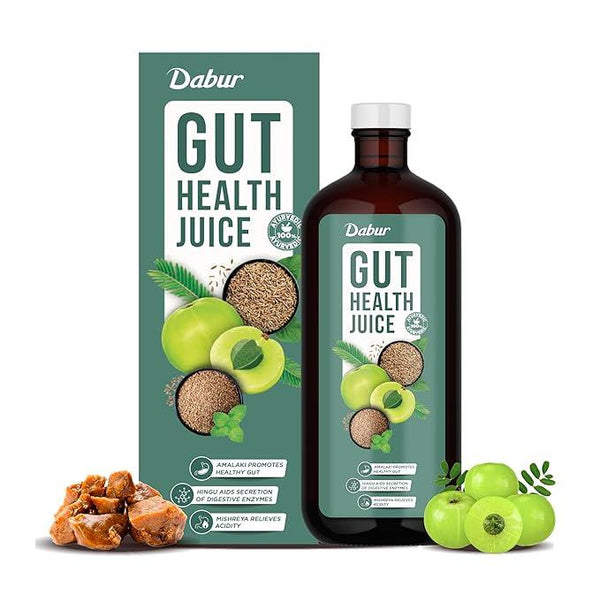
  • Dabur Gut Health Juice Review (2025): Benefits, Ingredients, Price & Best Buying Options

    Gut health is no longer just a wellness trend—it’s the foundation of your overall health. From digestion to immunity, a healthy gut ensures that your body functions smoothly. With today’s fast-paced lifestyle and food habits, issues like bloating, acidity, constipation, and irregular digestion have become common.

    To address this, Dabur—a 138-year-old trusted name in Ayurveda—has launched its Gut Health Juice (1L). Marketed as a natural Ayurvedic solution for digestive care, this juice combines 12 powerful herbs known for centuries to support the stomach and intestines.

    But is Dabur Gut Health Juice worth buying? Let’s dive into a detailed review with benefits, ingredients, usage, real user feedback, pros & cons, and where to buy it safely.


    What is Dabur Gut Health Juice?

    Dabur Gut Health Juice is a natural herbal formulation designed to:

    • Relieve indigestion, bloating, and gas
    • Support better bowel movements
    • Improve gut environment for long-term wellness
    • Provide Ayurvedic digestive care without chemicals

    Each 1L bottle is created using a water-based extraction method, which helps preserve the natural active compounds of herbs without artificial additives.


    Key Ingredients & Their Digestive Benefits

    Here’s a quick look at the 12 Ayurvedic herbs that make this juice unique:

    • Amla (Indian Gooseberry): Rich in Vitamin C, aids digestion, reduces acidity
    • Ajwain (Carom Seeds): Excellent for gas, bloating & stomach cramps
    • Sunthi (Dry Ginger): Boosts digestive fire, reduces nausea & heaviness
    • Saunf (Fennel Seeds): Improves digestion, freshens breath, reduces acidity
    • Hing (Asafoetida): Known for strong anti-gas and anti-bloating properties
    • Jeera (Cumin Seeds): Enhances enzyme activity, reduces indigestion
    • Harad (Terminalia Chebula): Mild laxative, helps bowel regularity
    • Bael, Pudina, and other herbs: Promote gut cleansing & cooling

    Together, this blend provides a 360° digestive support.


    Benefits of Dabur Gut Health Juice

    1. Relieves Gas & Bloating – Herbs like ajwain, hing, and saunf reduce trapped gas and heaviness.
    2. Improves Digestion – Sunthi and jeera boost enzymatic activity for smoother digestion.
    3. Supports Regular Bowel Movements – Harad acts as a natural laxative for better gut cleansing.
    4. Boosts Gut Immunity – Amla adds antioxidant power to strengthen your digestive health.
    5. Safe for Daily Use – With no artificial colors or flavors, it’s suitable for regular consumption.

    How to Use Dabur Gut Health Juice

    • Dosage: 15–30 ml once or twice daily, diluted in lukewarm water
    • Best Time: Before meals or after heavy food intake
    • Consistency: Use daily for 2–3 weeks for noticeable results
    • Caution: Pregnant/lactating women, or people with medical conditions should consult a doctor

    Real User Feedback (Amazon & Flipkart Reviews)

    • ⭐⭐⭐⭐⭐ “Plays a fantastic role in my life, helps with indigestion and acidity.”
    • ⭐⭐⭐⭐ “Good product, improves digestion, removes gastric issues.”
    • ⭐⭐⭐⭐ “Taste is strong but effective for bloating and gas.”

    While most reviews are positive, a few mention the taste may be bitter—a common trait of Ayurvedic formulations.


    Pros & Cons

    ProsCons
    Natural 12-herb Ayurvedic blendTaste may feel bitter/herbal
    Helps relieve gas, bloating, acidityLimited scientific studies
    No artificial colors or flavorsNot an instant cure
    Trusted Dabur brandMay not suit everyone
    Suitable for daily useMedical advice needed in chronic cases

    Comparison: Dabur Gut Health Juice vs Other Digestive Aids

    FeatureDabur Gut JuiceProbiotic SupplementsOTC Antacids
    BaseHerbal (12 herbs)Bacteria strainsChemicals
    UseGas, bloating, digestionGut flora balanceAcid reflux relief
    Daily UseYesYesNot recommended long-term
    SafetyNatural & gentleSafe but expensiveLong-term side effects

    Where to Buy Dabur Gut Health Juice

    ⚠️ Important: To avoid duplicate/fake products, always buy from official or trusted sources.

    👉 Amazon LinkBuy on Amazon
    👉 Dabur Official Shop LinkBuy from Dabur Shop

    💡 Tip: Buying directly from Dabur Shop ensures authenticity and fresh stock.


    Frequently Asked Questions (FAQs)

    1. Can I take it daily?
    Yes, it is safe for daily consumption in recommended doses.

    2. How soon will I see results?
    Mild relief can be felt in a few days, but best results come with 2–3 weeks of consistent use.

    3. Is it safe for children?
    Not recommended without pediatric consultation.

    4. Can it cure chronic stomach disorders?
    No, it’s a supportive remedy for mild issues, not a cure for medical diseases.


    Final Verdict

    Dabur Gut Health Juice is a gentle, Ayurvedic solution for those struggling with bloating, indigestion, or irregular digestion. Backed by traditional herbs and the trust of Dabur, it can be a valuable addition to your daily health routine.

    If you prefer natural digestive care over chemical medicines, this juice is worth a try—just make sure to buy it from trusted sources like Amazon or Dabur’s official store.

    👉 Buy on Amazon | Buy from Dabur Shop


    Disclaimer

    Some of the links in this post are affiliate links. If you purchase through them, I may earn a small commission at no extra cost to you. This helps support my work and allows me to keep providing useful reviews.This content is for educational purposes only. It is not medical advice. Always consult your doctor before starting any new supplement, especially if you are pregnant, nursing, or under treatment for health conditions.


  • “Diwali Gift” from Government: 3% DA Hike for Central Employees 2025

    In an eagerly awaited announcement ahead of Diwali, the Union Cabinet has approved a 3% increase in Dearness Allowance (DA) and Dearness Relief (DR) for central government employees and pensioners. This decision, effective retroactively from July 1, 2025, is being seen as a “festival gift” by many. Let’s explore the full picture: what this means for employees, how the numbers work out, the economic implications, and reactions from stakeholders.


    What Has Changed: Key Highlights

    • The DA/DR rate has been raised by 3 percentage points, from 55% to 58% of basic pay/pension.
    • Approximately 49.19 lakh central employees and 68.72 lakh pensioners will benefit from this hike.
    • The estimated financial burden on the exchequer due to this raise is ₹10,083.96 crore annually.
    • The increase is retroactive: arrears for July, August, and September 2025 will likely be paid with October salaries/pensions.

    These changes follow the accepted formula under the 7th Central Pay Commission, which links the DA/DR modifications to inflation indices.


    Why the Timing and Messaging Matter

    Festive Timing & Optics

    Announcing this increase ahead of Diwali carries symbolic weight. It aligns with a pattern in recent years where governments often unveil such allowances near large festivals, making it feel like an economic relief for households during high expenditure periods.

    Political Significance

    Given the large voter base of central employees and pensioners, a well-timed DA hike also sends a positive signal to public sector workers. It helps curb rising discontent over cost of living pressures.

    Inflation Buffer

    With inflation persistently on the minds of citizens, regular revision of DA helps protect government employees and pensioners against erosion of purchasing power. This hike will offset some of the impact of recent inflation spikes.


    Detailed Breakdown: How Much More Will Employees Get?

    Let’s look at how this will affect real salaries and pensions with a few examples.

    Basic Salary / PensionOld DA (55%)New DA (58%)Monthly DA IncreaseAnnual Increment from DA
    ₹18,000₹9,900₹10,440+₹540+₹6,480
    ₹25,600₹14,080₹14,848+₹768+₹9,216
    ₹35,400₹19,470₹20,532+₹1,062+₹12,744
    Pension ₹12,000₹6,600₹6,960+₹360+₹4,320

    Note: These illustrative numbers show only the DA portion; other allowances like HRA, TA etc., may also scale accordingly with this hike.


    Financial and Budgetary Implications

    • The government must find space in its budget to accommodate an additional ₹10,084 crore per year in recurring expenditure.
    • Central financial planners will need to balance these increased obligations with other priorities like infrastructure, defence, and subsidies.
    • The move could pressure the fiscal deficit, especially if revenue growth lags.

    However, this increase is not unexpected: DA revisions are a regular feature, and governments typically plan for them when preparing budgets.


    Reactions and Responses

    From Employees & Pensioners

    Many have welcomed the decision as overdue and necessary amid rising prices of everyday goods. News of arrears will especially be welcomed, since getting back-dated payments helps households manage festival expenses.

    Labor Unions & Associations

    Employee groups had been pressing for early DA revision and timely payment of arrears. Some unions expressed relief that the Cabinet acted now, though others had hoped for a larger increase.

    Economists & Analysts

    Commentators point out that while the DA hike provides immediate relief, it is modest given the inflation pressures. They also note that it increases the recurring wage burden on the state, constraining budget flexibility.


    How This Fits Into DA History & Pay Commissions

    • DA and DR revisions occur twice a year (January and July) based on the Consumer Price Index for Industrial Workers (CPI-IW).
    • This 3% hike is in line with past practices. Earlier in 2025, the government had already increased DA by 2% (effective January 1, 2025), raising it from 53% to 55%.
    • The framework for DA revision is entrenched in recommendations of the 7th Central Pay Commission. The next revision under the 8th Pay Commission is expected in future years, possibly starting January 2026.

    So this hike is part of a predictable pattern, although delayed announcements sometimes cause concerns.


    What Employees Should Do

    1. Review your payslip carefully once the revised DA is applied to confirm the correct percentage.
    2. Check whether arrears for July-September 2025 are included in the October salary.
    3. Track whether corresponding allowances (like HRA, TA) adjust in proportion.
    4. Monitor announcements from your department or finance ministry for official orders and clarifications.

    Potential Challenges & Critiques

    • Delayed Notification: Some employees voiced frustration at delays in announcing the hike, which historically is done by late September.
    • Insufficient Relief: With inflation high, a 3% increase may not fully compensate for past price rises.
    • Fiscal Strain: The recurring cost may limit the government’s ability to increase capital expenditure or support other welfare schemes in the future.

    Conclusion

    The recent 3% DA/DR increase is a meaningful move by the government to address cost of living pressures for central employees and pensioners. Though not dramatic, it provides concrete financial relief—especially with arrears being backdated. The timing ahead of Diwali adds symbolic value, and the steady formulaic approach ensures predictability. Still, the hike is modest in the face of inflation, and the long-term budgetary impact cannot be ignored.

    For central employees, this decision will be welcomed, but it also underscores the importance of future reforms in pay structure, allowances, and indexing to inflation.


    Disclaimer

    This article is for informational purposes only and should not be considered legal, financial, or policy advice.


  • Accenture CEO Julie Sweet on H-1B Visa Fee: Why It’s “Really a Non-Issue”

    The recent announcement of the new $100,000 H-1B visa fee has triggered waves of discussion across the global IT and outsourcing industry. While many companies expressed concern over cost pressures, Julie Sweet, CEO of Accenture, delivered a bold perspective: she called the visa fee “really a non-issue” for her company.

    Her statement, made during an earnings call, has sparked interest worldwide. It reveals not only Accenture’s resilience but also the structural differences between large consultancies and smaller IT firms that rely heavily on H-1B talent for U.S. projects.

    In this blog, we’ll explore what Julie Sweet’s comments mean, how Accenture is positioned differently, the broader impact of the visa changes, and what this tells us about the future of global workforce mobility.


    What Julie Sweet Said

    Julie Sweet highlighted that only about 5% of Accenture’s U.S. workforce holds H-1B visas, which are primarily used for specialized, high-skill roles. With such limited exposure, the fee hike does not significantly affect operations.

    She further explained that policy shifts can actually create opportunities. When regulations change, businesses turn to consulting firms like Accenture for strategy, compliance, and transformation support. In other words, what disrupts others can become an advisory opportunity for Accenture.


    Why Accenture Considers It a Non-Issue

    Let’s break down the reasoning:

    • Low Dependency on H-1B Workers: With only ~5% of its U.S. employees on visas, the overall cost burden is negligible compared to total staffing.
    • Global Workforce Structure: Accenture operates with a vast network of global delivery centers, meaning it doesn’t rely heavily on moving talent across borders.
    • Business Model Resilience: Instead of selling pure manpower, Accenture provides end-to-end consulting, technology, and strategy solutions, reducing reliance on cost-sensitive staffing models.
    • Opportunity from Disruption: Regulatory shifts create demand for consulting projects — positioning Accenture as a problem solver rather than a victim of policy change.

    How Other Firms May Be Affected

    While Accenture appears insulated, many IT and outsourcing companies see this fee as a serious challenge.

    • Mid-tier IT Service Providers: Companies with heavy reliance on H-1B workers for U.S. contracts will face significant cost escalations.
    • Startups and Smaller Firms: The fee could make it prohibitive to transfer specialized staff to U.S. projects, forcing reliance on local hires or offshore delivery.
    • Global Talent Strategy: Firms may re-evaluate how they distribute teams, investing more in Global Capability Centers (GCCs) in India, Eastern Europe, and Southeast Asia.

    Comparative View: Accenture vs Industry

    AspectAccenture’s PositionIndustry Average Impact
    H-1B Dependency~5% of U.S. workforce on H-1B visas30–50% of workforce in some IT firms
    Absorption of $100K FeeNegligible due to scale and diversificationHigh — may significantly hit project margins
    Business ModelConsulting + strategy + digital transformationLargely staff augmentation and project outsourcing
    Reaction to Policy ChangeSees opportunity in disruptionSees higher compliance cost and delivery challenges

    Key Takeaways for India’s IT Industry

    India’s IT sector has long depended on H-1B visas to serve clients in the U.S., its largest export market. With the new fee:

    • Increased Offshoring: Work will be done from India and other offshore locations rather than sending staff abroad.
    • Shift Toward Local Hiring: Companies may hire more U.S. locals to avoid visa costs, though this could raise wages.
    • Margin Pressures: Smaller players may find it hard to absorb fees without impacting profitability.
    • Rise of Remote Models: Digital collaboration tools may further reduce the need for cross-border movement.

    Accenture’s Strategic Advantage

    Accenture’s position reflects its strategic insulation from visa risks:

    1. Global Presence – Offices in more than 200 cities worldwide help distribute workload efficiently.
    2. Diversified Workforce – Unlike firms that rely primarily on Indian engineers, Accenture draws talent from multiple markets.
    3. Focus on Innovation – Investments in AI, cloud, and cybersecurity mean less dependence on cost arbitrage.
    4. Consulting-Driven Revenue – While staffing models are exposed to visa shocks, consulting models thrive during policy changes.

    Risks in Downplaying the Issue

    Although Accenture may be shielded, critics warn that downplaying visa challenges could:

    • Alienate smaller industry peers who genuinely struggle.
    • Overlook the fact that even a small percentage of specialized visa workers can be critical for certain projects.
    • Risk public perception of being dismissive in a politically charged environment.

    Looking Ahead

    The new H-1B visa fee is part of a broader wave of global regulatory tightening, where nations prioritize local jobs and restrict immigration pathways. For Accenture, this might be a manageable ripple. For others, it’s a storm.

    The future may bring:

    • Hybrid Talent Strategies: A mix of onshore, nearshore, and offshore teams to balance costs.
    • Investments in Automation: Reducing reliance on human mobility by increasing digital workforce solutions.
    • Policy Adaptation Services: Consulting firms gaining new projects from companies struggling with compliance.

    Conclusion

    Julie Sweet’s declaration that the H-1B visa fee is a “non-issue” highlights Accenture’s unique resilience in the global IT landscape. With low dependency on visas, a diversified business model, and opportunities arising from regulatory changes, Accenture can afford to be confident.

    However, the larger outsourcing industry cannot share the same optimism. For many firms, the $100,000 visa fee is a real challenge that will reshape strategies, workforce planning, and profitability.

    Ultimately, Accenture’s stance reflects the growing divide between consulting giants and traditional outsourcing firms. While one sees opportunity, the other braces for impact.


    Disclaimer

    This article is for informational purposes only. It is not intended as business, legal, or immigration advice. Readers are encouraged to analyze official updates and consult professionals before making decisions.


  • Dabur Ashwagandha Capsules: A Comprehensive Review of Nature’s Stress Buster

    In today’s fast-paced world, stress has become a constant companion for many. The relentless pace of work, coupled with personal challenges, often leads to fatigue, anxiety, and a general sense of being overwhelmed. Amidst this, natural remedies have gained popularity for their holistic approach to wellness. One such remedy is the Dabur Ashwagandha Capsules, an Ayurvedic supplement designed to combat stress and enhance overall vitality. But does it live up to its promises? Let’s delve deeper.


    Product Overview

    Product Name: Dabur Ashwagandha Capsules
    Brand: Dabur
    Quantity: Available in various pack sizes
    Price: ₹120 (for a pack of 20 capsules)

    Offer Price: ₹105
    Availability: Dabur Official Website


    Key Ingredients and Their Benefits

    • Ashwagandha (Withania somnifera):
      Known as “Indian Ginseng,” Ashwagandha is a revered herb in Ayurvedic medicine. It is celebrated for its adaptogenic properties, helping the body adapt to stress and restore balance. Regular consumption may lead to reduced cortisol levels, improved sleep quality, and enhanced energy levels.

    Health Benefits

    • Stress Reduction:
      Ashwagandha is renowned for its ability to lower cortisol levels, the body’s primary stress hormone. By modulating the hypothalamic-pituitary-adrenal (HPA) axis, it helps in reducing stress and anxiety. Medical News Today
    • Enhanced Energy and Stamina:
      Regular intake of Ashwagandha has been linked to increased energy levels and improved stamina, making it beneficial for those experiencing fatigue. Medical News Today
    • Improved Sleep Quality:
      Due to its calming effects, Ashwagandha may promote better sleep patterns, aiding those struggling with insomnia. Medical News Today
    • Cognitive Support:
      Some studies suggest that Ashwagandha can enhance cognitive functions, including memory and concentration. Medical News Today

    User Reviews

    Positive Feedback:

    • Ganpat Jha (Jaipur):
      “Nice product. I recommend it for sugar patients. I take it twice a day; it’s really effective for my sugar level.”
    • Someswara Babu Jangam (Vijayawada):
      “My wife’s sugar levels started becoming normal a week after using this product. Thank you, Dabur.”

    Negative Feedback:

    • Needs to be consumed regularly for best results

    Pros and Cons

    ProsCons
    Natural Ayurvedic ingredientsSlightly bitter taste
    Helps in blood sugar regulationNeeds to be consumed regularly for best results
    Boosts immunity and digestive healthNot suitable for individuals allergic to any of the ingredients
    Supports skin health

    Usage Instructions

    • Dosage: 10-20 ml twice a day.
    • Consumption: Can be consumed directly or mixed with water.
    • Storage: Store in a cool, dry place away from direct sunlight.

    Pricing and Availability

    The Dabur Ashwagandha Capsules are available for purchase on various platforms:


    Conclusion

    The Dabur Ashwagandha Capsules offer a natural approach to managing stress, enhancing energy levels, and supporting overall well-being. With its blend of Ayurvedic ingredients and the trusted Dabur brand, it stands out as a reliable supplement for those seeking holistic health solutions.


    Disclaimer

    The information provided in this article is for informational purposes only and is not intended as medical advice. Always consult with a healthcare professional before starting any new supplement or treatment.Some of the links in this article are referral links, which means I may earn a small commission if you make a purchase through these links, at no extra cost to you. This helps support the website and allows us to continue providing useful content.